Ethics · Government · Labor·February 24, 2026
OPM Schedule F rule removes civil service protections from thousands of federal employees, allowing at-will termination
Schedule Policy/Career takes effect March 8, making policy-role employees fireable at will

Photo: Al Drago / Reuters
OPM published the final Schedule Policy/Career rule on Feb. 6, 2026. It takes effect March 8. The rule establishes a new employment category within the federal government's excepted service for workers in 'policy-influencing' roles, stripping them of longstanding and making them at-will employees.
OPM estimates approximately 50,000 federal employees will be affected. Reclassified workers lose the right to appeal suspensions, demotions, or firings to the . They also lose access to pay incentives, student loan repayment benefits, and Presidential Rank Awards.
The rule received over 40,500 public comments during a 45-day comment period. About 94% opposed the rule. OPM's final rule, more than 250 pages long, addressed thousands of comments from unions, nonprofits, Democratic lawmakers, and individual federal employees who said it would politicize the civil service.
OPM Director Scott Kupor told reporters the rule is not about political appointments or loyalty tests and that agencies are 'inundated' with misconduct and poor performance by civil servants that can't be addressed under current rules. 'You can't run an organization if people are refusing to carry out lawful objectives,' he said.
The rule also changes how whistleblower retaliation complaints are investigated. Under the new rule, individual agencies will set up their own internal investigation processes — replacing the independent , which has historically handled those complaints. Critics say this eliminates the independence that gave whistleblower protections meaning.
Schedule Policy/Career won't automatically convert any positions. Agencies have 30 days to compile lists of qualifying roles, which go to OPM, which sends recommendations to the president. Trump will issue a new executive order formally reclassifying the approved positions. OPM told agencies not to wait for the executive order to begin preparing internal policies.
Congress can block Schedule Policy/Career through a resolution, which requires a simple majority in both chambers. AFGE, Democracy Forward, and other organizations have filed or announced lawsuits. The Biden administration's April 2024 regulations that specifically protected career employees from reclassification were also rescinded by OPM's final rule.
Related Topics
6
State Dept. refuses to rescind 250 Foreign Service layoffs
Trump admin says court order only delays foreign service layoffs, doesn't reverse them
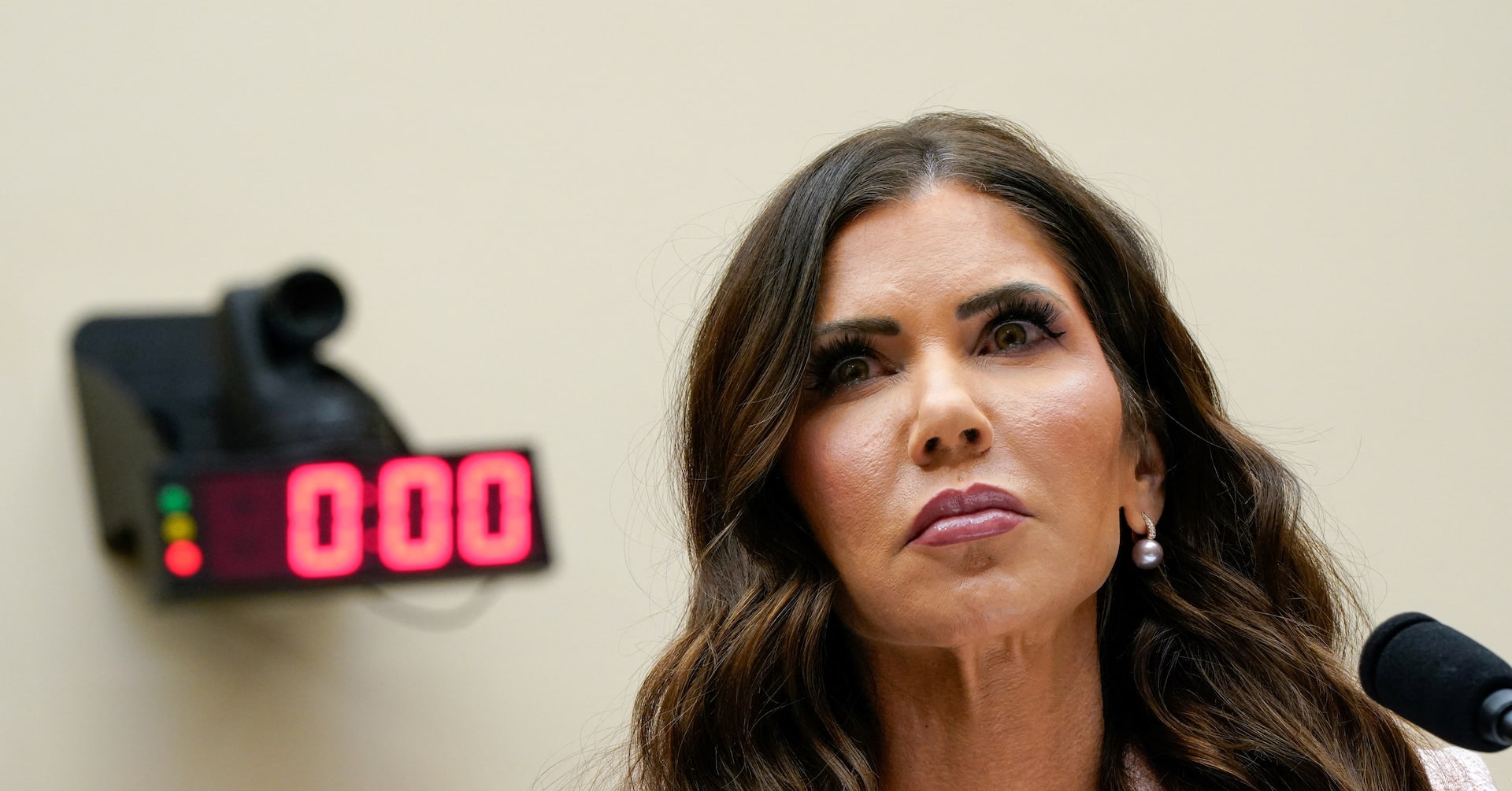
Trump fires Noem after she testifies he approved $220M ad campaign, contradicting his public denial
Noem is the first Cabinet secretary fired in Trump's second term, Mullin confirmation opens Oklahoma Senate seat
Trump plans mass federal layoffs during shutdown
Trump eyes 16,000 firings, targets 'Democrat Agencies'
🏢
OPM data shows federal exodus undermines Schedule F implementation
Buyouts, retirements undercut Trump’s plan to slash federal workforce

They all promised no regime change in Iran. The record says otherwise
Trump, Vance, Hegseth, Rubio said it. Greene and Carlson documented the betrayal

Full D.C. Circuit grills Trump lawyers on dismantling consumer protection agency
Judges press administration on limits of presidential power over Congress-created agencies
30 questions
Start the review