January 13, 2026
Supreme Court hears transgender athlete ban challenges

Court weighs Equal Protection versus state authority over school sports
👨⚖️Judicial Review✊Civil Rights📜Constitutional Law
January 13, 2026
Court weighs Equal Protection versus state authority over school sports
The Supreme Court heard oral arguments on Tuesday, Jan. 13, 2026, in two consolidated cases challenging state laws that ban transgender women and girls from competing on female school sports teams
The cases are Little v
Hecox (challenging Idaho's law) and West Virginia v B.P.J. (challenging West Virginia's ban).
During arguments, the Supreme Court's conservative majority appeared likely to uphold the state bans, with at least five justices signaling skepticism toward the constitutional challenges. This suggests the Court may rule that states can prohibit transgender athletes from teams aligning with their gender identity without violating federal law.
Challengers argued the bans violate the 14th Amendment's Equal Protection Clause by discriminating based on transgender status and sex stereotypes, and violate Title IX, the federal law prohibiting sex discrimination in education. Lower courts had ruled these bans unconstitutional under both provisions.
States defended the laws by arguing they are based on biological sex differences rather than transgender identity, and are necessary to preserve equal athletic opportunities for cisgender women and girls. State attorneys claimed the bans protect fairness and safety in women's sports by maintaining sex-based eligibility criteria.
The Idaho case involves Lindsay Hecox, a transgender woman who challenged the state's ban on her participation in college athletics. The West Virginia case involves B.P.J., a transgender high school student whose mother sued after her daughter was barred from the girls' track team. Both challengers experienced direct harm from the exclusionary policies.
Twenty-seven other states beyond Idaho and West Virginia have enacted similar bans on transgender athletes in school sports. The Supreme Court's ruling will establish nationwide precedent affecting these laws and potentially hundreds of transgender student-athletes across the country. The Court is expected to issue its decision by Jun. 2026.
As of Dec. 2024, the NCAA reported fewer than 10 transgender athletes were competing in college sports nationwide. Despite the small numbers, the issue has become a major political flashpoint, with Republican-led states enacting bans as part of broader efforts to restrict transgender rights in education, healthcare, and public life.
The Supreme Court decisions in these cases are expected in late June 2026.
West Virginia has only one transgender girl competing in school sports statewide.
Idaho was the first state to enact a law banning transgender athletes.
How long did the Supreme Court oral arguments last on Jan. 13, 2026?
How many states have enacted laws restricting transgender athletes as of Jan. 2026?
Upgrade to Premium to access all practice questions and unlock advanced quiz features.
Upgrade to PremiumThese questions are part of the Supreme Court hears transgender athlete ban challenges topic. Master this topic by completing the quiz or exploring each question in detail.
Take the full quiz to master this topic and track your progress.
Start QuizAssociate Justice, U.S. Supreme Court
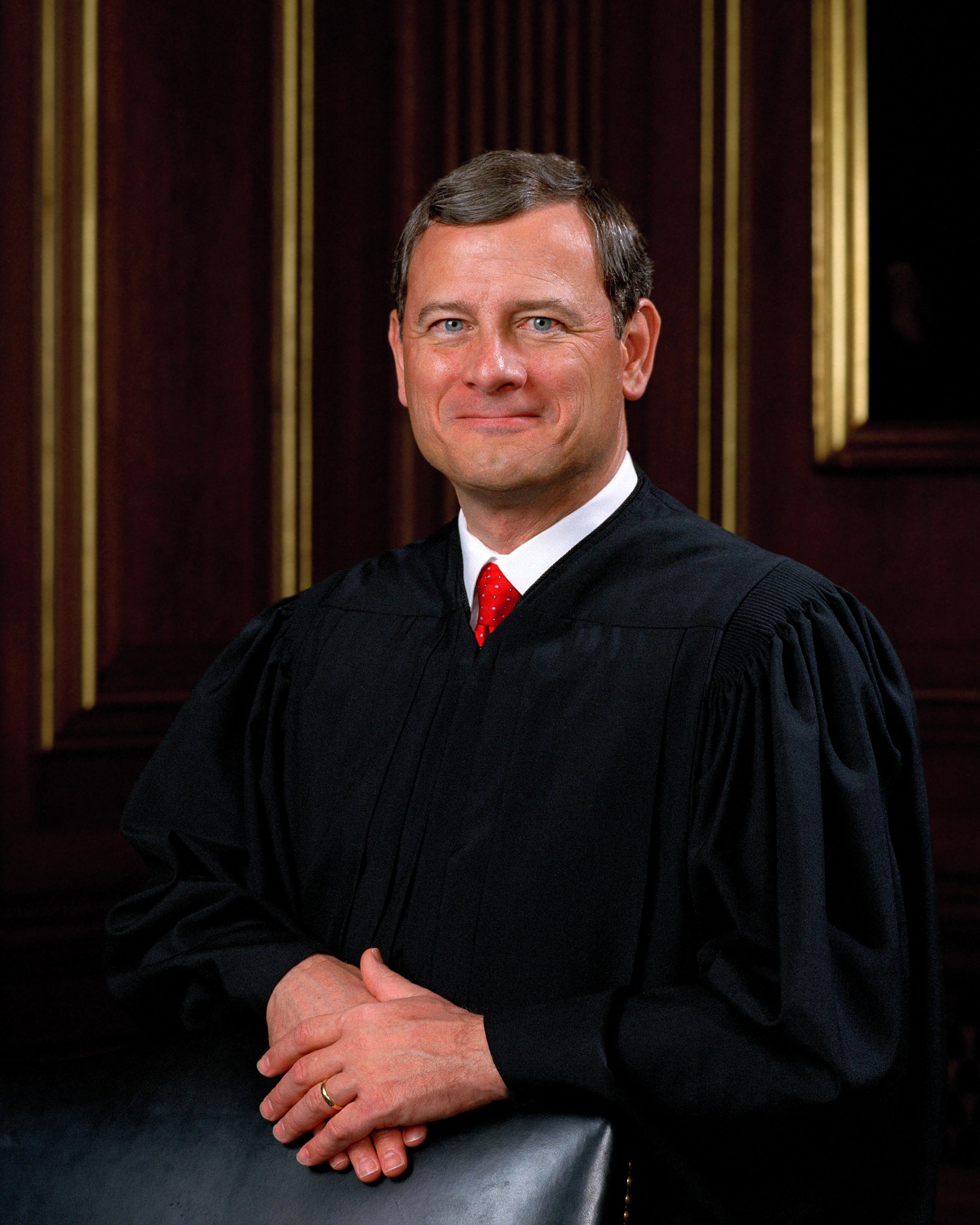
Chief Justice, U.S. Supreme Court
Associate Justice, U.S. Supreme Court
ACLU Attorney
Idaho Solicitor General
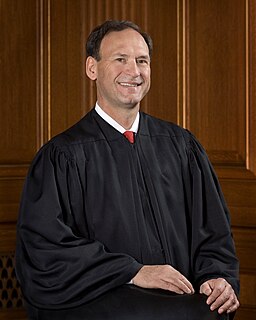
Associate Justice, U.S. Supreme Court
Plaintiff, Idaho Case
Plaintiff, West Virginia Case (Minor, Name Sealed)
understanding
Read the oral argument transcripts to understand competing constitutional arguments
The Supreme Court publishes full oral argument transcripts within hours. Reading them helps citizens understand the legal reasoning and predict outcomes.
civic action
Submit amicus brief supporting transgender student athletes' Equal Protection arguments
Civil rights organizations, medical associations, and educational groups can file friend-of-the-court briefs before the Court's Mar. 2026 deadline.
Organizations interested in filing amicus briefs should:
Key legal arguments to support:
Evidence to cite:
Filing deadline: Amicus briefs due 7 days after respondent's brief (typically Mar. 2026).
Contact the Supreme Court Clerk for specific filing procedures and deadlines.
civic action
Contact state education departments to advocate for inclusive sports policies
State education agencies and athletic associations set policies for school sports. Citizen advocacy can influence these policies regardless of Court ruling.
When contacting state education officials:
Key points to make:
Ask about:
Request: Adopt policies allowing transgender students to participate consistent with their gender identity after appropriate medical evaluation.
Provide your contact information for follow-up.