June 23, 2022
Supreme Court rewrites gun regulation test
Bruen ruling applies history test, complicates modern gun regulations
📜Constitutional Law🎓Education
June 23, 2022
Bruen ruling applies history test, complicates modern gun regulations
 James Madison drafted the Second Amendment in 1789 after Anti‑Federalists like
  Patrick Henry demanded explicit limits on federal power.
The first major judicial twist came in United States v. Miller in 1939, when the Court narrowed militia‑based protections into a regulatory field.
Black Americans during Reconstruction faced disarmament laws and violence that denied them the practical ability to exercise the right.
District of Columbia v. Heller in 2008, written by Justice Antonin Scalia, turned the amendment into a modern individual right.
The pattern repeats: Reconstruction disarmament, Miller's limits, Heller's recognition and Bruen's Jun. 23, 2022 historic‑analogy test.
In Jun. 2024 the Court decided United States v. Rahimi, reshaping how protective orders can remove firearms and changing enforcement tools.
Today conservative judges, state attorneys general and gun manufacturers often win expanded access while survivors of abuse and urban communities lose.
The next big fights are already live: 'sensitive places' rules, parts‑kit regulation, and state nullification laws moving through appeals.
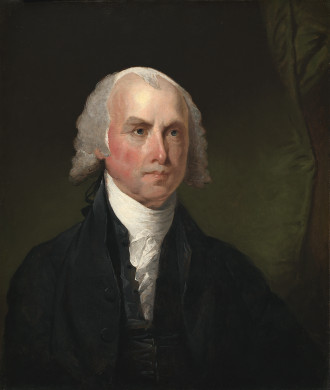
Principal architect of the Bill of Rights

Anti‑Federalist leader
Plaintiff
U.S. Supreme Court justice
U.S. Supreme Court justice
Respondent / defendant
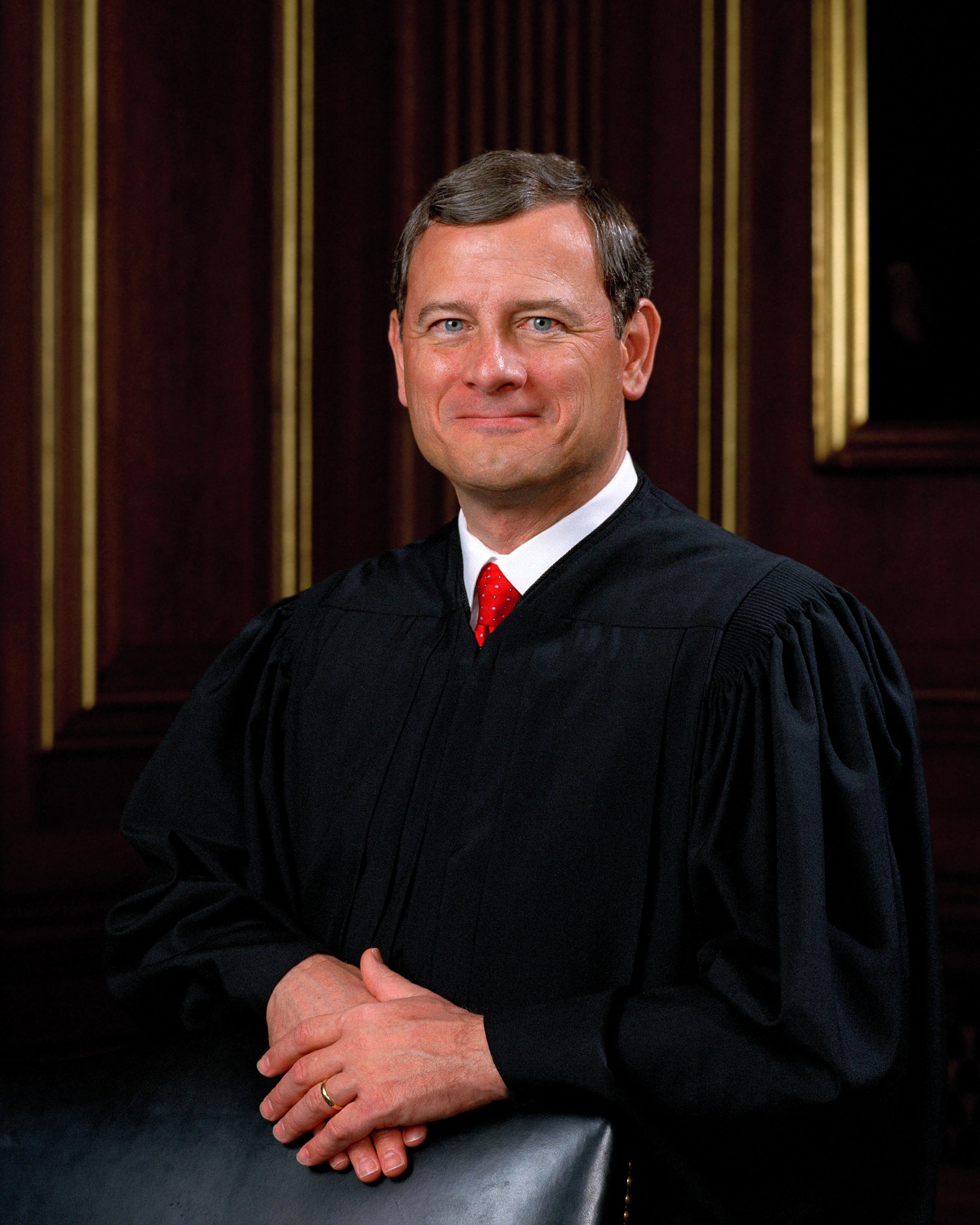
Chief Justice of the United States
Gun rights advocacy group
Gun violence prevention organizations
Firearms manufacturer