National SecurityConstitutional LawGovernmentLegislative Process
April 23, 2026Senate blocks Iran war powers for fifth time, May 1 deadline looms
Republicans have defeated five attempts to reassert Congress's war powers over Iran

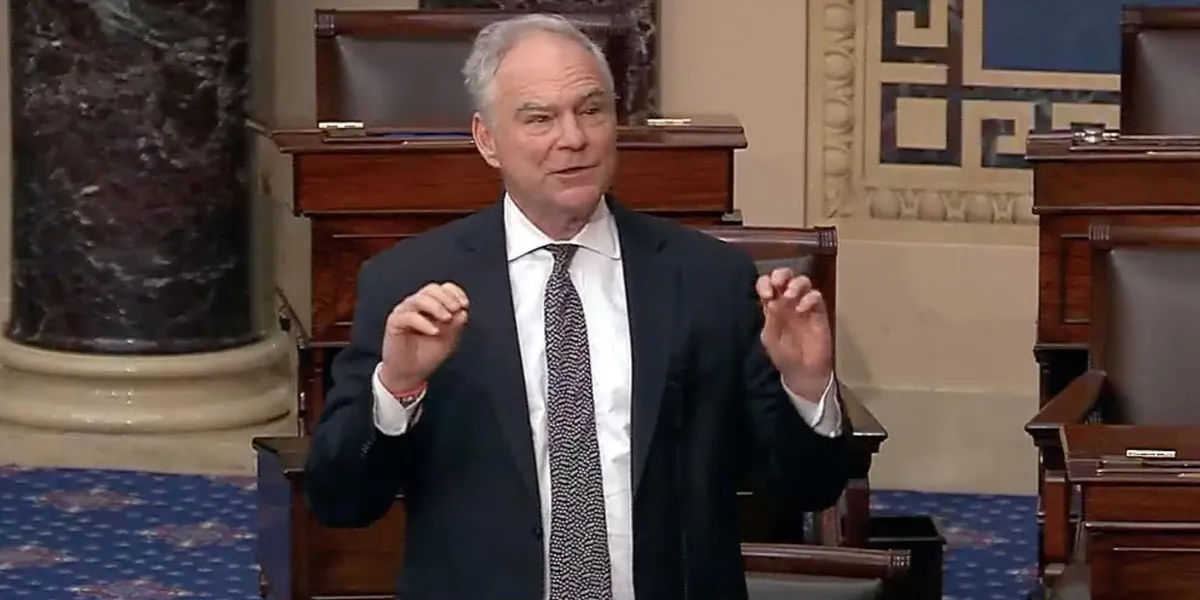
Photo: Cliff Owen/AP
Senate Republicans tabled a Democratic-sponsored on April 23, 2026, defeating it 47-52. The resolution would have required President Trump to end military operations against Iran within 30 days. It marked the fifth consecutive defeat of a measure in the Senate since Operation Epic Fury began on February 28, 2026.
Sen. Rand Paul (R-KY) was the only Republican to vote with Democrats. Sen. John Fetterman (D-PA) was the only Democrat to vote against the resolution. Every other senator voted along strict party lines.
The requires a president to notify Congress within 48 hours of committing U.S. forces to armed conflict. Congress then has 60 days to authorize the action or the president must begin withdrawal. Trump notified Congress on February 28, placing the deadline around May 1.
If Congress does not authorize the conflict by May 1, Trump faces two options. He can certify in writing that 30 additional days are necessary for an orderly withdrawal. Or he can seek a formal .
Senate Minority Leader Chuck Schumer (D-NY) pledged after the vote to force additional floor votes before May 1. His office said six more resolutions are ready for introduction. Schumer argued that continued operations without authorization set a precedent that any future president could wage indefinite war without a congressional vote.
Sen. Tammy Baldwin (D-WI), who sponsored the resolution, drew parallels to the Iraq War during floor debate. She argued Trump had campaigned against new foreign wars and that the conflict bore hallmarks of a sustained military campaign.
Trump extended a ceasefire with Iran indefinitely on April 22, 2026, while maintaining a naval blockade of Iranian ports. The IRGC seized two vessels in the Strait of Hormuz on April 22 in what it described as a policing action. Iran says the blockade violates the ceasefire terms.
Some Republican senators who privately oppose open-ended military commitments have declined to vote for war powers resolutions, arguing it would undermine Trump's negotiating position. Democrats say that argument has no basis in the War Powers Resolution's text.
Related Topics
6
Senate blocks Iran war powers resolution for fourth time in 47-52 vote
Democrats pledge weekly war powers votes as Senate continues authorizing undeclared war

Representative Chris Smith blocks Democrats' Iran war powers resolution in pro forma session
House Republican ended session before Democrats could vote to end U.S. attacks on Iran

The sixty-day clock on Iran strikes just ran out. Congress can't stop it.
The sixty-day deadline under the War Powers Resolution passed May 1 with no congressional authorization in place. The Senate voted for the sixth time to end the strikes. The House hasn't moved.
Senate rejects Iran war powers resolution 47-53
Eight failed votes leave Trump''s Iran war legally unchecked as April deadline nears

House GOP cancels Iran war powers vote, shielding Trump from rebuke
Speaker Johnson canceled a vote Democrats had enough to win
🗳️
House GOP blocks Iran war powers vote during pro forma session
GOP pro tempore gavels out before Ivey can speak on Iran war powers
20 questions
Start the review