Donald Trump
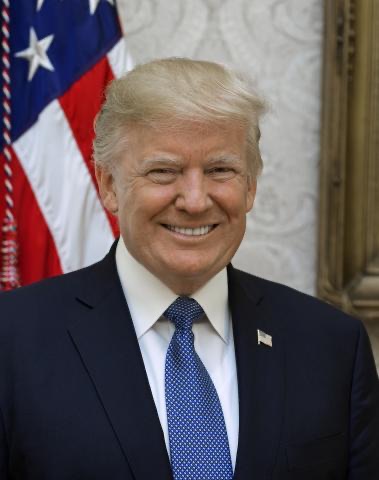
President of the United States
Launched the war without consulting Congress; notified lawmakers March 2 triggering the War Powers clock; his administration's 'ceasefire pauses the clock' argument is the central legal dispute as the deadline passed
Pete Hegseth
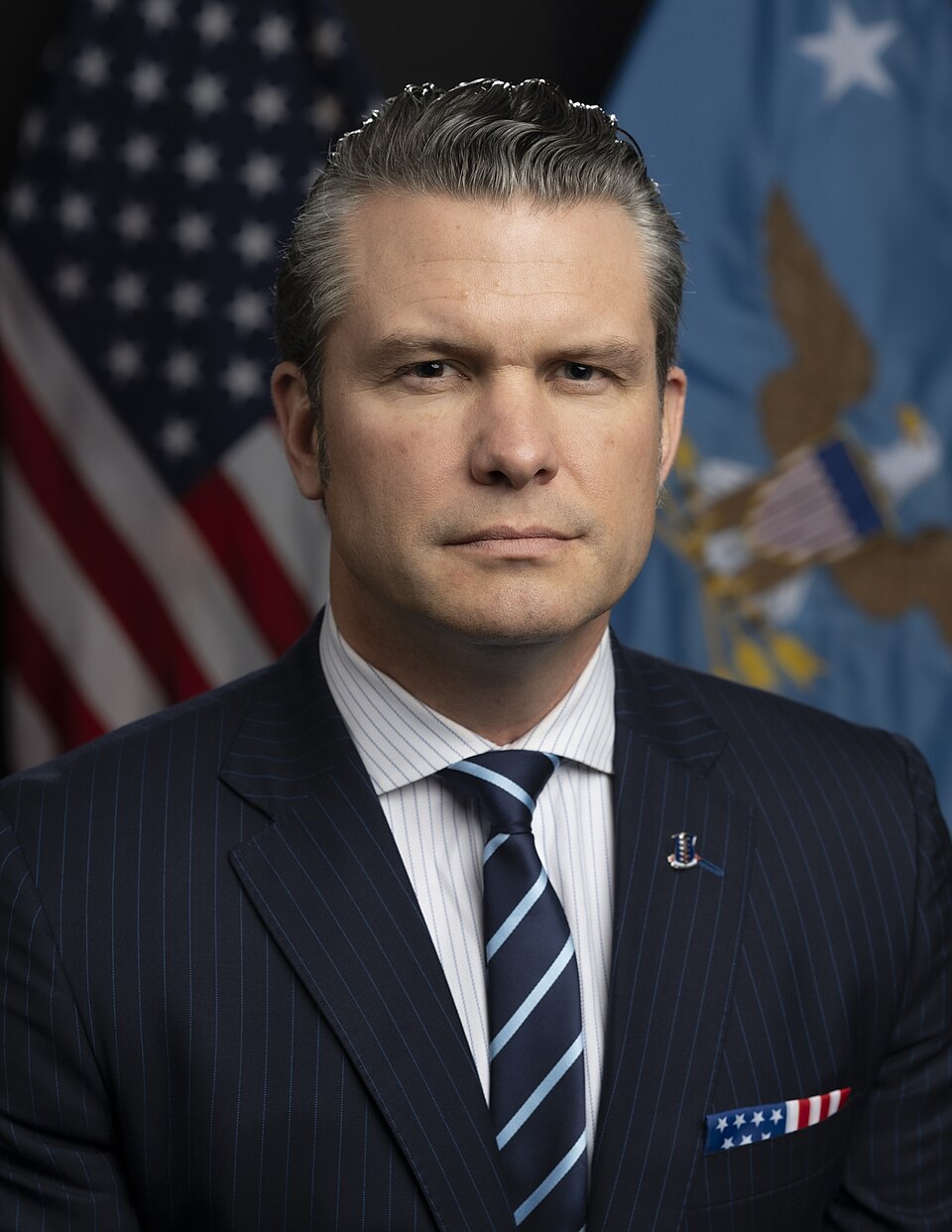
U.S. Secretary of Defense
Provided the administration's central legal argument at a Senate Armed Services hearing on the day of the vote: that the War Powers Resolution clock pauses during a ceasefire, directly contradicting Democratic senators' reading of the statute
Tim Kaine
U.S. Senator (D-VA); primary Senate sponsor of Iran War Powers resolutions
Introduced the first resolution the day after Trump's 48-hour notification period; forced six successive votes using war powers resolutions' special procedural privileges; publicly told Hegseth 'I do not believe the statute would support that'
Adam Schiff
U.S. Senator (D-CA); sponsor of S.J.Res. 184
Sponsored the resolution that triggered the definitive May 1 deadline vote; his bill's 47-50 failure confirmed Congress would not invoke war powers to stop the Iran strikes as the 60-day window closed
Susan Collins
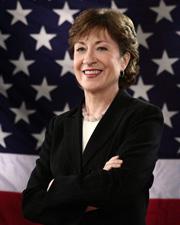
U.S. Senator (R-ME); up for reelection November 2026
Broke with her party for the first time on April 30, citing her own prior statement that '60 days is a trigger that requires Congress to act'; had voted no on all five prior resolutions; her switch came one vote too late to change the outcome
Rand Paul
U.S. Senator (R-KY)
Voted yes on all six war powers resolutions; publicly predicted more Republicans would join at the 60-day mark; his lone GOP dissent throughout the campaign revealed the limits of libertarian-Republican war powers pressure
John Fetterman
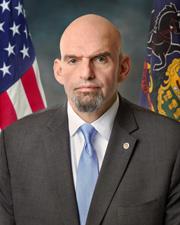
U.S. Senator (D-PA)
Voted no on April 30, breaking with every other Senate Democrat; his defection exactly offset Collins' Republican crossover, keeping the final tally at 47-50
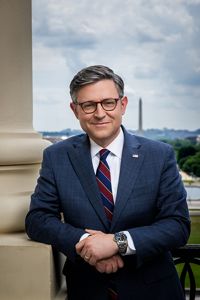
Mike Johnson
Speaker of the U.S. House of Representatives (R-LA)
Blocked floor votes on companion resolutions sponsored by Ro Khanna (D-CA) and Thomas Massie (R-KY), ensuring no War Powers challenge could reach the president's desk even if the Senate had passed one
Chuck Schumer
U.S. Senate Democratic Leader (D-NY)
Used war powers resolutions' special procedural privileges to force six successive votes; publicly documented Collins, Paul, Tillis, and Young's own statements about the significance of the 60-day mark to pressure Republican crossovers
Mitch McConnell
U.S. Senator (R-KY); Chair, Senate Appropriations Defense Subcommittee; former Majority Leader
Gave floor speeches arguing for broad presidential war powers authority early in the campaign; his institutional weight helped hold the Republican caucus together against all six resolutions
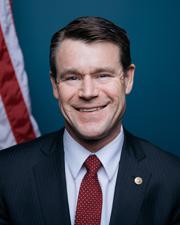
Todd Young
U.S. Senator (R-IN)
Proposed drafting an Authorization for Use of Military Force as a Republican alternative to war powers resolutions; his AUMF route would bypass the War Powers debate entirely but has yet to materialize as legislation