March 7, 2026
Trump launches 17-nation Americas cartel coalition at Doral


Summit hosted at Trump's own resort with Mexico, Canada, and Brazil conspicuously absent
🌍Foreign Policy📜Constitutional Law🛡️National Security
March 7, 2026
Summit hosted at Trump's own resort with Mexico, Canada, and Brazil conspicuously absent
Trump hosted the Shield of the Americas summit at his Trump National Doral Miami resort — a private, for-profit property that he owns — rather than at a government facility, State Department venue, or neutral international location. This is the same resort where Trump has previously proposed hosting the G7 summit. Using a president's personal business as a venue for a multilateral foreign policy event creates a financial arrangement where foreign governments attending the summit — directly or indirectly — contribute to the president's personal revenue. The State Department's ethics guidelines generally prohibit federal employees from using their positions for personal financial benefit, but those rules apply differently to the president.
The 17 nations that attended included El Salvador (President  Nayib Bukele), Argentina (President Javier Milei), Paraguay, Honduras, Panama, Jamaica, Guatemala, the Dominican Republic, Ecuador, Peru, Bolivia, Costa Rica, Haiti, Belize, Suriname, Guyana, and Trinidad and Tobago. The nations absent from the coalition include Mexico — the United States' largest trading partner and the country whose cooperation is most critical for combating cartel activity at the southern border — as well as Canada, Brazil (the hemisphere's second-largest economy), Colombia, and Venezuela. The political pattern of who attended and who didn't closely tracks which governments are currently aligned with Trump and which are not.
Trump's proclamation launched what he called the Americas Counter-Cartel Coalition, framing it as a military alliance against drug trafficking organizations that he has designated as terrorist groups under U.S. law. He said, 'The only way to defeat these enemies is by unleashing the power of our militaries.' The designation of cartels as foreign terrorist organizations — which Trump completed by executive order earlier in his second term — unlocks specific legal authorities under the Authorization for Use of Military Force and the Patriot Act.
Defense Secretary  Pete Hegseth's address to the summit went beyond operational anti-cartel strategy. He told the assembled leaders that the coalition's foundation was shared cultural and religious identity: the participating nations must remain 'Christian nations, under God.' Hegseth's framing explicitly excluded non-Christian nations from the coalition's moral framework and positioned U.S. military alliances as contingent on religious alignment. This is a departure from the traditional U.S. foreign policy position that security partnerships are based on strategic interests and international law, not shared religion.
Trump's Cuba remarks at the summit escalated a pattern of executive threats against Cuba that has been building throughout his second term. He said Cuba is 'at the end of the line' and suggested it has 'no money, no oil, a bad philosophy, and a bad regime.' Cuban President Miguel Díaz-Canel described the summit as 'small, reactionary, and neocolonial.' Before Trump's second term, Cuban officials had signaled openness to dialogue with the United States; those contacts appear to have ended. Trump's Cuba threat at Doral followed his earlier executive order authorizing military force to capture Venezuelan President Nicolás Maduro — a pattern of executive military threats against Latin American governments without congressional authorization.
The Summit of the Americas — which the Shield of the Americas effectively replaced — was created in 1994 by President Bill Clinton and has been held 10 times, convening all 35 nations of the Western Hemisphere except Cuba. Richard Feinberg, a former Clinton NSC official who helped design the original summit, told France 24 that Trump's version represented 'crouched defensiveness' compared to the 1994 summit's expansive vision of hemispheric partnership. The replacement of a 34-nation inclusive forum with a 17-nation ideologically filtered coalition reflects a fundamental reorientation of U.S. policy in the Western Hemisphere.
China's trade relationship with Latin America forms the backdrop of the summit that Trump didn't address directly. China traded $518 billion with Latin America in 2024, surpassing U.S. trade with the region. In 2023, China became South America's largest trading partner. By excluding Brazil, Colombia, and Mexico — nations with large and growing economic ties to China — the Shield of the Americas coalition may inadvertently accelerate those countries' drift toward Chinese economic alignment. Analysts at Chatham House noted that the summit's ideological filtering of participants undermines the U.S.'s ability to project influence across the hemisphere's most economically significant nations.
The Americas Counter-Cartel Coalition raises unresolved constitutional questions about the scope of presidential power in foreign affairs. The Constitution gives the Senate the power to ratify treaties by a two-thirds vote. Executive agreements — which presidents use to bypass the treaty process — are constitutionally contested when they commit the U.S. to military cooperation with foreign governments. The coalition Trump announced at Doral through a presidential proclamation — without Senate approval — may commit U.S. military assets, intelligence, and legal authorities to operations inside sovereign foreign nations. The line between a lawful executive agreement and an unconstitutional treaty requiring Senate ratification has never been definitively resolved by the Supreme Court.
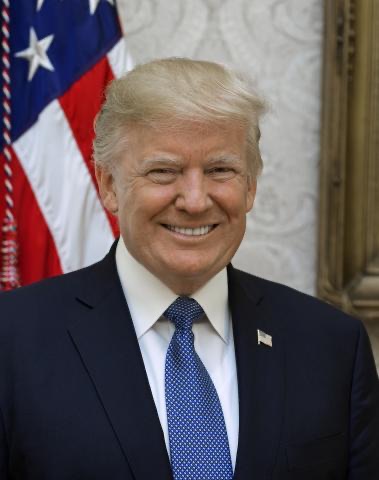
President of the United States; owner, Trump National Doral Miami
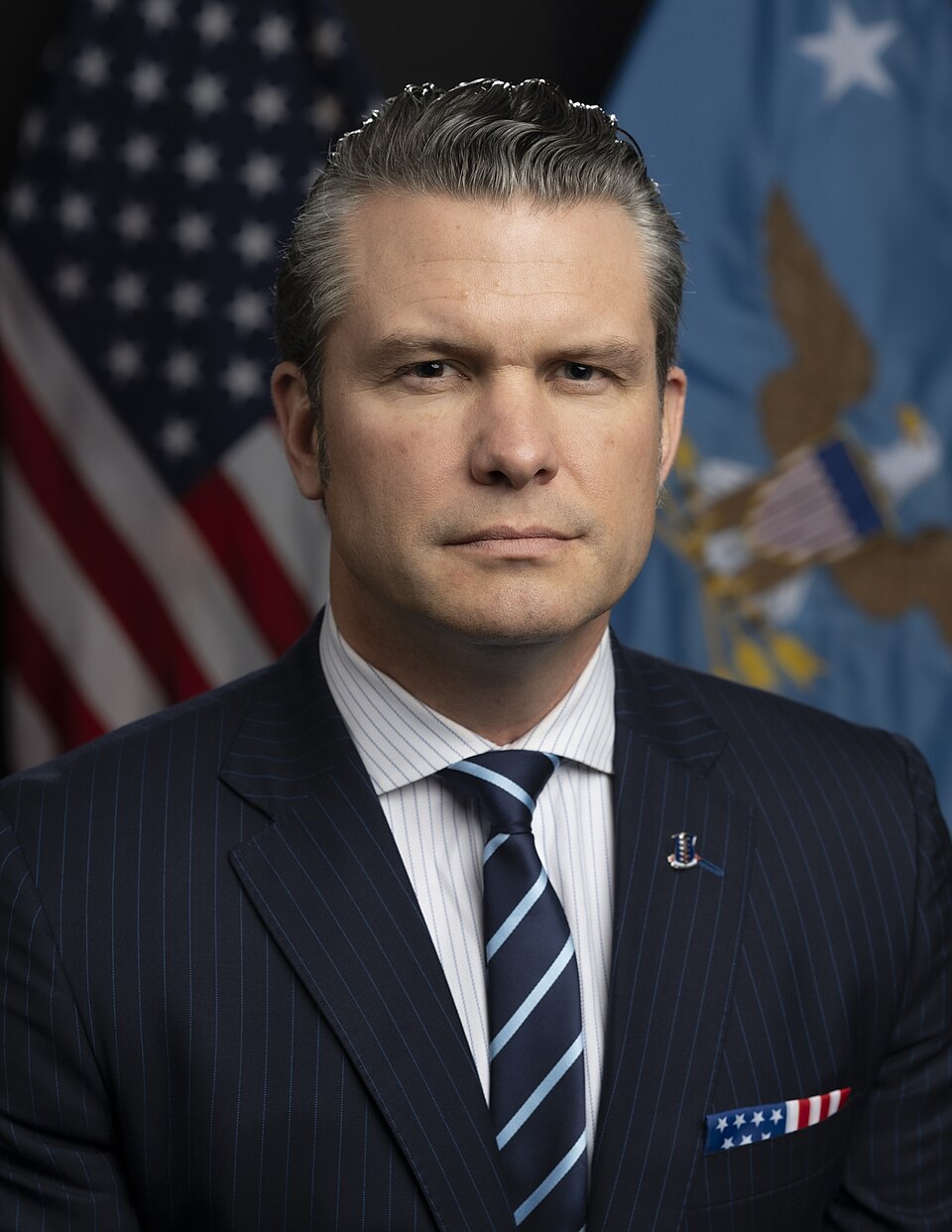
Secretary of Defense
Secretary of State
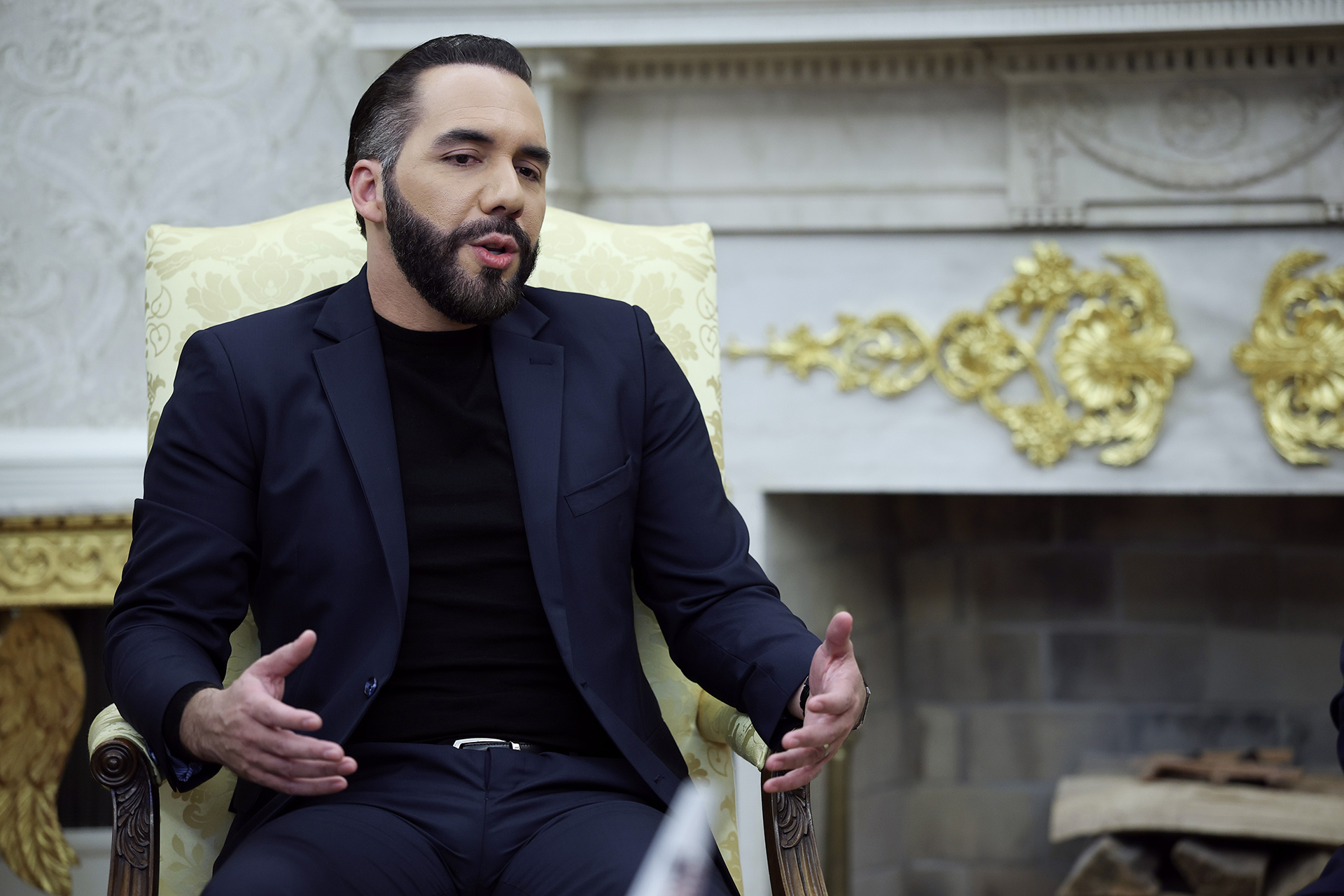
President of El Salvador
President of Argentina
President of Cuba
Former Senior Director, National Security Council; scholar, University of California San Diego
civic action
Ask your senator whether the Americas Counter-Cartel Coalition requires Senate ratification
Trump announced a multilateral military coalition at his own resort through a presidential proclamation, without Senate ratification. Whether that commitment requires a treaty vote — and whether committing foreign militaries to combat operations meets the constitutional threshold for a treaty — is an unresolved legal question your senators can publicly stake out a position on.
Hello, I am [NAME], a constituent from [CITY/STATE]. I am calling about the Americas Counter-Cartel Coalition that President Trump announced by proclamation at his Doral resort on March 7, 2026.
Key concerns:
Questions to ask:
Specific request: I am asking Senator [NAME] to state a public position on whether the Shield of the Americas coalition requires Senate ratification, and to request a legal analysis from the Congressional Research Service.
Question: Does Senator [NAME] believe presidents can commit U.S. military cooperation to foreign governments without Senate ratification?
Thank you for your time.
research
Research the history and purpose of the Summit of the Americas
The Summit of the Americas has convened 35 nations since 1994. Understanding what that multilateral forum accomplished — and what the U.S. gains and loses by replacing it with a smaller, ideologically filtered coalition — puts the Shield of the Americas in the full context of hemispheric relations.
research
Track the foreign terrorist organization designation for cartels and its legal effects
Trump's FTO designation for Mexican cartels unlocks specific military and legal authorities — including AUMF powers and material support prohibitions. Lawfare has published detailed legal analysis of what that designation allows and what legal constraints remain.