May 31, 2024
Courts undercut Sixth Amendment rights
Defendants jailed 7+ days without public defenders in Oregon
📜Constitutional Law🎓Education
May 31, 2024
Defendants jailed 7+ days without public defenders in Oregon
 James Madison pushed the Sixth Amendment in 1789 to check prosecutorial power and protect accused people from secret processes.
Betts v. Brady in 1942 let states refuse routine appointment of counsel and left poor defendants exposed in many counties.
Marginalized defendants and civil-rights fighters demanded counsel and basic confrontation rights through the mid-20th century and met institutional resistance.
Gideon v. Wainwright on Mar. 18, 1963 reversed Betts and forced states to provide lawyers, but Strickland v. Washington on May 14, 1984 set a high bar to prove ineffective assistance.
The same swing between expansion and contraction recurs in Barker v. Wingo (1972), Strickland (1984) and Shinn v. Ramirez (May 23, 2022) when national priorities or budget limits shift.
In 2024 the 9th U.S. Circuit flagged Oregon’s public defense collapse and ordered releases, and in 2025 California appeals courts tossed cases for trial-stacking delays, showing backlog becomes a constitutional harm.
Today underfunded counties and prosecutors win bargaining power; jailed people, victims and mentally ill defendants lose timely justice.
The next battle is unfolding in state legislatures, appellate courts and the Supreme Court over enforceable speedy-trial deadlines and rules for remote testimony.
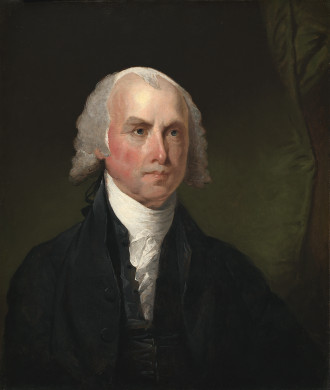
Framer and member of the First Congress
Petitioner
Associate Justice, U.S. Supreme Court
Associate Justice, U.S. Supreme Court

Associate Justice, U.S. Supreme Court
Associate Justice, U.S. Supreme Court
San Francisco district attorney
Iowa attorney general
Trade and advocacy organization
Public defense agencies