Public HealthPublic PolicyGovernmentEconomyLabor
April 8, 20263.3 million people dropped from SNAP as work requirements expand
Enrollment hits 10-year low after OBBBA work requirement expansion

enrollment dropped from 42.8 million to 39.5 million people between January and December 2025. That's 3.3 million fewer participants, an 8 percent decline, and the lowest enrollment since 2014. The USDA's Food and Nutrition Service published the data in early April 2026. Households receiving benefits fell 7.5 percent to 21.2 million.
The decline wasn't uniform across states. Arizona lost 299,624 recipients, a staggering 33 percent drop. Florida lost 444,769 people (15 percent). North Carolina lost 209,492 (14 percent). Nearly every state saw decreases. Only three states maintained or increased enrollment.
The , signed by President Trump on July 4, 2025, reshaped SNAP eligibility. expanded from ages 18-49 to ages 18-65, requiring 80 hours per month of work, training, or volunteering. Parents with children ages 14 and older became subject to requirements for the first time. Veterans, homeless individuals, and former foster youth lost their automatic exemptions.
The law also made states pay a share of benefit costs for the first time in SNAP history. This created a fiscal incentive for states to shrink their caseloads by tightening documentation requirements, shortening response windows, and adding procedural hurdles. The $520 million annual SNAP nutrition education program was eliminated entirely.
The Congressional Budget Office scored the SNAP provisions at $186.7 billion in cuts over 10 years when the law passed. CBO estimated 2.4 million fewer people per month would receive benefits. The breakdown: roughly 800,000 adults without dependents, 300,000 parents with children 14 and older, one million people previously eligible for area waivers, and 90,000 noncitizens including refugees and trafficking victims.
The Center on Budget and Policy Priorities tracks real-time impacts through its SNAP Tracker. CBPP found 2.5 million people had already lost benefits by April 2026, with 4 million expected when all cuts take effect. Eleven million people are at risk, including 4 million children.
Brookings Institution researcher Lauren Bauer published findings in April 2026 showing work requirements reduce SNAP participation by 53 percent among affected groups with no corresponding increase in employment. Bauer said the research changed her mind: 'SNAP should be an anti-hunger program.' A previous Arkansas experiment found 18,000 people lost coverage with zero employment gains.
The Food Research and Action Center called the decline a 'deliberate policy design' rather than reduced need. FRAC documented a sequence of policy changes starting in late 2024 that systematically increased barriers to enrollment. The conservative Heritage Foundation and American Enterprise Institute argued work requirements promote self-sufficiency, pointing to 1990s welfare reform as precedent.
Feeding America's food bank locator traffic jumped sixfold to 28,000 visitors per day after the cuts took effect. CEO Claire Babineaux-Fontenot said: 'When you take SNAP away, the implications are cataclysmic.' Neighborhood pantries in Georgia slowed food distributions because demand outpaced supply.
For every dollar of SNAP benefits, food banks provide one-ninth the support. Emergency food assistance can't replace the program's scale. Eight cities and advocacy groups sued the USDA on April 2, 2026, claiming the agency prematurely terminated area waivers without statutory authority. Some states, including New York, began exploring state-level funding to backfill federal cuts.
USDA Secretary Brooke Rollins defended the enrollment decline on April 8, 2026, calling it evidence of "program integrity" and saying people who can work should work. She didn't address Brookings research showing zero employment gains from work requirements. House Agriculture Committee Chair Glenn Thompson (R-PA) echoed Rollins, citing 1996 welfare reform as proof that requirements reduce dependency.
Senate Agriculture Committee Ranking Member Debbie Stabenow (D-MI) called the cuts "a manufactured hunger crisis" and introduced the SNAP Restoration Act to reverse the provisions. The bill has 38 co-sponsors but faces a Republican majority in both chambers.
Arizona's 33 percent enrollment drop hit the Navajo Nation and rural border communities hardest. The state's work requirement verification system crashed repeatedly in its first three months, leaving thousands unable to prove compliance even when they met the hours. Legal aid groups in Tucson and Phoenix filed 12,000 fair hearing requests between January and March 2026, overwhelming the state's administrative review capacity.
The lawsuit filed April 2, 2026, by eight cities and advocacy groups (Food Bank for New York City v. USDA) challenges the USDA's authority to terminate area waivers. Plaintiffs argue the OBBBA didn't authorize eliminating waivers for high-unemployment areas, which had protected 1.2 million people in communities where jobs don't exist.
Related Topics
2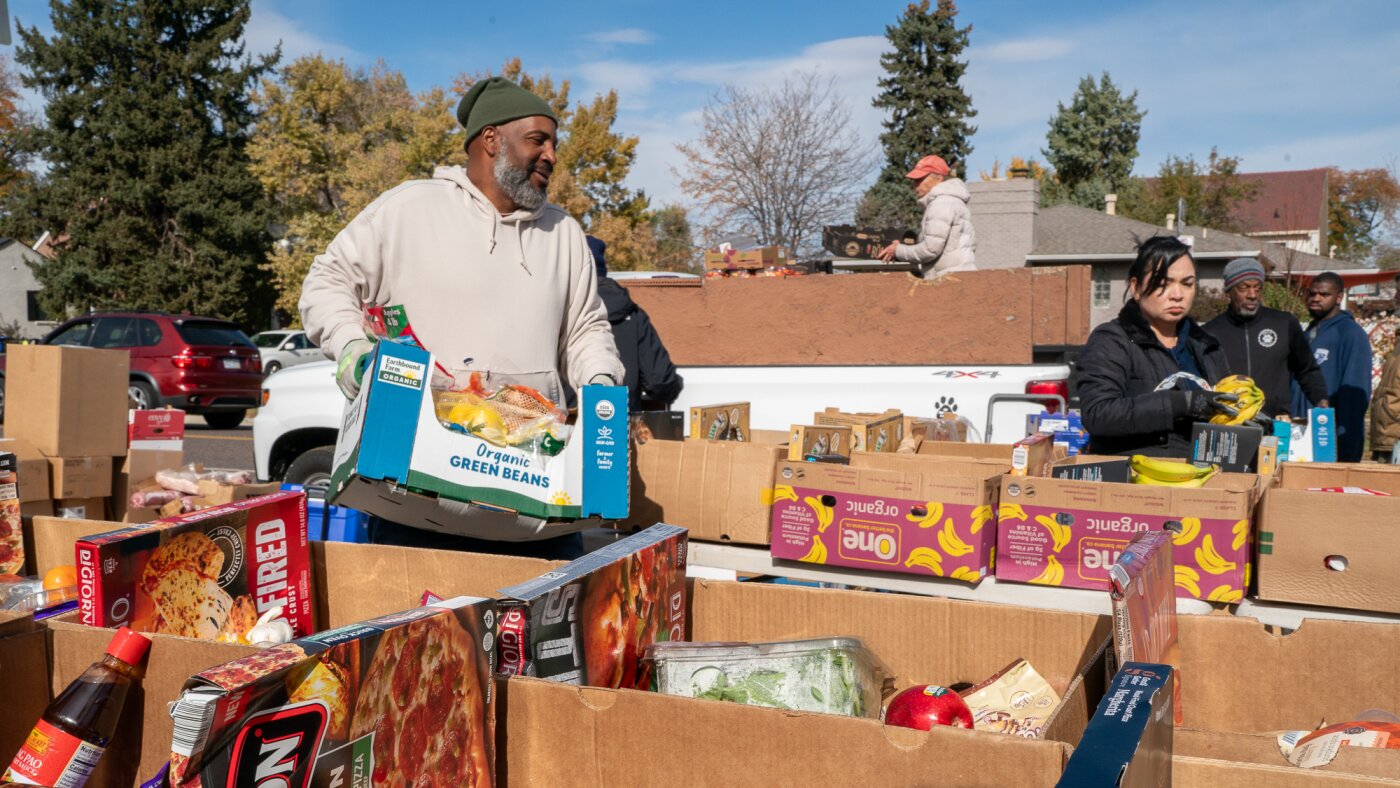
SNAP restoration creates chaos as some states get full benefits while others get nothing
States scramble to restore food aid as federal guidance creates confusion for 42 million Americans
One Big Beautiful Bill cuts SNAP by $186 billion, the largest reduction in history
The largest food assistance cut in 60 years shifts costs to states and removes exemptions for veterans and foster youth
22 questions
Start the review