Constitutional Law · Government · Civil Rights · Justice·May 7, 2026
SPLC pleads not guilty to federal charges in DOJ prosecution
SPLC pleads not guilty to 11 federal fraud charges tied to extremist-group informant payments

On May 7, 2026, the Southern Poverty Law Center (SPLC) appeared before federal judge Emily Coody Marks in Montgomery, Alabama to enter a not guilty plea to 11 criminal charges brought by the Department of Justice. The indictment alleges the SPLC engaged in wire fraud, bank fraud, and money laundering by making $3+ million in payments to informants who infiltrated white supremacist groups including the Aryan Nations, National Socialist Party, and United Klans of America over the past nine years. The case raises urgent questions about prosecutorial discretion, the government's authority to criminalize nonprofit operations, the First Amendment right of association, and what role political considerations play in high-profile prosecutions.
The grand jury indictment, which carries the lower legal standard of probable cause, represents the start of a trial process that won't conclude until at least October 5, 2026, just days before the midterm elections. The SPLC argues its informant program saved lives, disrupted attacks, and shared intelligence with law enforcement. The DOJ contends the organization systematically deceived banks and used shell companies to conceal the true purpose of wire transfers. This case will test whether civil society organizations can be prosecuted for fraud when they use methods prosecutors claim were dishonest, even if those methods prevented violence and may have broken no law on their face.
Key facts
On April 21, 2026, Acting Attorney General Todd Blanche and FBI Director Kash Patel announced a federal indictment against the Southern Poverty Law Center. The indictment alleges wire fraud (6 counts under 18 U.S.C. § 1343), bank fraud (4 counts under 18 U.S.C. § 1014), and money laundering conspiracy (1 count under 18 U.S.C. § 1956). (Department of Justice press release, April 21, 2026)
The case centers on $3+ million in payments made by the SPLC to informants between 2014 and 2023. According to the indictment filed in U.S. District Court (Middle District of Alabama, Case No. 2:26-cr-00139), the SPLC used shell companies -- including one called Fox Photography and another called Rare Books Warehouse -- to make payments to informants who infiltrated white supremacist organizations. The indictment alleges these shell companies were created to conceal the true purpose of the wire transfers from financial institutions. (U.S. District Court Middle District of Alabama Docket 2:26-cr-00139, accessed May 2026)
The informants paid by the SPLC infiltrated multiple extremist groups including the United Klans of America, National Socialist Party/Movement, Aryan Nations, National Alliance (a neo-Nazi organization), American Front, and others. One informant was paid over $270,000 across eight years and attended and coordinated actions at the 2017 Charlottesville Unite the Right rally. Another was paid over $1 million while infiltrating the National Alliance. (indictment text from U.S. Attorney's Office Middle District of Alabama, April 2026)
The SPLC's stated mission in its Intelligence Project was to identify white supremacist threats to national security. The organization published research on extremist movements and used the data it gathered from informants to warn law enforcement and civil rights communities about planned violence. The SPLC argues it disclosed the informant program to the FBI and that the program -- which operated from 2014 forward -- resulted in disrupting actual threats and saving lives. (SPLC statement on response to indictment, May 2026)
Bryan Fair, interim CEO of the SPLC, denied the charges in a statement on May 7, 2026, calling the indictment baseless and politically motivated. Fair stated that the organization has never attempted to defraud any bank and has always acted transparently in partnership with law enforcement. He noted the organization paid informants to gather intelligence on white supremacist threats and that senior SPLC leadership disclosed the program to FBI officials throughout its operation. (SPLC official statement, May 7, 2026)
Wire fraud under 18 U.S.C. § 1343 requires proof of four elements: (1) a scheme to obtain money or property through fraudulent pretenses or representations; (2) intent to defraud the victim; (3) materiality of the false statements (meaning they were likely to influence the victim's conduct); and (4) use of interstate wire communications in furtherance of the scheme. Bank fraud under 18 U.S.C. § 1014 applies similar standards to false statements made to banks or federally insured financial institutions. The DOJ's theory rests on the claim that the SPLC made false representations to banks about the purpose of wire transfers when it used shell companies to move funds intended for informant payments. (Cornell Law School Legal Information Institute, 18 U.S.C. § 1343)
A federal grand jury indictment operates under the probable cause standard, which requires only that a majority of jurors agree the evidence shows a fair probability or substantial chance that the defendant committed the crime. This is a much lower threshold than the beyond a reasonable doubt standard required for conviction at trial. A grand jury's finding of probable cause does not determine guilt -- it merely means prosecutors have presented sufficient evidence to justify bringing charges. (Federal Rules of Criminal Procedure, Rules 6 and 7; see also Gerstein v. Pugh, 420 U.S. 103 (1975))
The defense has filed motions challenging statements made by Acting Attorney General Blanche in his April 21 press conference, arguing they included false factual claims and were designed to prejudice potential jurors against the SPLC before trial. The defense also filed motions seeking disclosure of the grand jury transcript to determine what evidence was actually presented. (Defense counsel filings in Case No. 2:26-cr-00139, May 2026)
The case has drawn criticism from civil rights organizations, state attorneys general, and First Amendment advocates who argue the prosecution represents an unprecedented attack on a nonprofit organization's right to gather intelligence and associate with sources. Twenty-three state attorneys general, the NAACP, and the Government Law Watch (GLOW) organization issued a joint statement on May 2, 2026, calling the prosecution a dangerous erosion of civil society's independence from executive branch political control. (joint statement from state AGs and civil rights groups, May 2, 2026)
Prosecutorial discretion -- the power of prosecutors to decide whether to bring charges, whom to charge, and what charges to pursue -- is technically unlimited by law but has been challenged in recent years as subject to political influence. Legal scholars including Professor Angela Davis of American University Law School argue that prosecutions of civil rights organizations investigating government conduct have historically been used to silence dissent, citing examples from the FBI's COINTELPRO program (1956-1971), which investigated civil rights leaders including Dr. Martin Luther King Jr. under the guise of national security. (Davis, A., Prosecution and Race, Oxford University Press, 2007; see also Church Committee Final Report on COINTELPRO abuses, 1976)
The First Amendment protects the right of association -- both for joining organizations and for organizations to gather information and conduct investigations free from government interference. The Supreme Court established in NAACP v. Alabama (1958) that compelled disclosure of membership lists violates the right of association when such disclosure could expose members to retaliation. Some legal analysts argue the SPLC indictment -- by targeting how the organization gathered information -- may raise similar First Amendment concerns about whether nonprofits can conduct investigations of extremist threats without fear that prosecutors will later criminalize their methods. (NAACP v. Alabama, 357 U.S. 449 (1958))
The case is set for trial beginning October 5, 2026 -- less than one week before the midterm elections scheduled for November 4, 2026. Some political analysts have raised concerns that the timing of the prosecution, combined with Acting AG Blanche's strong public statements about the case, may influence voter behavior or distract from other election issues. Prosecutors counter that trial dates are set by courts, not the DOJ, and that the October date reflects the court's calendar, not political calculation. (U.S. District Court Middle District of Alabama Calendar and Docket, May 2026)
Related
Categories that may be relevant to you
5 topics available
May 23, 2026
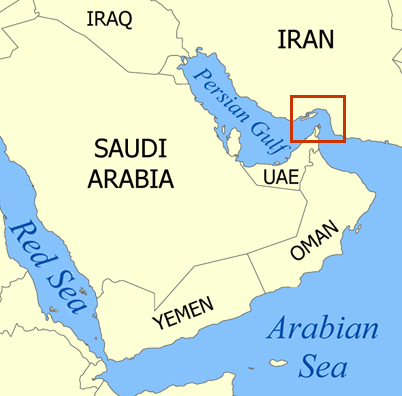
Trump declares Iran peace MOU largely negotiated
May 22, 2026
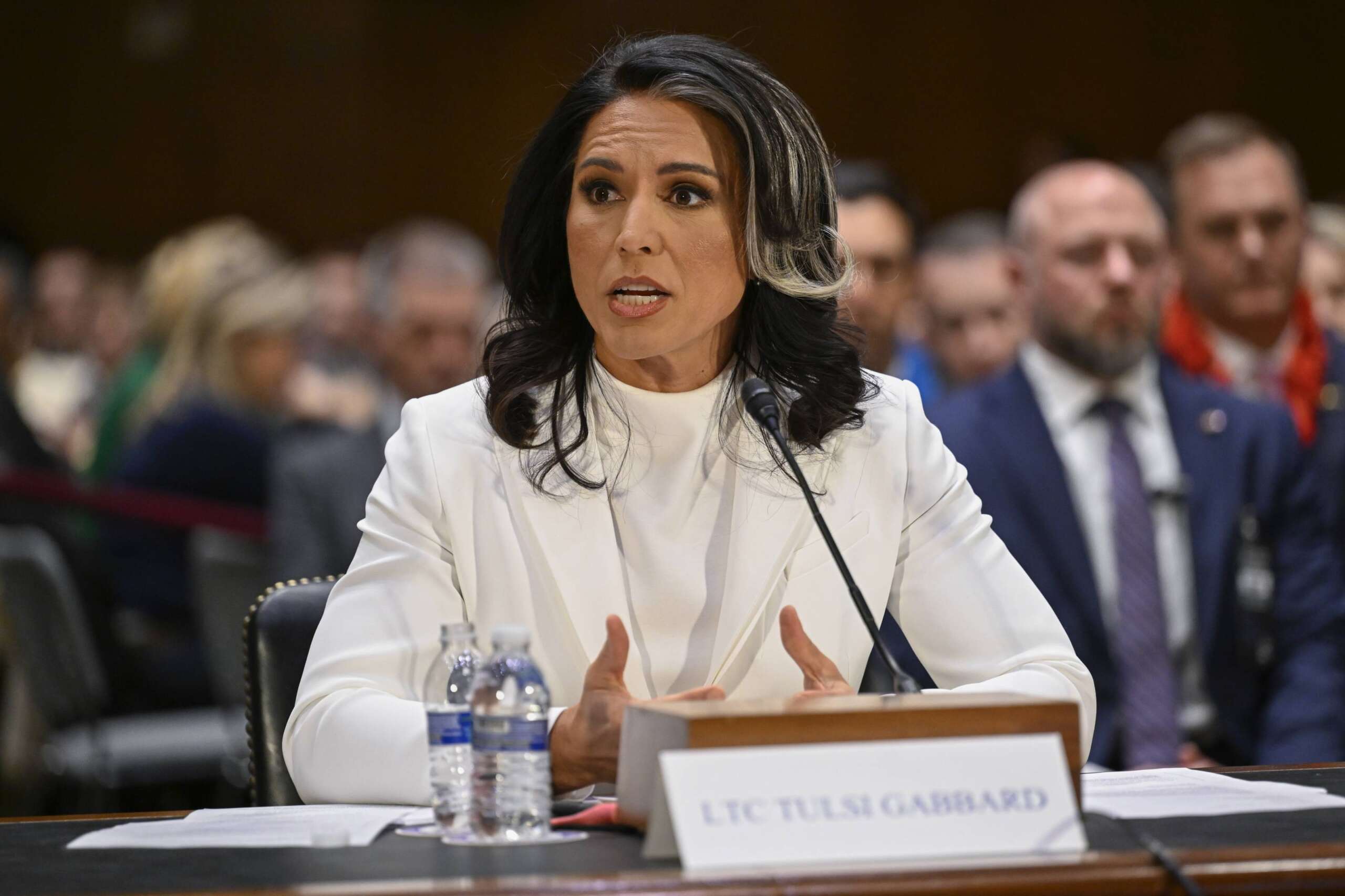
Gabbard resigns as director of national intelligence
May 21, 2026
House GOP cancels Iran war powers vote, shielding Trump from rebuke
⚖️
May 21, 2026
Supreme Court rules cruise lines liable for Cuba's confiscated docks
May 20, 2026
DOJ indicts Raul Castro over 1996 Brothers to the Rescue shootdown
View All Foreign Policy Topics
322 topics
20 questions
Start the review