Government·February 13, 2026
Supreme Court to rule on Trump's emergency tariff power in China trade case
First opinion day in weeks could decide fate of Trump Liberation Day tariffs costing importers $16B monthly

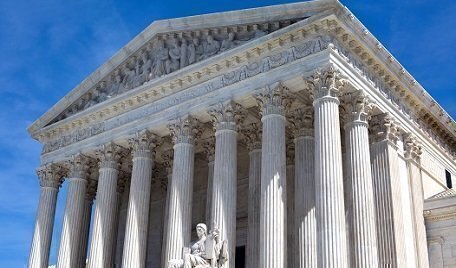
The Supreme Court scheduled Feb. 20, 2026 as its next opinion day, returning from a four-week winter recess. Additional opinion days are scheduled for Feb. 24 and 25.
The Court could issue its ruling on Trump's Liberation Day tariffs, though there's no guarantee the decision will come on these specific days. Opinion days typically occur on days when justices were already scheduled to take the bench. Feb. 20 is listed as a non-argument session and conference day.
The tariff case is one of 12 cases argued in October or November 2025 that remain undecided. The Court heard oral arguments on Nov. 5, 2025 in the consolidated challenges to Trump's tariff authority.
The disputed tariffs are costing U.S. importers more than $16 billion every month according to federal government data. At that rate, importers have paid over $135 billion since the tariffs began.
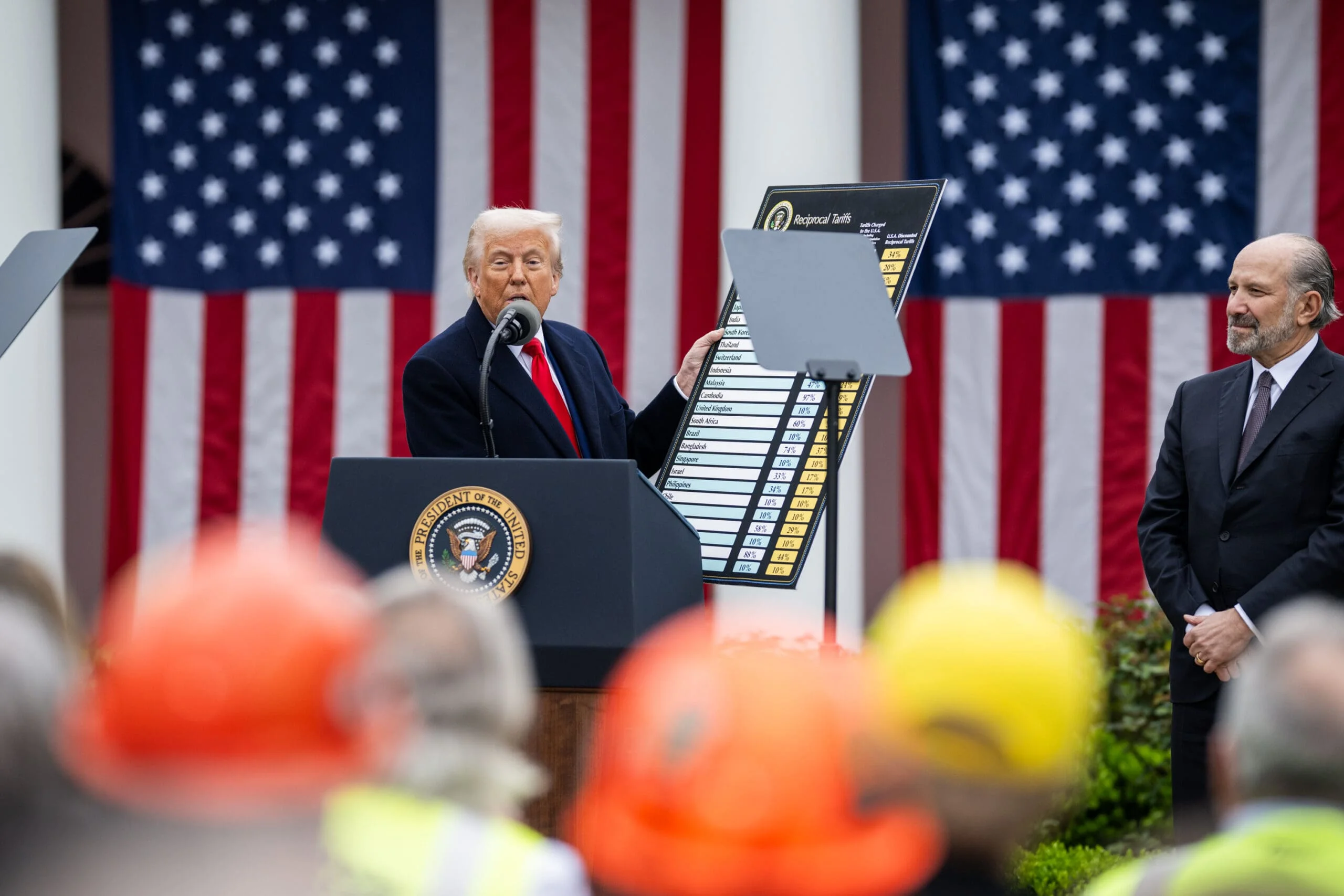
The case challenges Trump's April 2, 2025 Liberation Day tariffs, which imposed levies ranging from 10% to 50% on imports from virtually all U.S. trading partners. It also challenges duties placed on Canada, Mexico, and China implemented to address fentanyl trafficking.
Trump invoked the International Emergency Economic Powers Act to justify the tariffs, claiming national security emergencies. IEEPA gives presidents emergency powers but doesn't expressly authorize tariffs.
At November oral arguments, both liberal and conservative justices asked skeptical questions about Trump's authority. Chief Justice John Roberts said Congress has the core power when it comes to tax regulation, rejecting the administration's claim that tariffs aren't taxes.
Justice Amy Coney Barrett questioned whether IEEPA authorized Trump to impose emergency tariffs. The skeptical questioning from conservative justices surprised many court observers.
Trump has called the decision one of the most important ever in Supreme Court history
He said on Truth Social: If the Supreme Court rules against the United States of America on this National Security bonanza, WE'RE SCREWED
He estimated many Hundreds of Billions of Dollars or even Trillions were at stake if the government was forced to refund those who paid tariffs He said it would be a complete mess, and almost impossible for our Country to pay.
The Trump administration has indicated that a defeat would only prompt it to impose the duties via other legal means. Trump himself acknowledged these alternative processes would be more cumbersome and has implored the Court to uphold the tariffs. Potential alternative authorities include Section 232 national security tariffs and Section 301 unfair trade practice tariffs, though both have procedural requirements and limitations.
Prediction markets show significant betting on the outcome
Kalshi and Polymarket combined show over $9 million in bets on whether the Court will rule in Trump's favor by 2028
Kalshi users give Trump a 30% chance of prevailing, while Polymarket bettors give him 28% Wall Street analysts are increasingly sanguine about the ruling, with JPMorgan noting that each week the Court delays increases the likelihood of Trump prevailing, as historically the Court reserves most impactful decisions for June.
Related Topics
3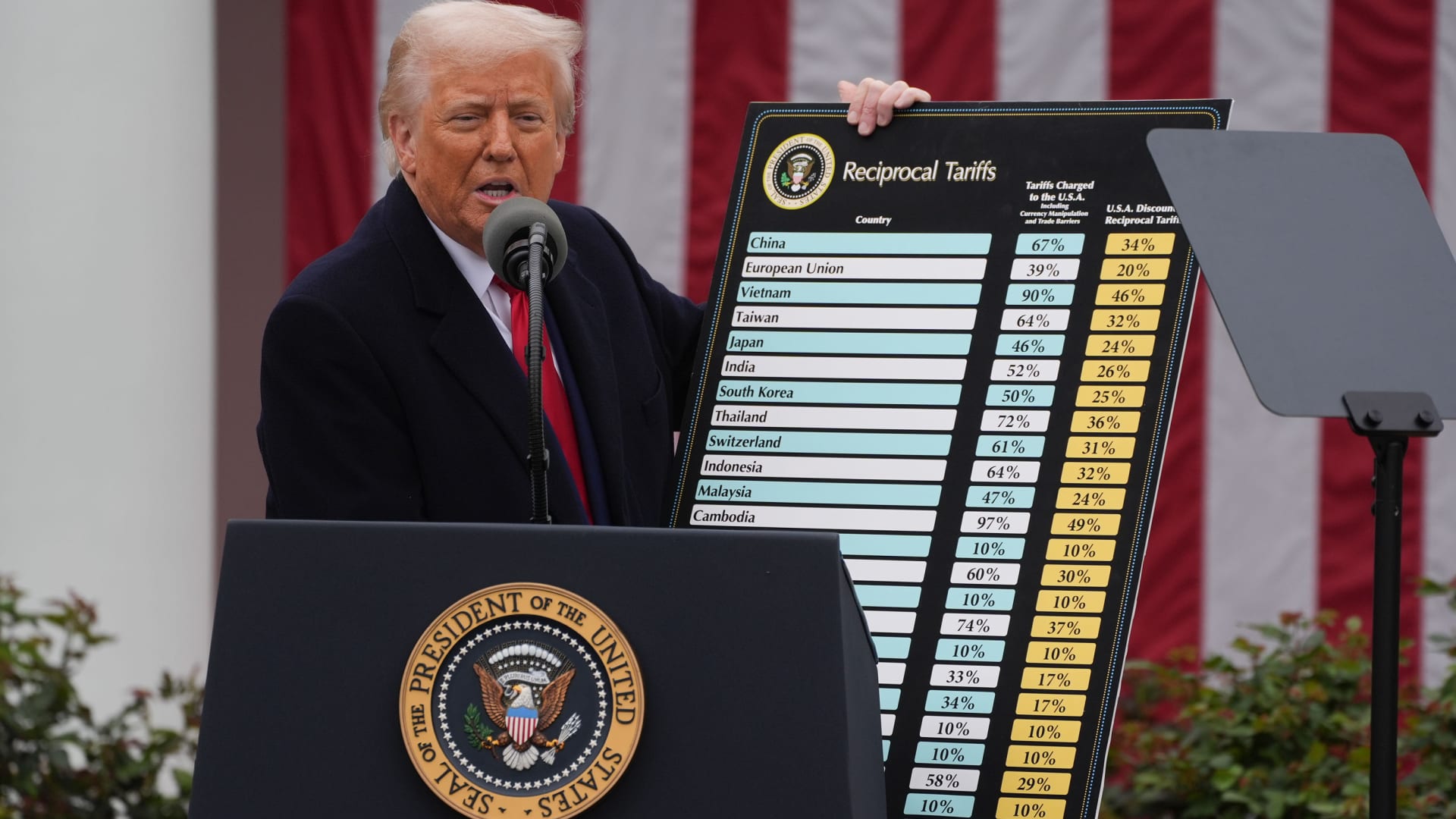
Appeals court kills Trump tariffs as "illegal" executive overreach
Federal appeals court kills Trump tariffs, Supreme Court showdown looms
Trump plans to attend Supreme Court tariff hearing Nov. 5
Legal experts worry presidential presence could improperly pressure justices
Supreme Court adds Feb. 20 decision day for tariff ruling
First opinion release in four weeks expected to address Trump tariff authority
16 questions
Start the review