Civil RightsElections
November 18, 2025Federal court blocks Texas redistricting as racial gerrymandering, orders 2021 maps for 2026
Federal court strikes down mid-decade redistricting as racial discrimination, orders 2021 maps restored

On Nov. 18, 2025, a three-judge federal panel in El Paso issued a 160-page decision blocking Texas from using its newly drawn 2025 congressional maps for the 2026 midterm elections. The court ruled the maps were "racially gerrymandered" in violation of the Voting Rights Act and the Equal Protection Clause. Judges ordered Texas to use the 2021 maps instead, dealing a major blow to Trump's national redistricting strategy.
Texas Republicans passed the new maps mid-decade—between regular census-based redistricting cycles—specifically to create more Republican congressional seats for the 2026 midterms. President Trump publicly urged states to redraw maps to help Republicans keep the House. The Texas legislature redrew districts in summer 2025, following Republican-led redistricting efforts in multiple states including Florida, Georgia, and North Carolina.
The court found that Texas used race as the predominant factor in drawing district lines, not just partisan advantage. Evidence showed mapmakers deliberately reduced Latino voting power in South Texas districts and packed Black voters into fewer districts in urban areas. The decision cited emails and testimony from Republican legislators discussing racial demographics when drawing lines, which is unconstitutional under the Equal Protection Clause.
Two judges appointed by different Republican presidents disagreed sharply on the ruling
Judge Jeffrey V
Brown, a Trump appointee, wrote the majority opinion finding racial gerrymandering Judge Jerry E Smith, a Reagan appointee, filed 15 dissents—an unusually high number suggesting deep disagreement Smith's dissents weren't included in the initial ruling because Brown released the decision before Smith finished writing them.
Texas Attorney General Ken Paxton immediately announced Texas would appeal to the Supreme Court. The state argues the maps are based on legitimate partisan considerations, not race, and that the court interfered with the legislature's redistricting authority. Legal experts expect the case to reach the Supreme Court by spring 2026, potentially before the Nov. midterms.
The ruling affects multiple congressional districts where Texas split or reconfigured heavily Latino and Black communities to dilute their voting power. South Texas districts that were competitive under 2021 maps became solidly Republican under the 2025 maps by spreading Latino voters across multiple districts. Urban districts in Houston and Dallas concentrated Black voters to limit their influence in surrounding suburban districts.
This case is part of Trump's broader strategy to use mid-decade redistricting to secure Republican control of the House for the 2026 midterms. After Democrats made gains in the 2024 elections, Trump pushed Republican-controlled states to redraw maps immediately rather than waiting for the 2030 census. Texas's defeat in court threatens similar redistricting efforts nationwide.
Timeline
Republican Redistricting and Gerrymandering
Nov 18, 2025
Main
Federal court blocks Texas redistricting as racial gerrymandering, orders 2021 maps for 2026
On Nov. 18, 2025, a three-judge federal panel blocked Texas's 2025 congressional redistricting, ruling the maps were "racially gerrymandered" and ordered the state to use 2021 maps for 2026 midterm elections. The court found evidence Texas used race, not just politics, to dilute minority voting power. Texas immediately appealed to the Supreme Court. In December 2025, the Supreme Court stayed the lower court ruling and allowed Texas to use the 2025 map for the 2026 elections.
Related Topics
3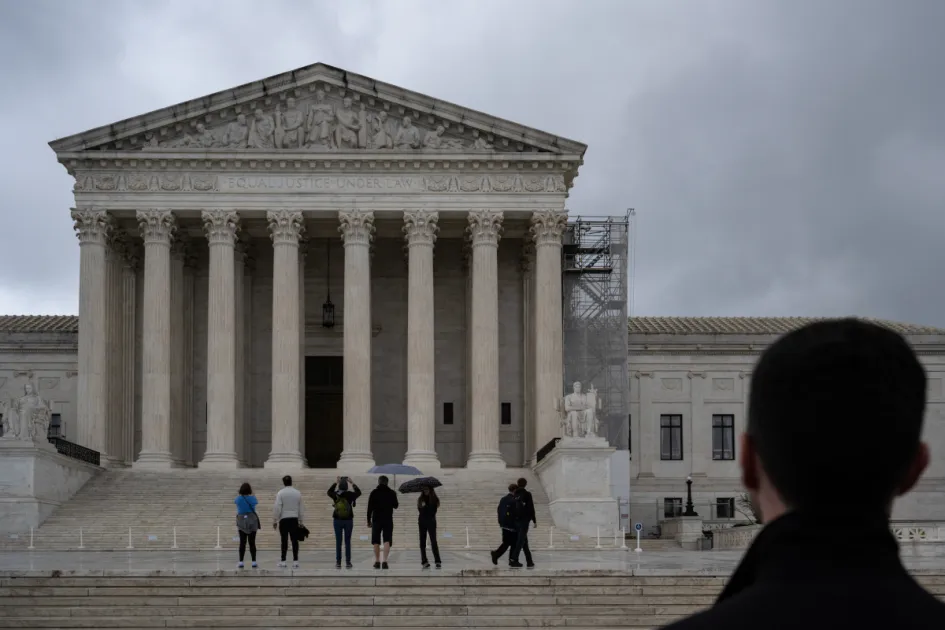
Supreme Court clears Texas GOP map targeting 5 Dem seats
Five Black and Latino incumbents face hostile new district lines

Supreme Court lets Texas use racially challenged redistricting map for 2026
Map survived Supreme Court challenge despite lower court finding racial discrimination
🗺️
California retaliates with emergency redistricting plan
Blue states fight back against red state gerrymandering
20 questions
Start the review