National SecurityForeign Policy
November 21, 2025Trump's team drafted Ukraine peace plan with Putin's sanctioned envoy
Ukraine must choose between accepting Russian control over occupied territories or losing critical military aid

On Nov. 20, 2025, Trump presented Ukrainian President Volodymyr Zelenskyy with a 28-point peace framework demanding Ukraine cede Crimea, Donetsk, and Luhansk to Russia permanently, freeze fighting for 20 years, cap military forces at 600,000 troops, and enshrine in its constitution a ban on NATO membership. Real estate developer Steve Witkoff drafted the plan after meeting Putin's envoy Kirill Dmitriev—CEO of Russia's sanctioned sovereign wealth fund—at dinners in Miami in late Oct., with input from Secretary of State Marco Rubio and Trump's son-in-law Jared Kushner.
The plan grants Russia control over roughly 20% of Ukrainian territory including regions where Ukraine still controls land: the Institute for the Study of War calculated Ukraine holds 14.5% of Donbas (Donetsk/Luhansk), yet the plan requires Ukraine to withdraw and recognize Russian sovereignty. It creates a demilitarized buffer zone in contested Donetsk areas that would be 'internationally recognized as territory belonging to the Russian Federation,' with no Russian troops allowed but Ukraine barred from reclaiming it.
Trump offered NATO-style Article 5 security guarantees—treating attacks on Ukraine as attacks on the transatlantic community—but with crippling caveats: Ukraine loses protection if it 'invades Russia' or launches missiles at Moscow/St. Petersburg 'without cause.' The vague language creates enforcement uncertainty, and the plan bars NATO from stationing troops in Ukraine, instead positioning European fighter jets in Poland. Ukraine could pursue EU membership but constitutional NATO prohibition would be permanent.
European leaders rejected the framework within hours of its Nov. 20 leak. German Chancellor Friedrich Merz and French President Emmanuel Macron issued a rare joint statement opposing territorial concessions, with EU foreign policy chief Kaja Kallas stating bluntly that ending the war requires Ukrainian and European agreement, signaling resistance to imposed settlements. Poland's foreign minister warned the plan would 'reward aggression and endanger all of Europe,' echoing 1938 appeasement concerns.
The plan includes controversial provisions favoring Russia: full amnesty for all conflict actions (potentially shielding Putin from ICC war crimes prosecution for child deportations), lifting sanctions on Russia, reinstating Moscow in the G8, allocating $100 billion in frozen Russian assets for Ukraine reconstruction but giving the U.S. 50% of profits, and requiring Ukraine to hold elections within 100 days. Chatham House expert Keir Giles called the terms 'unenforceable, nonsensical and vague,' while Marina Miron at King's College London assessed 'Russia gets maybe 70 percent of what it wants.'
Witkoff and Dmitriev coordinated the plan through back-channel negotiations that alarmed U.S. officials and lawmakers. Reuters reported growing concerns about the Miami meetings where the sanctioned Russian envoy—granted special entry permits by the Trump administration—worked directly with Trump's team to draft terms. The Kyiv Independent learned Witkoff ran a 'shadow operation' inside the White House to sideline pro-Ukraine officials, shaping proposals 'in direct coordination' with Kremlin demands while excluding Ukrainian input until presentation.
Zelenskyy responded cautiously, telling reporters Nov. 20 that Ukraine needs 'a real peace that won't be broken' and cannot accept terms without guarantees of 'security and sovereignty.' He emphasized the principle 'nothing about Ukraine without Ukraine,' noting his government learned of the plan from news reports rather than advance consultation. Ukrainian officials privately characterized it as appeasement trading sovereignty for a temporary ceasefire Putin could break at will, with opposition lawmaker Vadym Ivanchenko saying the points 'appear to be at odds with Ukraine's interests.'
Related Topics
6
US, Russia, and Ukraine open third peace talks in Geneva
Trump tells Ukraine to "come to the table fast" as Witkoff and Kushner lead delegation
Trump backs Putin's peace plan over immediate ceasefire
Peace rhetoric masks territorial surrender to Russian demands
Trump pushes Ukraine to surrender territory to Russia at frozen lines
Trump pushes Ukraine to surrender territory after telling Putin no Tomahawks
Trump pushes Ukraine to surrender land after Putin meeting
Western abandonment forces Ukraine into Russian surrender terms
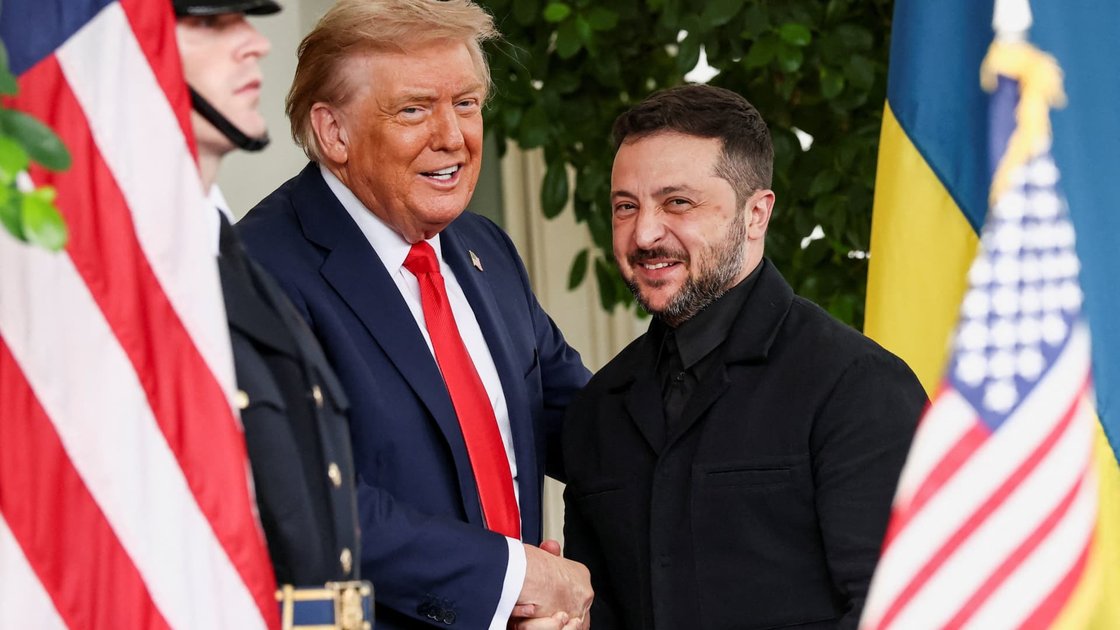
Zelenskyy meets Trump at White House as European allies demand Ukraine solidarity
Desperate diplomacy as Ukraine faces American betrayal
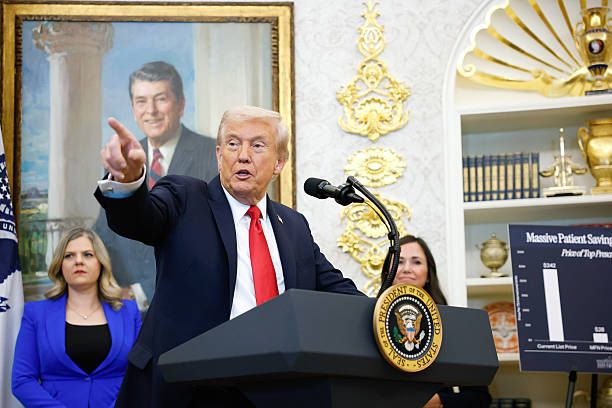
Trump pushes ceasefire freezing Russian-occupied territory
Denies Tomahawks after 2.5-hour Putin call, demands Ukraine accept occupation
20 questions
Start the review