National Security · Constitutional Law · Government · Civil Rights·May 6, 2026
Trump's 2026 counterterrorism plan designates left-wing groups as threats
Trump strategy designates antifa alongside jihadists, authorizes surveillance and prosecution

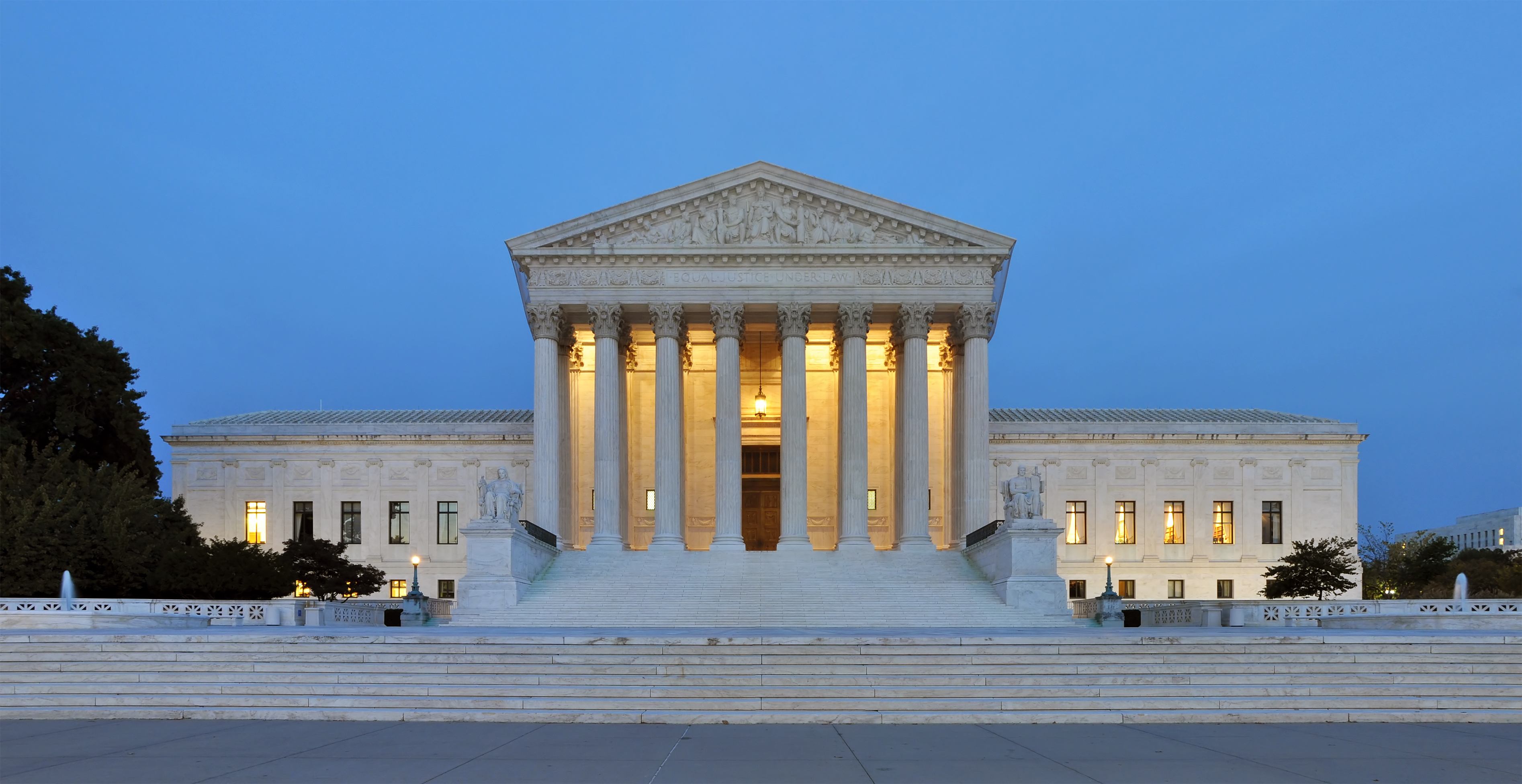
Photo: REUTERS/Kylie Cooper/File Photosource ↗
The White House released its 2026 United States Counterterrorism Strategy on May 6, 2026, a 16-page document that formally designates violent left-wing extremists — including anarchists and anti-fascists — as a major national security threat alongside jihadist networks and drug cartels. The strategy commits to mapping their membership, surveilling their international ties, and using law enforcement to cripple them before they can act. It also authorized the State Department to designate four European left-wing organizations as terrorist groups, imposing financial sanctions and expanding domestic surveillance and prosecution authority against their U.S.-based members. The strategy accuses previous administrations of having weaponized counterterrorism authorities against conservatives and religious groups, while pledging to use those same tools against left-wing and antifa organizations. Civil liberties advocates warn the strategy's broad definition of extremism could encompass ordinary political protest and 📖First Amendment-protected speech. The Center for Strategic and International Studies found that over the past decade, right-wing extremists carried out 152 attacks killing 112 people in the U.S., compared to 35 attacks and 13 deaths attributed to left-wing extremists — yet the strategy focuses its 📖domestic terrorism language almost entirely on the left.
Key facts
The White House released the 2026 United States Counterterrorism Strategy on May 6, a 16-page document that identifies three categories of major terrorist threats: narcoterrorists and transnational gangs, legacy Islamist terrorists, and violent left-wing extremists including anarchists and anti-fascists. Each category gets a dedicated section of the strategy with specific commitments for surveillance, law enforcement, and military or financial action.
The strategy is the first counterterrorism document of 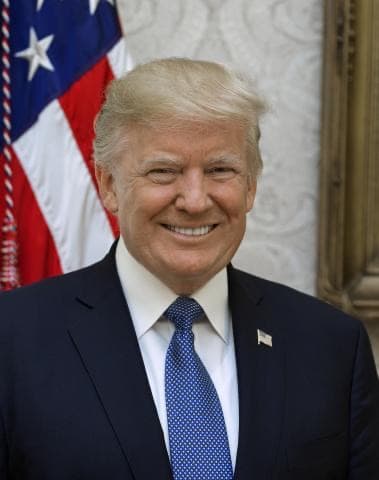 Trump's second term. It formally incorporates left-wing extremist groups into the same strategic framework historically reserved for jihadist networks like al-Qaeda and ISIS. The document was signed by the president and bears the same legal weight as prior administrations' counterterrorism strategies.
On the left-wing extremist threat, the strategy states: 'We will use all the tools constitutionally available to us to map them at home, identify their membership, map their ties to international organizations like antifa and use law enforcement to cripple them operationally before they can maim or kill the innocent.' This language authorizes intelligence mapping of political organizations, surveillance of domestic groups, and preemptive law enforcement action based on organizational membership.
The strategy does not define antifa as a formal organization. Antifa is a loosely affiliated movement, not a structured group with membership rolls or leadership. This means the phrase 'ties to international organizations like antifa' could be applied broadly to anyone affiliated with anti-fascist activism, including legal protest organizers and civil liberties advocates.
The State Department, acting on the strategy's authorization, designated four European left-wing organizations as terrorist groups: two organizations in Greece, one in Germany, and one in Italy. The designations impose financial sanctions, freeze any U.S. assets, and prohibit Americans from providing material support to the groups. They also expand the administration's legal authority to surveil, investigate, and potentially prosecute individuals in the U.S. with ties to these organizations.
Secretary of State  Marco Rubio signed the four designations. Under U.S. law, the secretary of state has the authority to designate foreign terrorist organizations, which triggers a mandatory reporting regime for financial institutions and allows prosecutors to charge U.S. persons with material support to terrorism for any contact with the designated groups.
The strategy's data on 📖domestic terrorism tilts sharply against its stated threat assessment. The Center for Strategic and International Studies, a bipartisan think tank, analyzed 📖domestic terrorism over the past decade and found that right-wing extremists carried out 152 attacks in the United States and killed 112 people, compared with 35 attacks and 13 deaths attributed to left-wing extremists. Right-wing violence produced eight times as many deaths.
However, the strategy's preface references 2025 specifically: that year marked the first time since 1994 that the number of left-wing attacks exceeded right-wing attacks in a single year, with five left-wing incidents, one right-wing incident, and two Islamist incidents. The administration cited this as evidence of a growing left-wing threat. Critics noted that this relied on a single-year anomaly to reframe a decade-long pattern.
Attorney General  Pam Bondi announced the creation of a dedicated 📖domestic terrorism unit within the DOJ concurrent with the strategy's release. The unit has expanded resources for investigating left-wing extremist groups and will operate alongside existing FBI 📖domestic terrorism programs. Bondi described the unit as fulfilling a campaign commitment to use federal law enforcement against antifa and related organizations.
The unit's formation signals a shift in DOJ prosecutorial priorities. In prior administrations, 📖domestic terrorism investigations covered both left-wing and right-wing groups roughly evenly. The new unit's creation alongside language in the strategy that focuses almost entirely on left-wing threats indicates prosecutions of left-wing activists will receive heightened resources and attention.
The strategy accuses previous administrations of having weaponized counterterrorism authorities to target political opponents. This is a reference to Trump's claims that the FBI and DOJ targeted him and his allies during his first term and the 2020 transition. The strategy pledges to restore counterterrorism authority to its proper purpose while directing it at left-wing groups. Civil liberties advocates noted that this creates a direct symmetry: the administration is using the same surveillance and prosecution powers it criticized when directed against conservatives, now directing them at the political left.
The 📖First Amendment limits what the government can do to restrict political association and speech. The Supreme Court established in NAACP v. Alabama (1958) that the government cannot compel disclosure of political organization membership lists or use surveillance to chill political activity. The counterterrorism strategy's commitment to mapping membership and identifying organizational ties raises direct questions about whether the executive branch can conduct that kind of political surveillance without individual probable cause or a warrant.
Lawfare, a national security legal analysis publication, noted that the strategy's definition of violent left-wing extremism is broad enough to include activities protected by the 📖First Amendment, such as organizing protests, writing about anti-fascist ideology, or attending events connected to anti-fascist movements. The designation of European groups as terrorist organizations extends U.S. jurisdiction to American individuals with any connection to those groups.
Trump signed an executive order earlier in his second term designating antifa as a domestic terrorist organization and directing the Justice Department to investigate, disrupt, and dismantle its operations. The May 6 counterterrorism strategy incorporates and expands that executive order's framework. Taken together, the EO and the strategy constitute the most comprehensive federal counterterrorism posture directed at domestic left-wing groups in the post-9/11 era.
FBI Director  Kash Patel has consistently characterized antifa and left-wing activism as terrorism threats throughout his tenure. Patel's public statements describing anti-fascist organizing as equivalent to jihadist recruitment have shaped how the FBI allocates resources for domestic investigations. His leadership of the FBI ensures the strategy's priorities will translate into actual surveillance and prosecution decisions.
The strategy brands Europe as an 'incubator' for terrorism, citing the four European groups designated by the State Department and claiming that left-wing extremism radiates outward from European political movements into American activist networks. France 24 and The Guardian reported that European governments and NATO allies have expressed concern that the designation of European civil society organizations as terrorist groups could complicate intelligence sharing and diplomatic relations.
The German government stated that the designated German organization is a legal political party operating under German constitutional law, not a terrorist group. Greek officials expressed similar objections. The State Department's designations have no effect on the organizations' legal status in their home countries but do affect the ability of European businesses and governments to engage financially with anyone affiliated with them.
The 📖material support statute, codified at 18 U.S.C. 2339B, makes it a federal crime to provide material support to designated foreign terrorist organizations. Material support includes money, services, training, expertise, and personnel. Penalties reach 20 years in prison. The statute's broad language has created liability for academics, journalists, and human rights researchers with ties to designated organizations.
Legal scholars have warned that the designation of European political organizations as terrorist groups creates potential criminal exposure for American citizens with scholarly, journalistic, or professional interests in European left-wing politics. A researcher who attends a conference organized by a designated group, publishes an article in an outlet affiliated with a designated group, or accepts funding from a foundation connected to a designated group could face material support charges.
Related
Categories that may be relevant to you
5 topics available
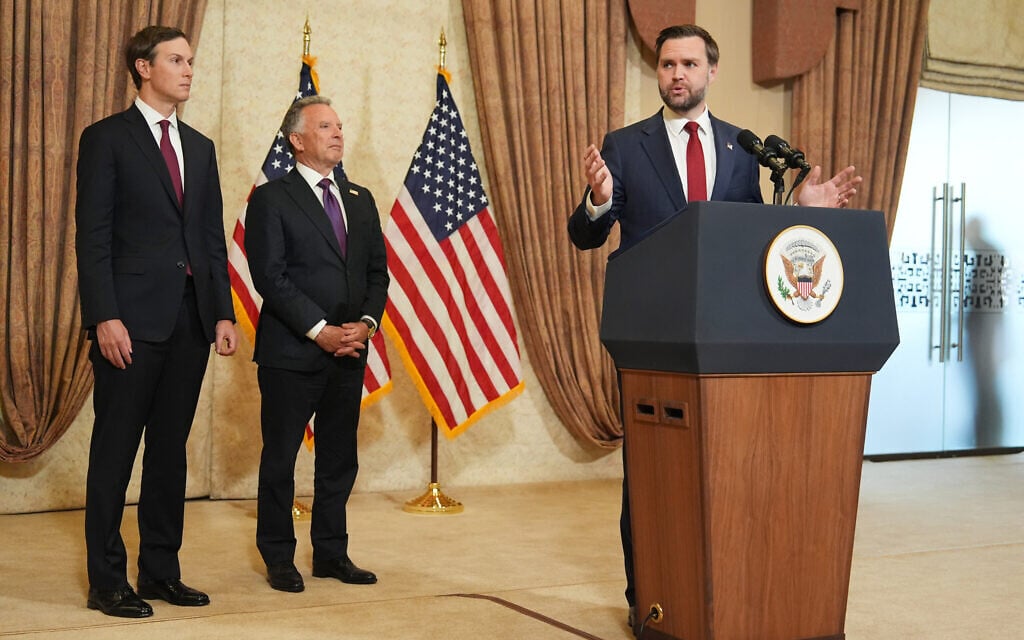
May 23, 2026
Trump declares Iran peace MOU largely negotiated
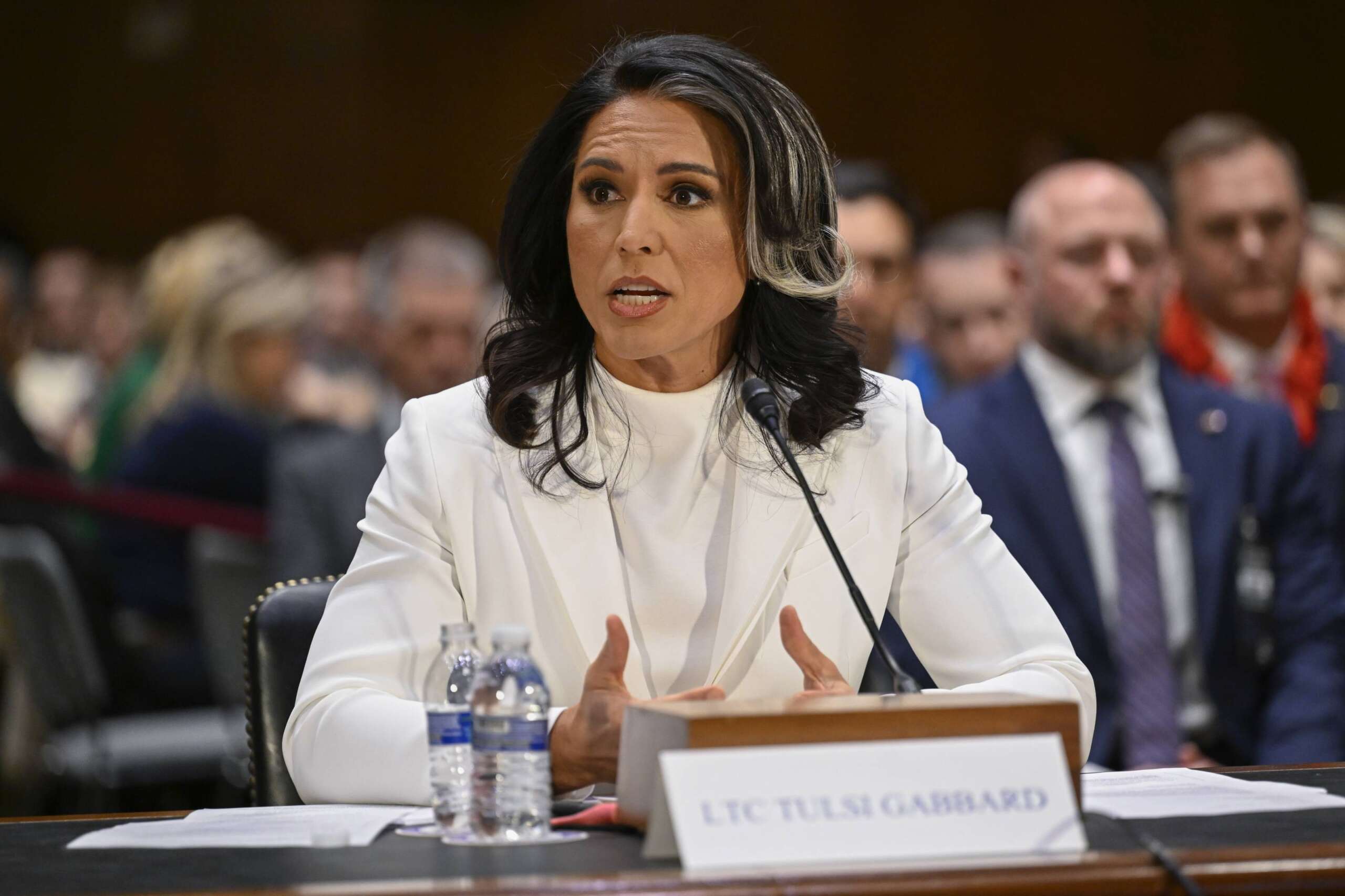
May 22, 2026
Gabbard resigns as director of national intelligence
May 21, 2026
House GOP cancels Iran war powers vote, shielding Trump from rebuke
May 21, 2026
Supreme Court rules cruise lines liable for Cuba's confiscated docks

May 20, 2026
DOJ indicts Raul Castro over 1996 Brothers to the Rescue shootdown
View All Foreign Policy Topics
322 topics
26 questions
Start the review