Foreign Policy · Government·January 12, 2026
Trump threatens EU with tariffs over tech regulations
U.S. uses trade threats to block European content moderation rules

Trump threatened the European Union with tariffs in early Jan. 2026 unless it rolls back tech regulations targeting U.S. companies. The administration specifically opposes the EU's Digital Services Act, which requires platforms to moderate harmful content and increase transparency. Meta CEO Mark Zuckerberg said in Jan. 2025 he wanted an ally in the White House to fight foreign regulations pushing American firms to 'censor more' content.
The Trump administration blocked a prominent tech safety researcher and an EU regulator from entering the U.S. in Dec. 2025. Officials also threatened penalties against European tech firms. These moves escalated tensions beyond rhetoric into concrete actions restricting travel and threatening economic consequences.
The dispute centers on fundamental disagreement over tech regulation philosophy. European regulators say guardrails like content moderation requirements promote online safety, free speech, and industry competition. The Trump administration argues these rules restrict American companies while protecting European competitors and imposing censorship.
The EU prepared to strengthen tech enforcement in 2026 with tougher implementation of existing laws. European officials publicly stated they won't back down on content moderation requirements or antitrust rules. The EU has positioned itself as the global leader in tech-related legislation over the past five years.
Trump has used tariff threats as central foreign policy strategy across multiple issues. His 'America First Trade Policy' memorandum directs the administration to review various tariff levers. The tech regulation dispute adds another front to existing trade tensions over manufacturing, agriculture, and digital services taxes.
The clash could weigh on broader U.S.-EU trade negotiations scheduled for 2026. Trade analysts warn that tech regulation disagreements might derail talks on other economic cooperation areas. European officials face pressure to protect both their regulatory framework and transatlantic trade relationships.
Meta, Google, and X are the primary U.S. companies affected by EU tech regulations
The Digital Services Act imposes transparency requirements, content moderation standards, and data sharing rules
Violations can result in fines up to 6% of global annual revenue The EU has already opened investigations into several U.S. tech giants for potential violations.
Related Topics
6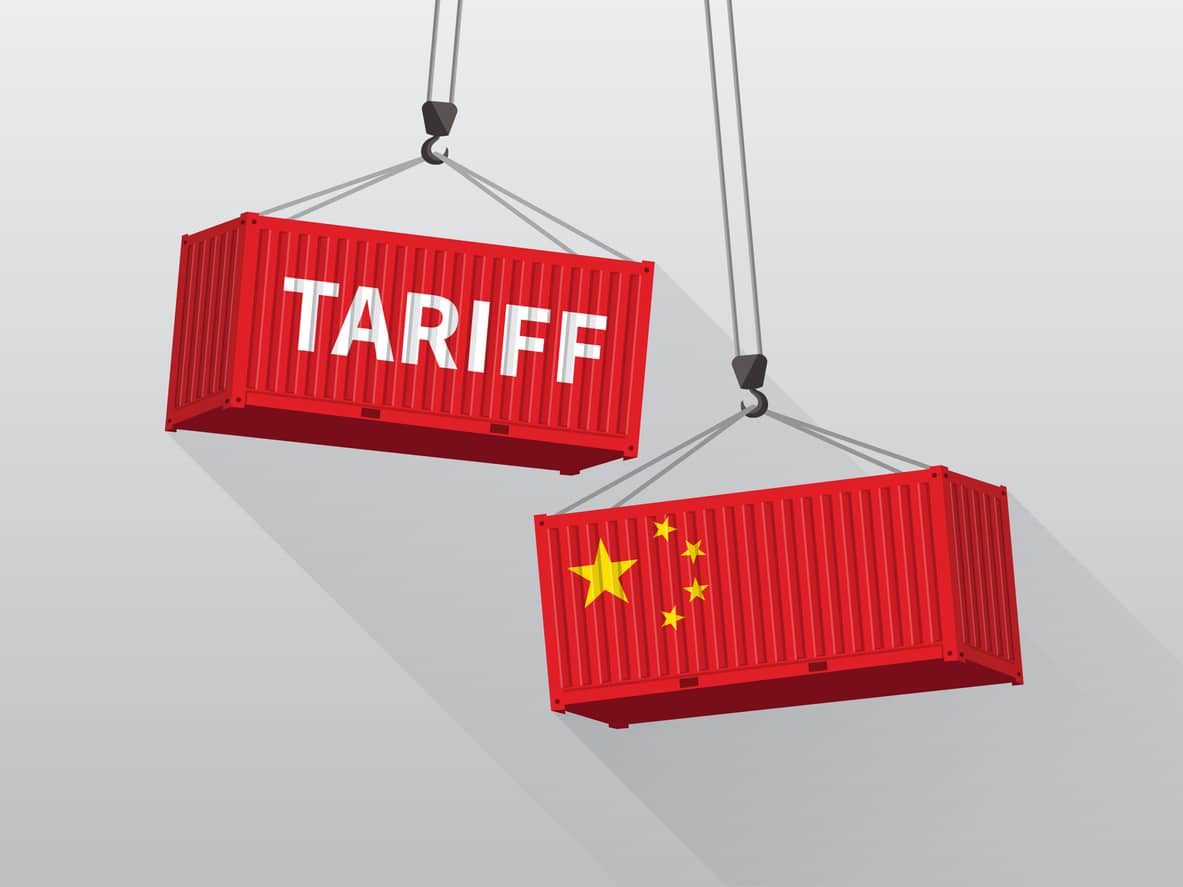
Trump imposes 25 percent tariff on Iran trading partners creating global trade uncertainty
Vague tariff order creates uncertainty for China, India, Turkey trade

They all promised no regime change in Iran. The record says otherwise
Trump, Vance, Hegseth, Rubio said it. Greene and Carlson documented the betrayal

Spain bars U.S. from using NATO bases for Iran war. Trump threatens trade cutoff
NATO allies refuse base access as Trump launches a war without consulting them
Trump launches $1M gold card program for green cards
Pay-to-play green cards take visa slots from nurses, engineers waiting years

Zelenskyy claims Ukraine peace plan 90% complete
Security guarantees agreed, but territorial disputes remain unresolved

State Dept. refuses to rescind 250 Foreign Service layoffs
Trump admin says court order only delays foreign service layoffs, doesn't reverse them
17 questions
Start the review