February 19, 2026
Trump praises FBI's Fulton County ballot seizure at Georgia rally
DNI Gabbard''s presence at a domestic FBI raid violated her statutory authority
Breaking📜Constitutional Law⚖️Justice🗳️Elections
February 19, 2026
DNI Gabbard''s presence at a domestic FBI raid violated her statutory authority
The FBI executed a search warrant on January 28, 2026 at the Fulton County Elections Hub and Operations Center in Union City, Georgia, seizing approximately 700 boxes of materials including physical ballots, ballot images, tabulator tapes, and voter rolls from the 2020 presidential election. The warrant was signed by U.S. Magistrate Judge Catherine M. Salinas. Fulton County Board of Commissioners Chair Robb Pitts said the ballots had been secure at the facility before the seizure.
 Tulsi Gabbard, the Director of National Intelligence, was present at the January 28 raid — an action with no known precedent. The DNI oversees the United States Intelligence Community's 18 agencies (CIA, NSA, DIA, and others) and is explicitly prohibited by the Intelligence Reform and Terrorism Prevention Act of 2004 from participating in domestic law enforcement. Gabbard told lawmakers that Trump personally directed her to attend. She then facilitated a phone call in which Trump praised the FBI agents who conducted the raid.
At his Rome, Georgia rally on February 19, 2026, Trump celebrated the raid: "They came in, they took all those ballots; all those crooked ballots were taken. The Democrats are fighting like hell. Because they cheated like dogs." These claims of widespread fraud in Fulton County's 2020 ballots have been rejected by the Georgia Secretary of State's office, the Georgia State Election Board, multiple court rulings, a risk-limiting audit, a hand recount, a machine recount, and Trump's own former Attorney General  William Barr, who told Trump's Justice Department it found no evidence of fraud sufficient to change the election outcome.
The FBI's search warrant affidavit cited election fraud allegations that investigators say had already been adjudicated or debunked. NPR and the Washington Post reported that the affidavit omitted key findings from Georgia state investigators that undercut many of the claims. The criminal investigation was triggered by a referral from Kurt Olsen, who advised Trump during his 2020 efforts to overturn the election and now serves as Trump's "director of election security and integrity." The search warrant was authorized under Title 52 of the U.S. Code, sections 20701 and 20511, governing preservation of election records and prohibiting false election activity.
Over 60 courts — including judges appointed by Republican presidents and by Trump himself — rejected claims of widespread fraud in the 2020 presidential election. The Fulton County-specific claims Trump raised at the Rome rally included allegations about "ballot suitcases" and 315,000 unsigned early votes that Georgia's State Election Board had already cleared unanimously in 2024. One America News Network settled a lawsuit brought by two Fulton County election workers who had been falsely accused of fraud, issuing an on-air retraction.
The NAACP filed a court motion asking a judge to bar the government from using seized voter data for any purpose beyond the stated criminal investigation — specifically prohibiting its use for voter roll maintenance, election administration, or immigration enforcement. The NAACP argued that Fulton County voters entrusted the state with sensitive personal information when they registered to vote, and that the seizure 'breached that guarantee and infringed constitutional protections of privacy.' Fulton County is majority Black, and civil rights groups noted the particular vulnerability of its residents' data.
Democratic Senators  Mark Warner (vice chair of the Senate Intelligence Committee) and Jim Himes (ranking member of the House Intelligence Committee) sent letters demanding Gabbard explain her role. The Senate Intelligence Committee called Gabbard to testify publicly. Gabbard's stated justification was her 'broad statutory authority to coordinate, integrate, and analyze intelligence related to election security, including counterintelligence, foreign and other malign influence, and cybersecurity.' Legal analysts said this justification was a significant stretch of DNI authority, which Congress designed for foreign intelligence, not domestic election investigations.
Historical context: The 1975 Church Committee found that presidents from FDR through Nixon had repeatedly used the FBI and CIA for domestic political surveillance — compiling files on civil rights leaders, surveilling political opponents, and targeting journalists. That investigation produced the Foreign Intelligence Surveillance Act (1978), permanent Senate and House intelligence oversight committees, and executive orders banning political assassinations. The IRTPA of 2004 further codified the separation between the intelligence community and domestic law enforcement. Gabbard's presence at the Fulton County raid echoed those earlier abuses by bypassing the legal firewall Congress constructed to prevent exactly this kind of executive overreach.
The DOJ separately sued Fulton County in December 2025 to force release of all used and void ballots, signature envelopes, and digital records from 2020, with the suit led by Assistant Attorney General Harmeet Dhillon. The DOJ's initial demand was sent to the wrong entity (the Fulton County Election Board rather than the Fulton County Clerk), suggesting procedural sloppiness in a high-stakes legal campaign. By the time of Trump's February 19 rally, the Trump administration had sued 18 states as part of a broader campaign to access voter data.
President of the United States (since January 20, 2025)
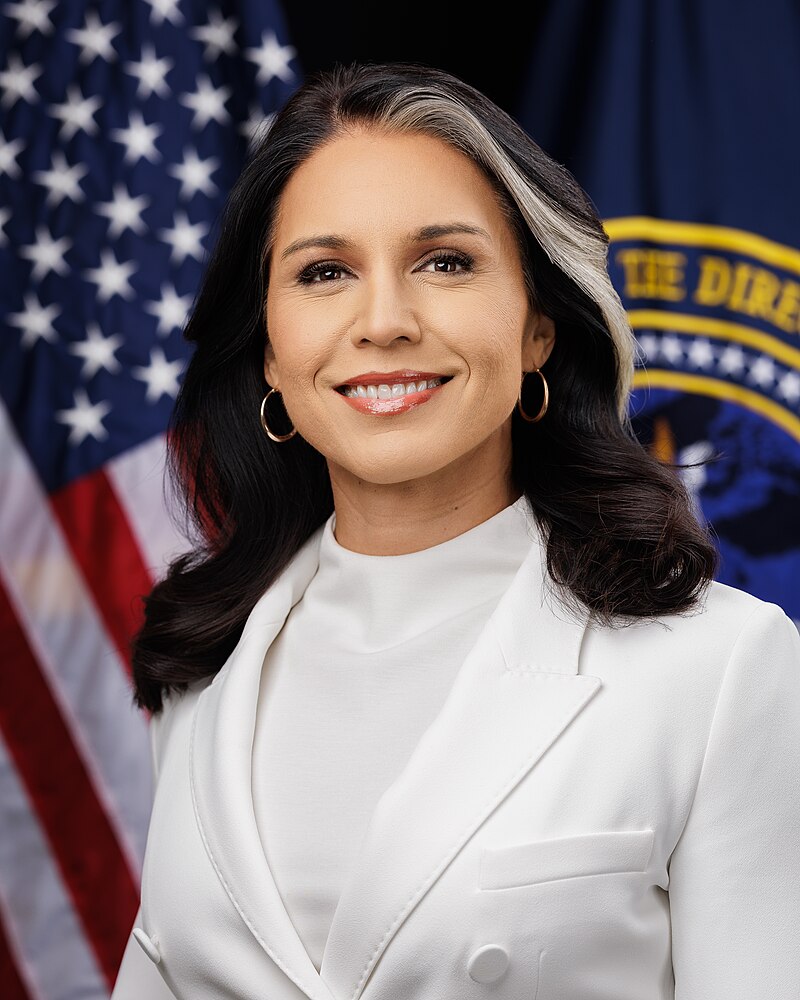
Director of National Intelligence (DNI) since January 2025
Trump's director of election security and integrity; former Trump legal adviser on 2020 election challenges
Chair, Fulton County Board of Commissioners
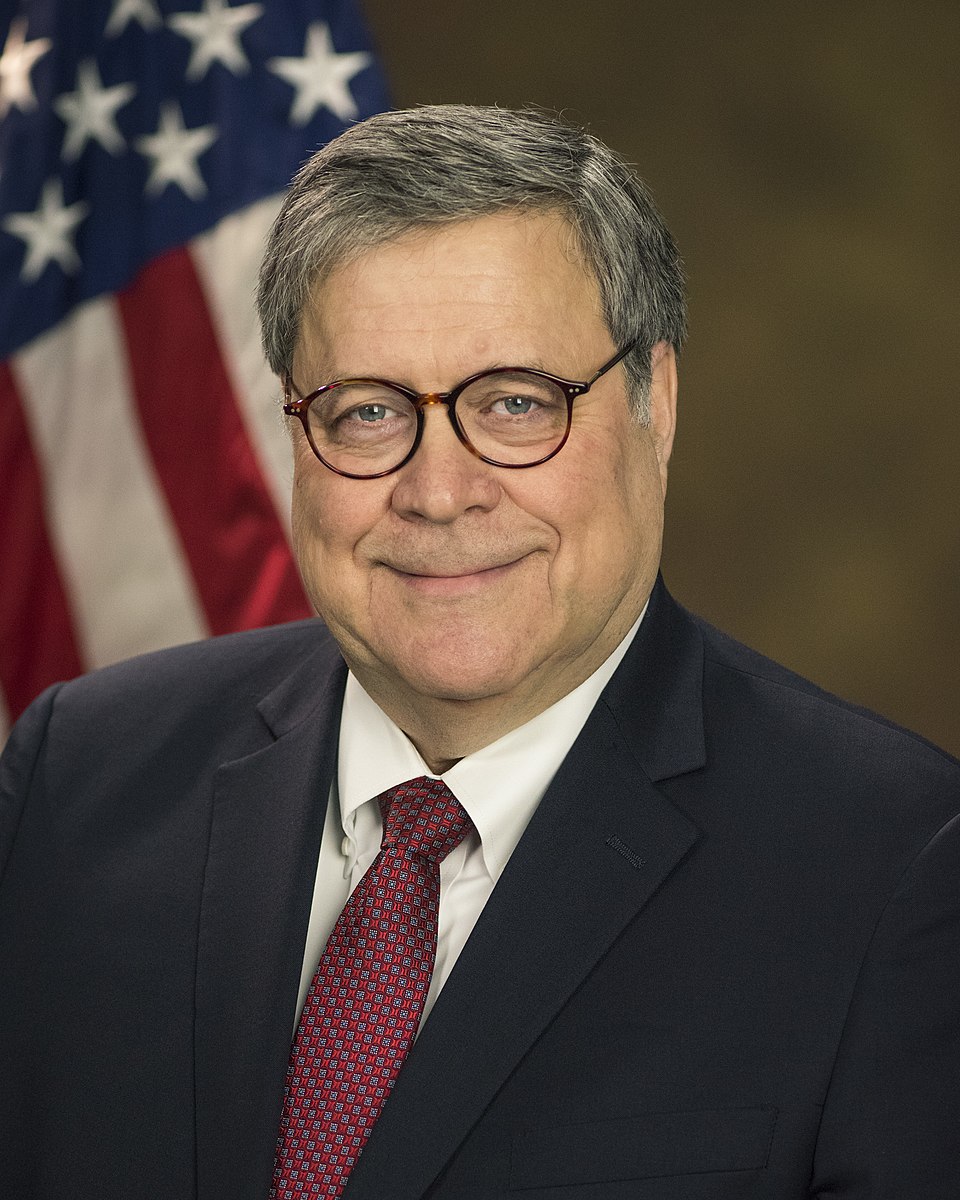
Former U.S. Attorney General (Trump's first term, 2019–December 2020)

U.S. Senator (D-VA); Vice Chair, Senate Select Committee on Intelligence
Assistant Attorney General, Civil Rights Division (Trump administration, 2025)
civic action
Contact the Senate Intelligence Committee about DNI oversight
The Senate Select Committee on Intelligence has jurisdiction over the DNI's conduct. If you believe Gabbard's participation in a domestic FBI raid violated the law, you can contact your Senator and ask them to support the committee's investigation. The committee can compel testimony and request documents.
I'm a constituent calling about the Senate Intelligence Committee's investigation of DNI Gabbard's participation in the January 28 Fulton County raid. I believe this may violate the Intelligence Reform and Terrorism Prevention Act of 2004. I'm asking Senator [name] to support full public hearings and document production on this matter.
research
Track the NAACP's court action to protect Fulton County voter data
The NAACP asked a federal judge to bar the government from using seized voter data for immigration enforcement or other purposes beyond the criminal investigation. You can follow this case through Democracy Docket, which tracks voting rights litigation nationwide and publishes case documents publicly.
Visit Democracy Docket and search for 'Fulton County' to find the NAACP court motion and any rulings. Share the case updates with your networks so voters know the status of their data.
research
Read the Georgia Secretary of State's public audit findings on Fulton County
Georgia conducted a risk-limiting audit, a hand recount, and a machine recount of the 2020 election. The State Election Board cleared Fulton County of the specific fraud allegations Trump cited at his rally. These official documents are publicly available and give you the government's own findings against which to evaluate Trump's claims.
Read the State Election Board's official findings, which cleared Fulton County. Then compare those findings to the specific claims Trump made at his February 19 rally to evaluate whether the fraud allegations have been substantiated.