March 14, 2026
Trump grants 30-day Russia oil sanctions waiver as Iran war spikes energy prices

Iran war created the oil crisis that Trump is now solving by funding Putin
🌍Foreign Policy💰Economy📈Trade
March 14, 2026
Iran war created the oil crisis that Trump is now solving by funding Putin
"The Russia sanctions the U.S. eased on March 13 were part of the Western coalition's response to Russia's 2022 invasion of Ukraine. The U.S., EU, UK, Canada, and others had built an extensive sanctions architecture targeting Russian energy exports — including measures targeting the so-called 'shadow fleet' of tankers Russia uses to move oil outside Western-controlled markets. By March 2026, roughly 124 million barrels of Russian oil sat aboard ships in international waters, stranded because buyers were avoiding sanctioned Russian cargo.\n\nThe Iran war's shutdown of the Strait of Hormuz created a different problem: about one-fifth of global oil and LNG shipments normally pass through the strait. With those flows halted, oil prices climbed toward $100 per barrel, threatening to deepen into a global economic crisis. The Trump administration decided to release the stranded Russian oil into the market as a pressure valve."
"Treasury Secretary Scott Bessent announced the waiver on March 13. The license applied to Russian crude and petroleum products loaded onto vessels as of March 12 and authorized those cargoes to be purchased and delivered through April 11 — a 30-day window. Bessent described the measure as 'narrowly tailored' and argued it would 'not provide significant financial benefit to the Russian government' because the oil was already at sea and had already been loaded.\n\nCritics challenged that framing. The Kyiv Independent described the move as a 'jackpot for Putin,' noting that any revenue flowing from the sale of Russian oil ultimately helps fund Russia's military operations in Ukraine. Ukrainian President Zelensky said the waiver 'certainly does not help peace' and warned that billions in revenue would flow to the Kremlin. The distinction Bessent drew — between oil already loaded versus new production — struck many Ukraine supporters as a technical justification for substantively undermining the sanctions regime."
"European allies pushed back formally. German Chancellor  Friedrich Merz said the EU believed 'it is wrong to ease the sanctions' and promised Germany wouldn't allow the Iran war to distract it from supporting Ukraine. The EU issued its own statement pushing back on the U.S. decision. Canada's Prime Minister
  Mark Carney said his government would maintain its sanctions on Russian oil, including the shadow fleet.\n\nThe split between the U.S. and its traditional allies over Russia sanctions wasn't new — the Trump administration had signaled since taking office in 2025 that it viewed the Ukraine conflict differently from the Biden administration. But the March 13 waiver marked the first time the U.S. actively eased Russia sanctions in a way that directly benefited Russian oil revenues, even temporarily, since the invasion."
"Oil prices stayed high even after the waiver announcement. The market signal was that 124 million barrels of stranded Russian oil — even if released — wasn't enough to offset the sustained closure of the Strait of Hormuz. Analysts noted that Iranian closure of the strait was more significant than any single batch of Russian tankers. Shipping companies, cargo insurers, and energy traders remained cautious.\n\nThe waiver also raised a structural question about the sanctions coalition: if the U.S. waives Russia sanctions under energy pressure, what prevents other countries from doing the same? Senate Democrats and some Republicans who had supported Ukraine aid argued the waiver sent a signal that the Russia sanctions architecture could be suspended whenever it became economically inconvenient — a message they warned Russia would absorb."
"The move fit into a broader pattern of the Trump administration's relationship with Russia since 2025. Trump had pushed NATO allies to reduce direct military support for Ukraine, engaged in bilateral communications with Russian President  Vladimir Putin, and declined to impose new sanctions when Russia resumed offensive operations in eastern Ukraine. The Iran war created a new leverage point: Russia was simultaneously supplying Iran with satellite targeting data on U.S. warships in the Middle East — a fact Congress had already flagged — while the U.S. was now waiving Russian oil sanctions to manage the economic fallout from that same war."
Secretary of the Treasury
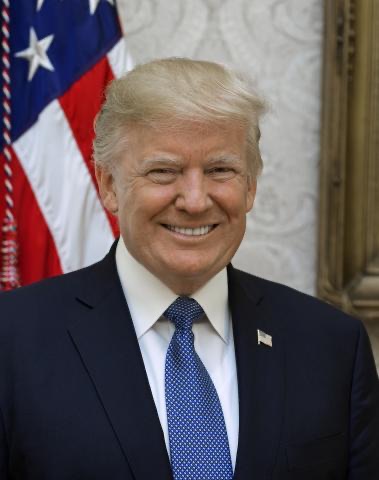
President of the United States
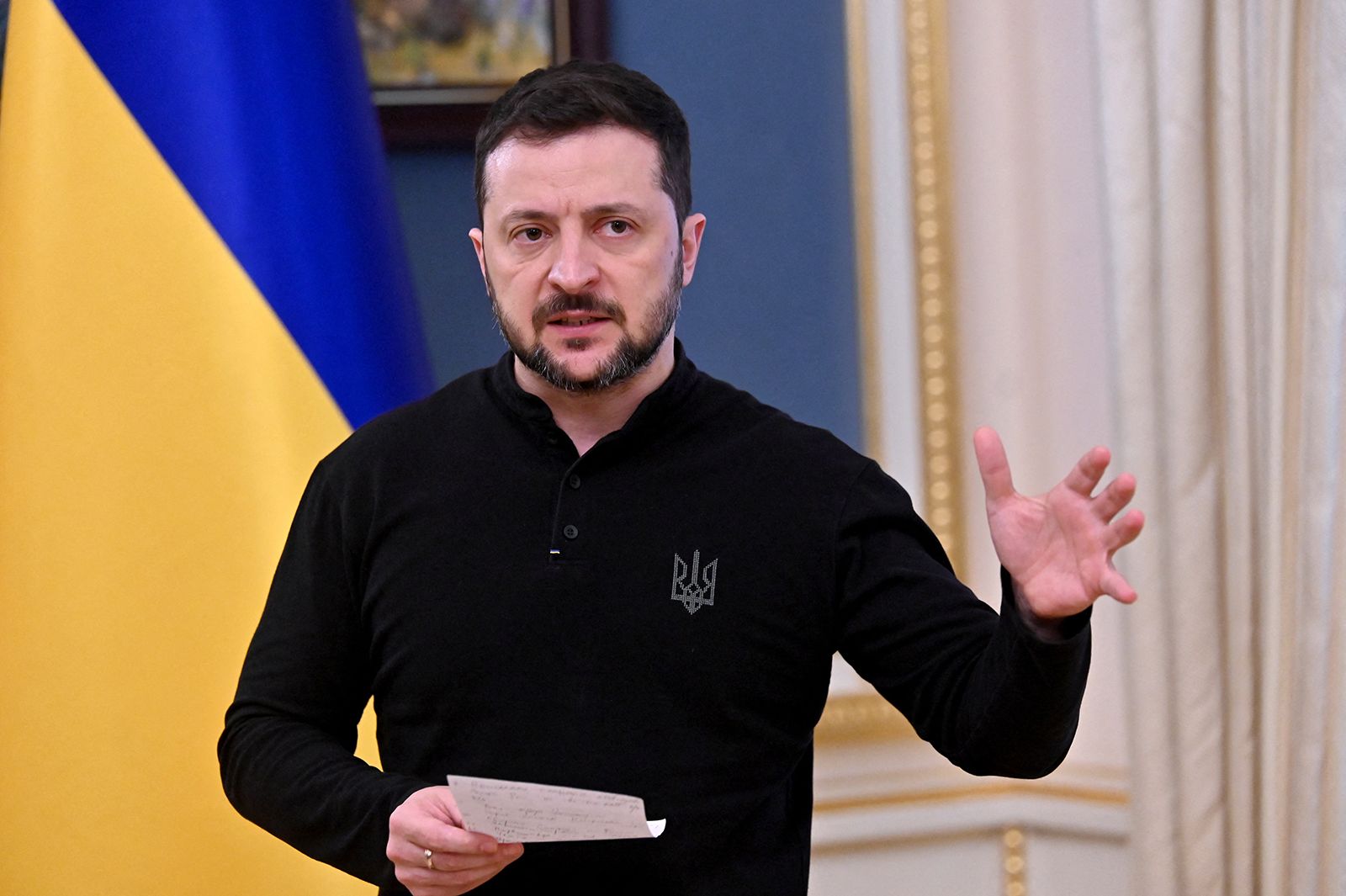
President of Ukraine
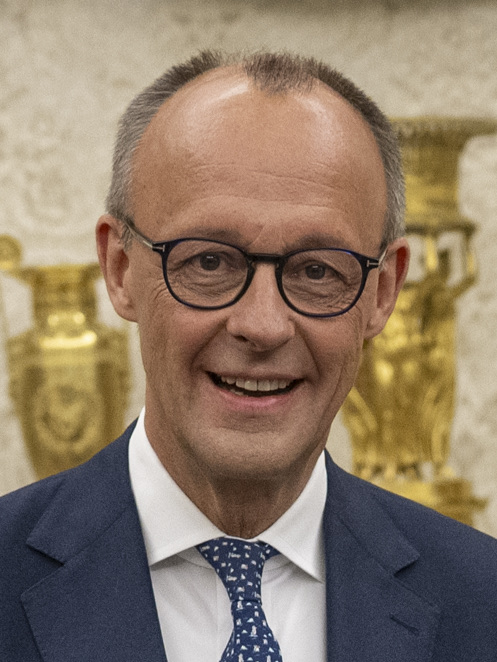
Chancellor of Germany
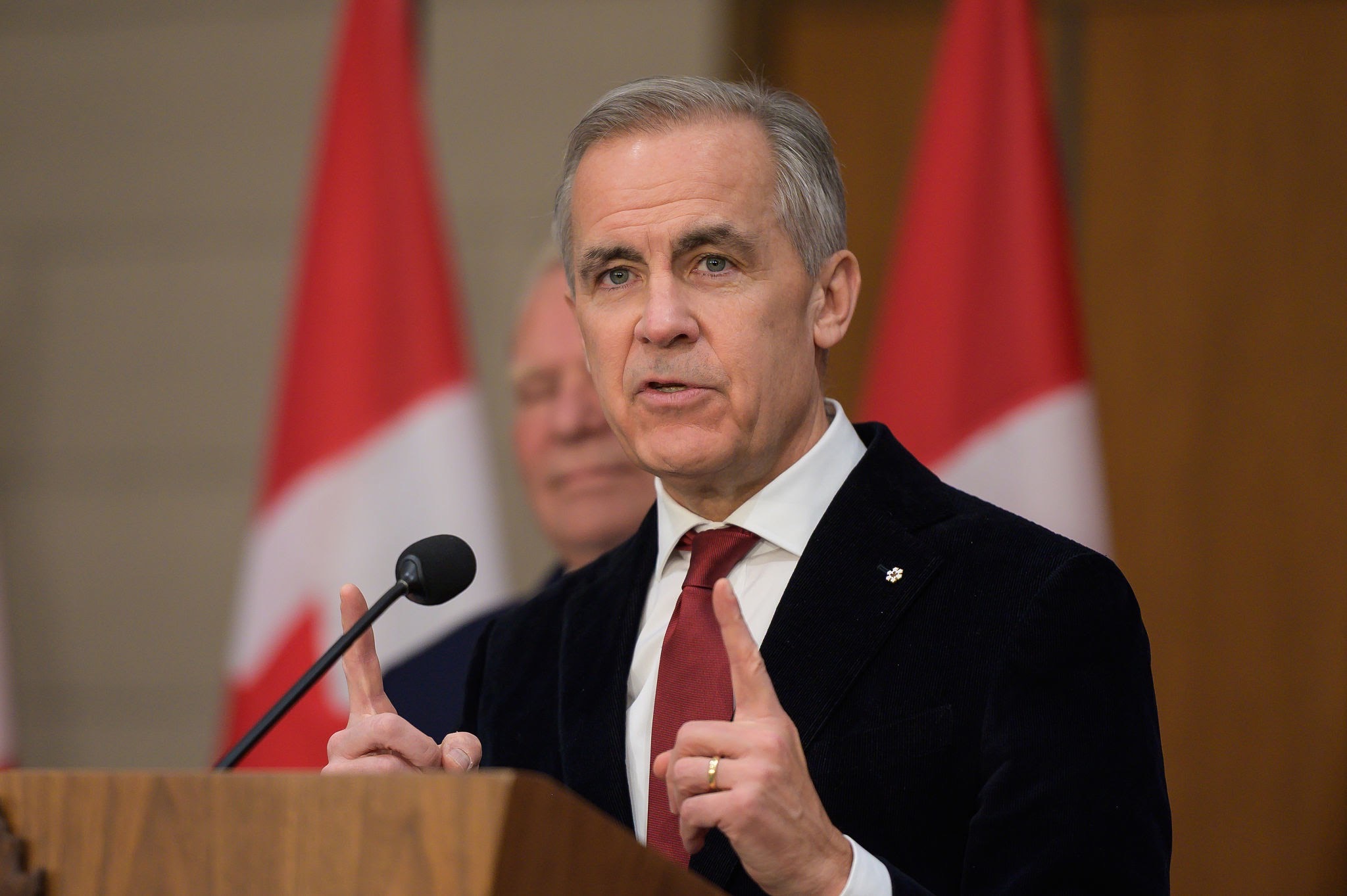
Prime Minister of Canada
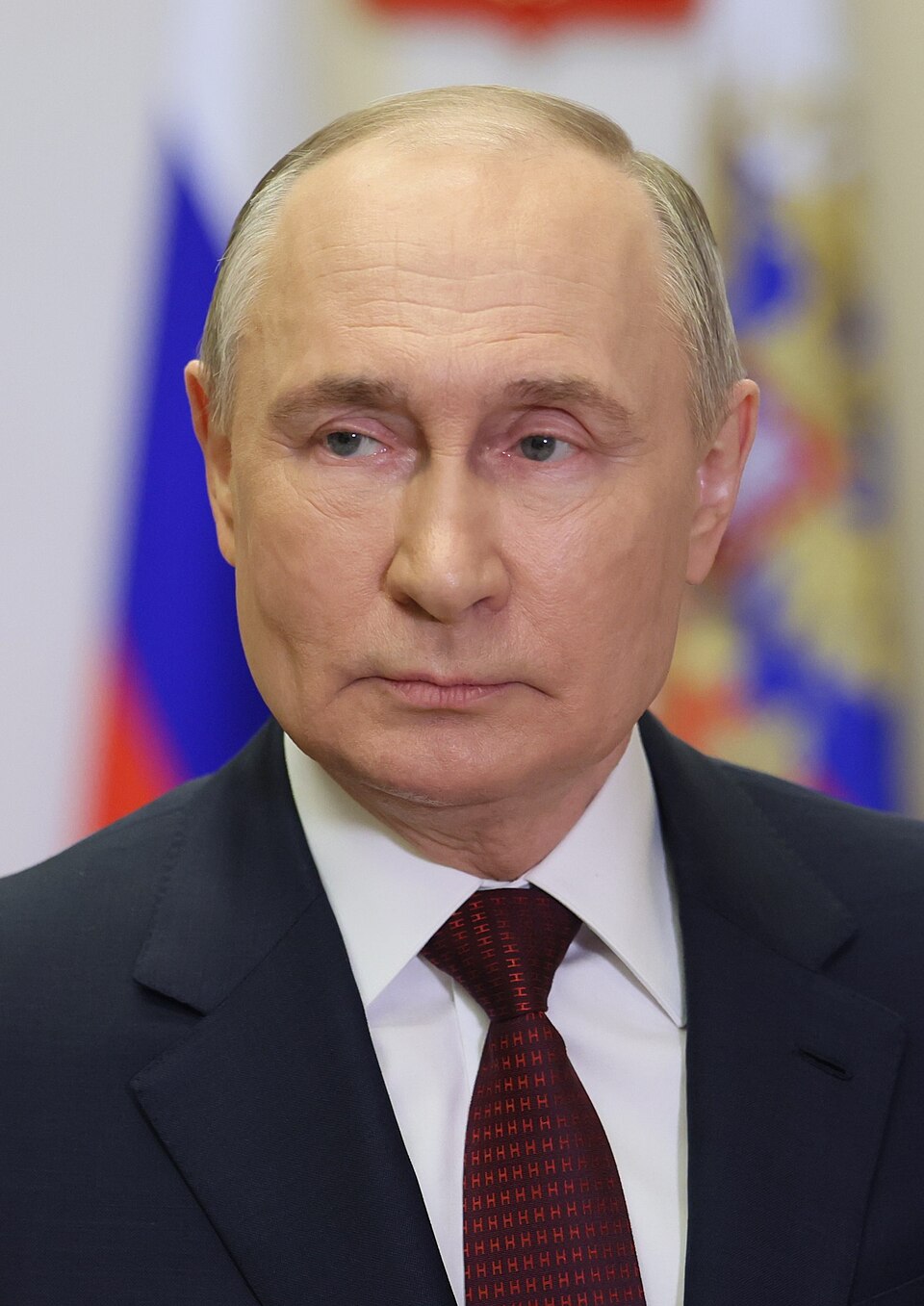
President of Russia
Under Secretary of the Treasury for Terrorism and Financial Intelligence (context)
civic action
Contact your senators and representatives to demand a review of the Russia sanctions waiver
Congress passed extensive Russia sanctions legislation after the 2022 invasion of Ukraine. The executive branch has authority to issue waivers, but Congress can pass legislation limiting that authority or demanding formal justification. Calling your members of Congress puts pressure on them to hold hearings and demand OFAC documentation.
Hi, my name is [name] from [city]. I'm calling to ask Senator [name] to demand congressional review of the Treasury Department's March 13 waiver on Russian oil sanctions. This waiver allows purchase of roughly 124 million barrels of Russian oil, and Ukraine and our European allies have warned it funds Russia's military. Will the senator call for oversight hearings and demand Treasury explain how this waiver was legally justified?