Civil RightsElectionsElectoral SystemsLegislative Process
March 8, 2026Trump halts all legislation until voter ID bill passes Senate
21 million Americans lack the documents the bill requires to register to vote

Photo: Getty Images
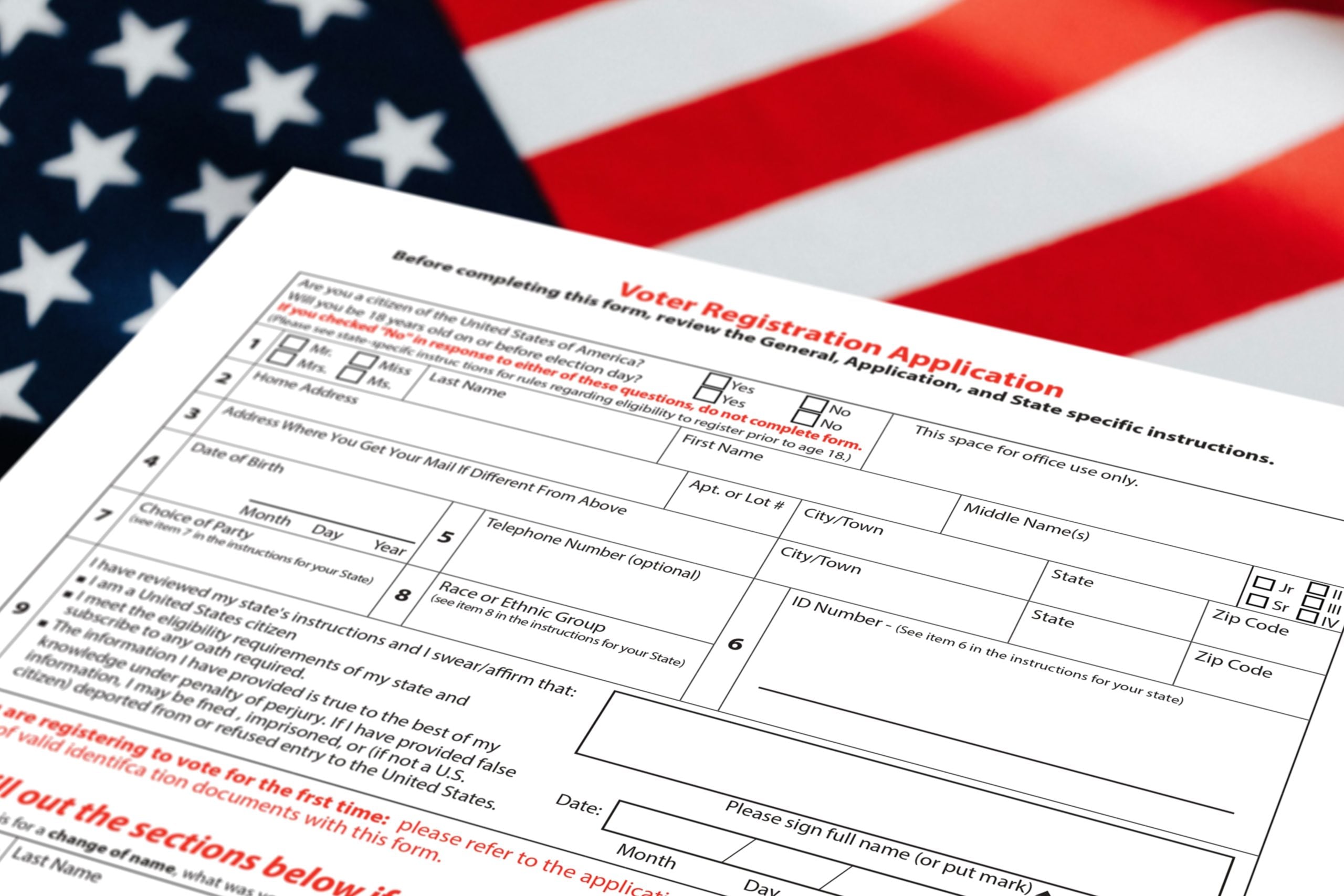
The SAVE America Act — formally the Safeguard American Voter Eligibility Act — requires anyone registering to vote in a federal election to present documentary proof of U.S. citizenship. A passport, birth certificate, or REAL ID with citizenship notation would qualify. A standard driver's license would not.
Under current federal law, Americans register by signing a form under penalty of perjury attesting they are citizens. The SAVE Act replaces that sworn attestation with a document check. The bill also requires states to cross-check voter rolls against DHS's Systematic Alien Verification for Entitlements database. Independent research has found no evidence of widespread noncitizen voter registration. The Congressional Research Service and multiple state election officials have confirmed noncitizen voting is already a federal crime punishable by deportation and imprisonment. Congress.gov FactCheck.org
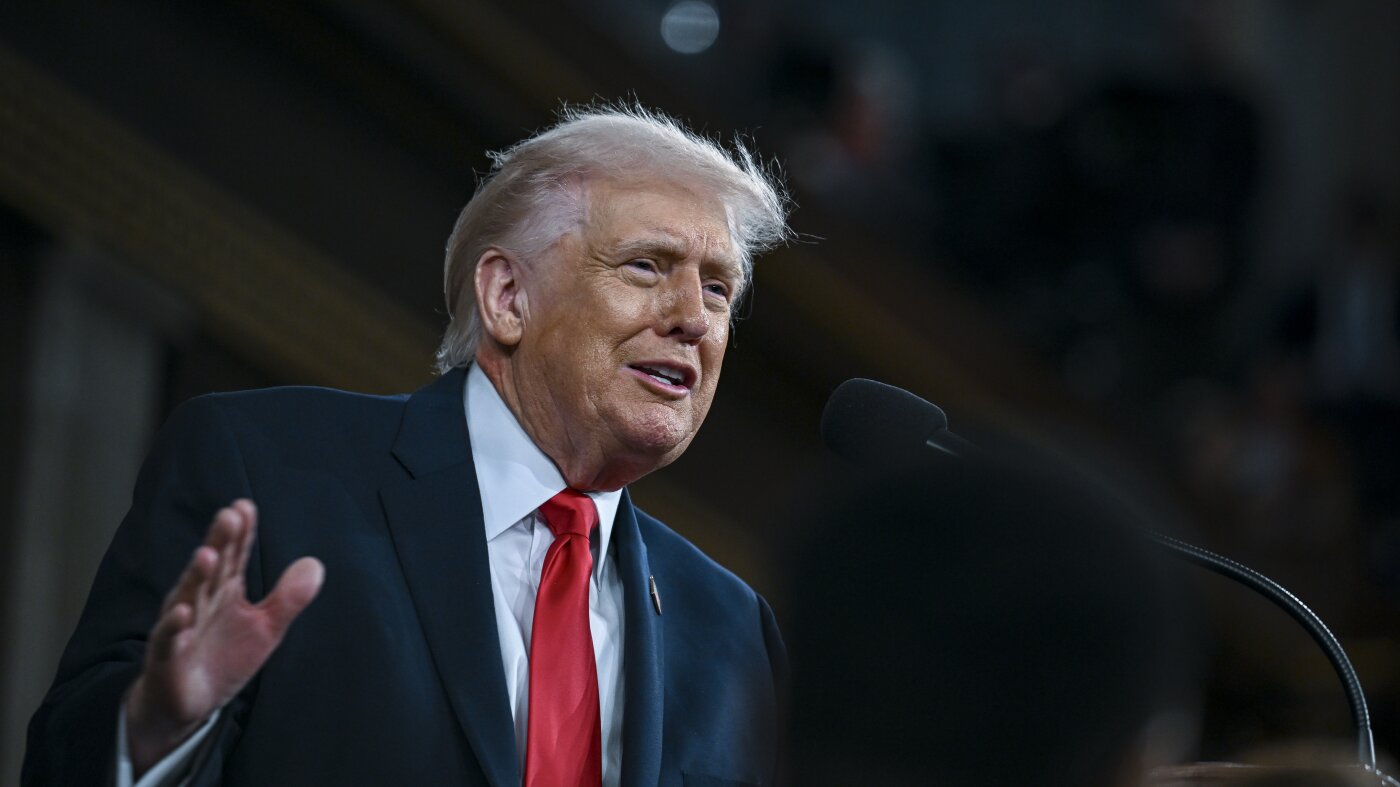
Trump posted the ultimatum on Truth Social on March 8, writing: 'It must be done immediately. It supersedes everything else. MUST GO TO THE FRONT OF THE LINE... I, as President, will not sign other Bills until this is passed.' That statement froze the legislative calendar.
Congress was already managing an active war, a partial DHS shutdown, and pending budget deadlines. Every bill waiting for Trump's signature, including emergency war authorization and disaster relief, sat behind the SAVE Act. The White House also said it wanted the bill to include transgender sports bans and restrictions on gender-affirming care for minors, widening the legislation's scope and adding more sticking points for the moderates whose votes any path forward required. CNBC NPR
The bill passed the House of Representatives in February 2026. In the , Republicans hold 53 seats, enough for a simple majority, but not enough to overcome a . The filibuster requires 60 votes to end debate and bring a bill to a final vote.
Majority Leader John Thune of South Dakota said 'there aren't anywhere close to the votes' needed to change the Senate's rule. Senator Lisa Murkowski of Alaska was among the Republicans who explicitly opposed any rule change. Eliminating the filibuster would also allow future Democratic majorities to pass legislation Republicans oppose without any Republican input, a risk Thune said outweighed the short-term advantage. NPR The Hill
Only about 48% of Americans currently hold a valid U.S. passport, according to State Department data. Passports cost $165 for adults. More than 21 million Americans lack any of the documents the bill would accept for voter registration, according to analysis by the Brennan Center for Justice.
The Bipartisan Policy Center found that people of color, young voters, elderly voters, and low-income Americans are significantly more likely to lack qualifying documents. Rural voters in states like Alaska, where Murkowski represents, have historically lower rates of passport ownership, a political reality that complicated Murkowski's position on the bill. Brennan Center Redistricting Foundation
Senate Minority Leader Chuck Schumer said flatly: 'Senate Democrats will not help pass the SAVE Act under any circumstances.' He called Trump's ultimatum an invitation to gridlock. Thune acknowledged the votes weren't there to break the filibuster, leaving the bill stuck without a rule change.
Some Republicans with competitive 2026 races were privately uneasy with the standoff. Going on record for inaction during a war and a weak economy carried political risk. Democrats saw the ultimatum as leverage: if Trump wouldn't sign relief bills without SAVE, they could force tradeoffs on other priorities. Republicans with disaster relief needs in their states were caught between loyalty to Trump and constituent pressure. CNBC NPR
The ruled on proof-of-citizenship requirements in Arizona v. Inter Tribal Council of Arizona, Inc. in 2013. The Court said states cannot impose citizenship documentation requirements that go beyond what federal law permits when registering for federal elections. Arizona had required a birth certificate or passport. The Court found it violated the , which requires states to accept a simple oath from applicants that they are citizens.
The SAVE Act tries to get around this ruling by amending the NVRA directly, changing federal law rather than just state law. That changes the legal landscape but doesn't erase the question of whether stricter requirements serve a compelling government interest strong enough to survive a constitutional challenge on or voting rights grounds. Campaign Legal Center FactCheck.org
The SAVE Act would rewrite the National Voter Registration Act fundamentally. Under current federal 'motor voter' rules, people registering at DMVs and benefits offices provide a Social Security number and sign a form attesting they are citizens. States must accept or reject based on SSN verification against DHS and Social Security Administration records.
The SAVE Act would replace that system with a document-based check, shifting the burden to voters to produce proof rather than to states to verify citizenship through databases. This requires either millions of passport acquisitions or reliance on birth certificates and state IDs. Birth certificates are not standardized across states and can be difficult to obtain for people born at home, in rural areas, or in states with poor vital records . Brennan Center Campaign Legal Center
Noncitizen voting is documented but prosecutions are rare. The Congressional Research Service examined data from 2016 through 2022 and found roughly 100 documented cases of noncitizens voting out of hundreds of millions of ballots cast, a rate of about 0.0001%. State election officials and the Heritage Foundation's own database of alleged fraud cases show no evidence of organized noncitizen voting.
The cases that exist are typically individual mistakes: people who mistakenly thought permanent residency conferred voting rights, or who were registered by without understanding the eligibility rules. Most documented cases result in criminal prosecution and deportation. FactCheck.org
Kris Kobach, now U.S. Attorney General, wrote Kansas's proof-of-citizenship law in 2013 when he was . From 2013 to 2020, Kansas blocked 31,000 voters from registering under that law, roughly 70% of them U.S. citizens who simply lacked the required documentation at the moment of registration. After struck the law down, Kobach's office was forced to issue voter registration affidavits to thousands who had been blocked.
The SAVE Act's supporters argue the new federal bill is structured differently to survive that legal challenge, but the Kansas documented that aggressive citizenship requirements blocked eligible voters at a rate roughly 70 times higher than the number of ineligible registrants ever identified. The bill's opponents cite Kobach's track record as direct evidence of the legislation's practical effect. Campaign Legal Center Redistricting Foundation
Trump's legislative ultimatum froze bills in committee and on the floor. War funding stalled. Emergency disaster relief couldn't advance. A pending supplemental appropriation for DHS stayed stuck. Senate Democrats saw this as leverage: if Trump won't sign relief bills without SAVE, they could force tradeoffs on other priorities.
Republicans with disaster relief needs in their states were caught between loyalty to Trump and constituent pressure. Thune promised a vote on SAVE but declined to change the rules, leaving the bill unable to advance and the calendar unable to move. As of March 8, the situation remained a standoff with no clear resolution timeline. CNBC The Hill
The Help America Vote Act of 2002 set the existing federal baseline for voter registration identification. Under HAVA, voters who register by mail and vote for the first time must provide a driver's license number or the last four digits of their Social Security number. If they can't, they can cast a provisional ballot later verified against federal databases. The SAVE Act would override this system for all federal elections, not just first-time mail registrants.
Sean Morales-Doyle, director of the Voting Rights and Elections Program at the Brennan Center for Justice, said the SAVE Act is 'not a voter ID law' but 'a show-your-papers law.' Legal scholars at the Campaign Legal Center argued the bill may conflict with the 24th Amendment, which prohibits conditioning the right to vote in federal elections on payment of a poll tax or 'other tax.' A $165 passport fee, they argued, functions as a financial barrier to voting that mirrors the poll taxes the amendment was written to ban. Brennan Center Campaign Legal Center
Related Topics
6
DOJ quietly offered states secret deals to purge voter rolls
The DOJ privately offered to purge voters from unverified federal lists — with no public notice required
House passes SAVE America Act 218-213, sending proof-of-citizenship voting bill to Senate
GOP passes SAVE Act requiring 21 million eligible voters to show citizenship documents
Trump delivers first formal State of the Union of his second term
DHS shutdown, Iran buildup, and SCOTUS tariff loss frame the address
States passed 31 restrictive and 30 expansive voting laws in 2025, the most even split since tracking began
The near-even split reflects a decade of post-Shelby County backlash playing out simultaneously in statehouses
Spanberger delivers Democratic SOTU response from Colonial Williamsburg
First woman governor of Virginia asks three questions Trump can't answer on costs and safety

Indiana Senate rejects Trump redistricting as 21 GOP defect
First GOP-led state rejects Trump as 21 Republicans face swatting, death threats
19 questions
Start the review