National Security · Constitutional Law · Foreign Policy·February 22, 2026
US deploys F-22 fighters to Israel for first time amid escalating Iran tensions
Largest U.S. military buildup in the Middle East since the 2003 Iraq invasion

By Feb. 22, 2026, the U.S. had deployed two carrier strike groups to the Middle East simultaneously: the USS Abraham Lincoln (CVN-72) since late January, and the USS Gerald R. Ford (CVN-78), spotted near Gibraltar on Feb. 20 en route to Israel's coast. A two-carrier deployment is rare; five carriers assembled at the outset of Operation Iraqi Freedom in 2003 — the last time the region saw comparable force concentration.
B-52 strategic bombers and B-2 Spirit stealth aircraft were placed on heightened readiness. These are the same aircraft used in Operation Midnight Hammer, the June 2025 strikes on Iran's Fordow, Natanz, and Isfahan nuclear facilities. Their alert status indicated planners were prepared for multiple waves of strikes, not a single discrete operation.
Senior national security officials met in the White House Situation Room on Feb. 18 to discuss the Iran situation. Trump was briefed the same day by special envoy Steve Witkoff and Jared Kushner about indirect talks with Iran that occurred Feb. 17. CNN reported that military sources told them the U.S. was prepared to strike as early as Feb. 21, though Trump had not yet authorized action.
Iran's posture as of late February 2026 was different from its posture in June 2025. Before the June strikes on nuclear sites, Iran gave the U.S. advance warning before launching a relatively limited counterattack on Al Udeid Air Base in Qatar. Iranian officials and military commanders publicly stated in February 2026 that any new U.S. strike would be met with a decisive and regret-inducing response — signaling they would not provide warning and would strike harder.
Iran deployed its Khorramshahr-4 long-range missile in an underground missile facility in early February 2026, signaling a shift in military doctrine from defensive to offensive. Satellite imagery showed Iran accelerating repairs at missile sites in the months after the June 2025 strikes. The U.S. reportedly intercepted a shipment of Chinese-made planetary mixers — equipment used for solid fuel production in ballistic missiles — in the Indian Ocean in November 2025.
Iran's nuclear program remained partially intact after the June 2025 strikes. The International Atomic Energy Agency assessed that Iran's stockpile of highly enriched uranium at Isfahan was likely still buried underground. A new facility under construction near Natanz — dubbed Pickaxe mountain by analysts — accelerated construction after the June strikes and was considered a likely target in any follow-on operation.
Gulf states including Qatar, Saudi Arabia, Oman, and Egypt privately urged the U.S. not to attack Iran, warning that Iran could retaliate by striking their territory
Qatar hosts Al Udeid Air Base, the largest U.S. air base in the region
Iran had already struck it in June 2025 Any new operation that triggered Iranian missile attacks on Gulf partners could disrupt oil flows and regional stability far beyond Iran's borders.
Trump's stated 10-day window opened Feb. 19 and would nominally expire around March 1
As of Feb. 23, Polymarket prediction markets were pricing a strike before Feb. 28 at roughly 20% probability
Negotiations continued through Steve Witkoff Iran demanded the U.S. drop its preconditions — permanent uranium enrichment cessation and ending support for the Axis of Resistance — which Iran called non-starters.
Related Topics
6
US and Iran resume nuclear talks as two carrier strike groups mass in Persian Gulf
US deploys F-22s to Israel for first time, two carrier groups now in region
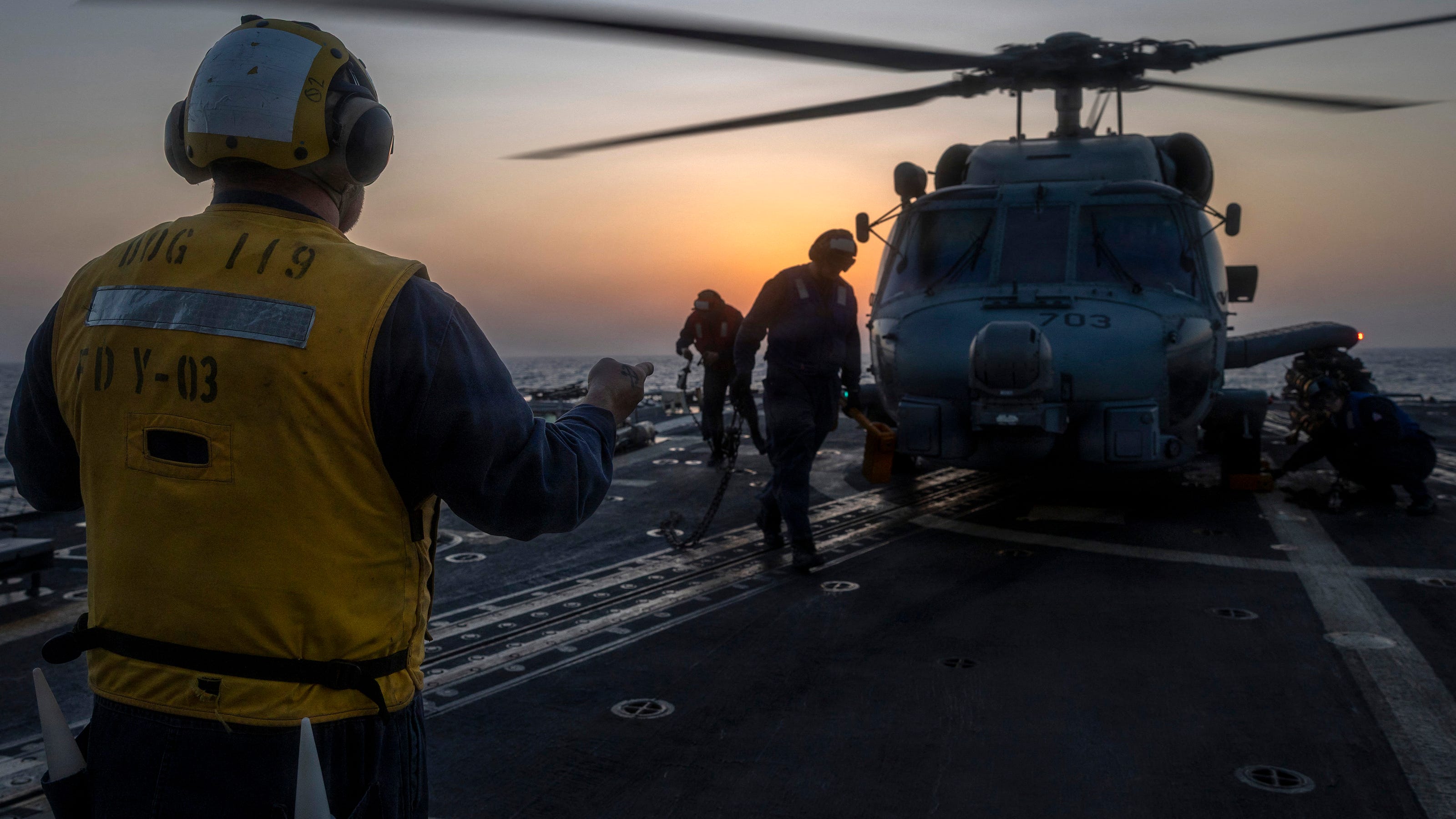
US and Israel launch Operation Epic Fury seeking regime change in Iran
Over 30 Iranian sites hit, 57 killed at girls school in southern Iran
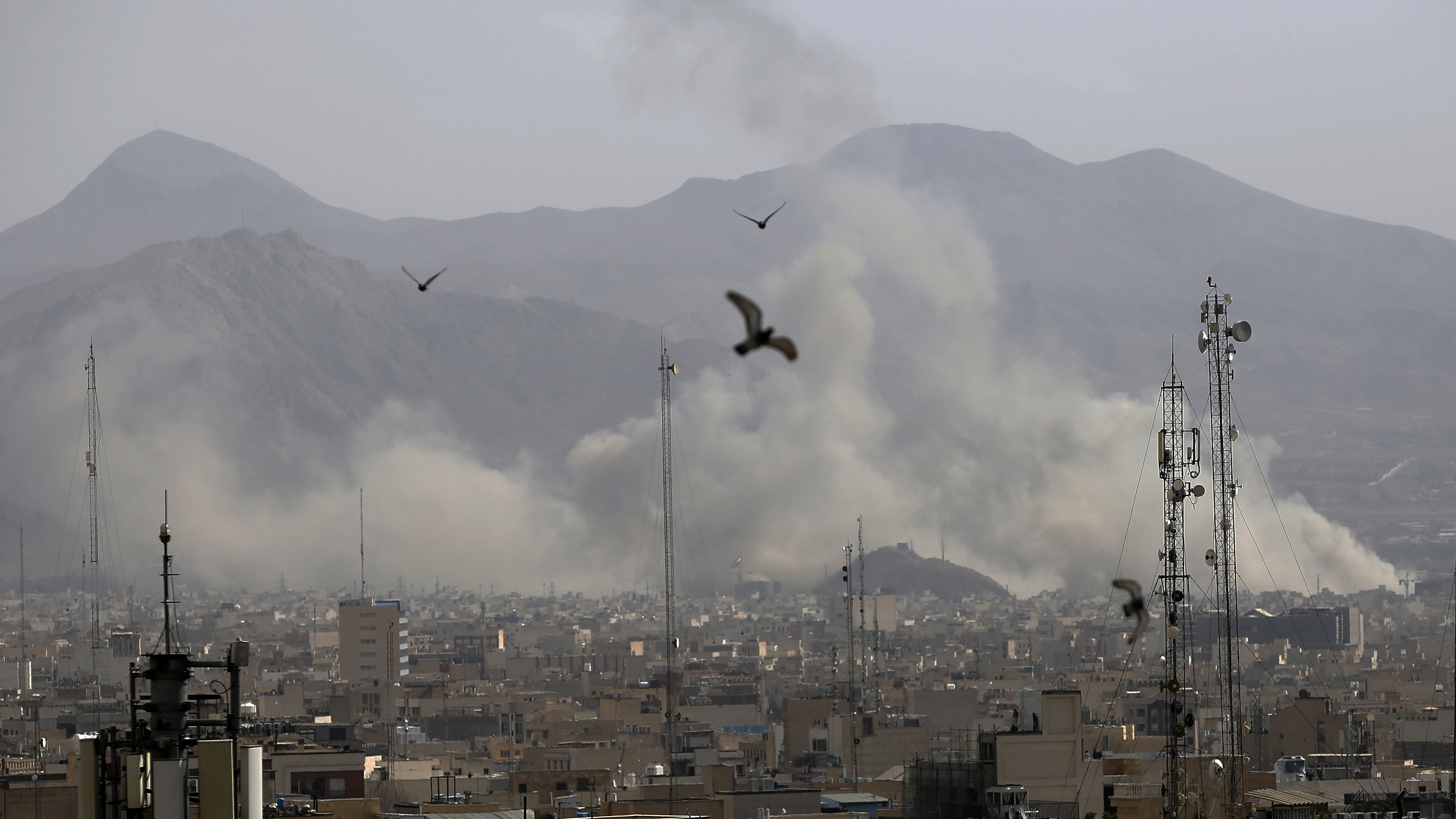
Trump gives four different reasons for the Iran war in four days
No national address, six dead Americans, and no agreed reason why
Congress scrambles to vote on war powers after Iran strikes begin
Bipartisan resolution demands Trump get Congress approval for Iran war

Pentagon told Congress Iran attack was not imminent as Trump claimed threat
Trump said "imminent threat." His own intelligence said 2035, at the earliest
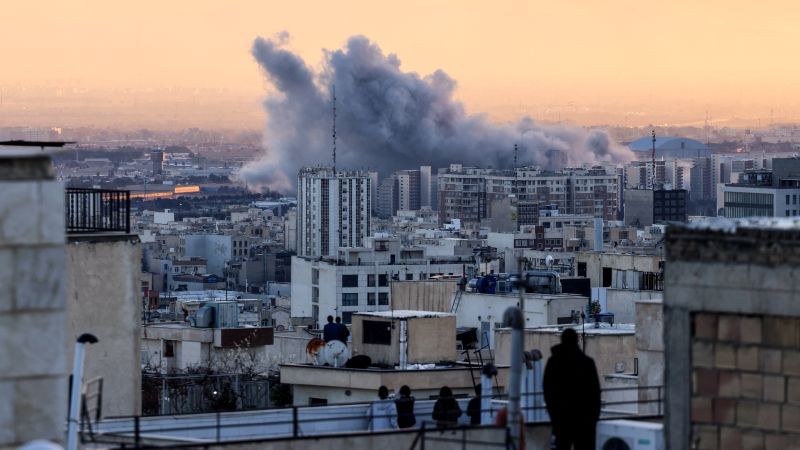
Trump starts Iran war without Congress triggering constitutional crisis
No vote, no declaration — Trump says American heroes may die in this war
13 questions
Start the review