National Security · Foreign Policy·February 16, 2026
US military prepares weeks long Iran campaign not one off strike officials confirm
Two carriers mass in Arabian Sea as Trump warns Iran of deal-or-war choice

Two U.S. officials told Reuters on Feb. 13, 2026 that the Pentagon is preparing for weeks-long operations against Iran — not a one-off strike. The planning would hit Iranian state institutions and security forces, not just nuclear sites.
The June 2025 Midnight Hammer operation used B-2 stealth bombers on a single night to strike three Iranian nuclear facilities. Iran responded with a limited retaliatory strike on a U.S. base in Qatar, and the confrontation ended there. The new planning is categorically different.
Two U.S. aircraft carrier strike groups — the USS Abraham Lincoln and USS Gerald Ford — are simultaneously positioned in the Arabian Sea. Each carrier travels with guided-missile destroyers carrying dozens of Tomahawk cruise missiles and an attack submarine capable of launching additional missiles.
The USS Gerald Ford was pulled directly from the Caribbean, where it took part in the January 2026 operation to capture Venezuelan President Nicolás Maduro, and sent to the Middle East as soon as Trump said diplomacy with Iran was proving difficult.
At Al-Udeid Air Base in Qatar — the largest U.S. military installation in the region — Patriot missile batteries have been placed on mobile HEMTT truck launchers for rapid repositioning. Satellite imagery analyzed by Reuters shows 18 KC-135 refueling aircraft and seven C-17 transport planes at the base.
At Muwaffaq Salti Air Base in Jordan, satellite images from Feb. 2 show 17 F-15E Strike Eagle fighter-bombers, eight A-10 Thunderbolt close air support aircraft, and four EA-18G Growler electronic warfare jets — all absent weeks earlier.
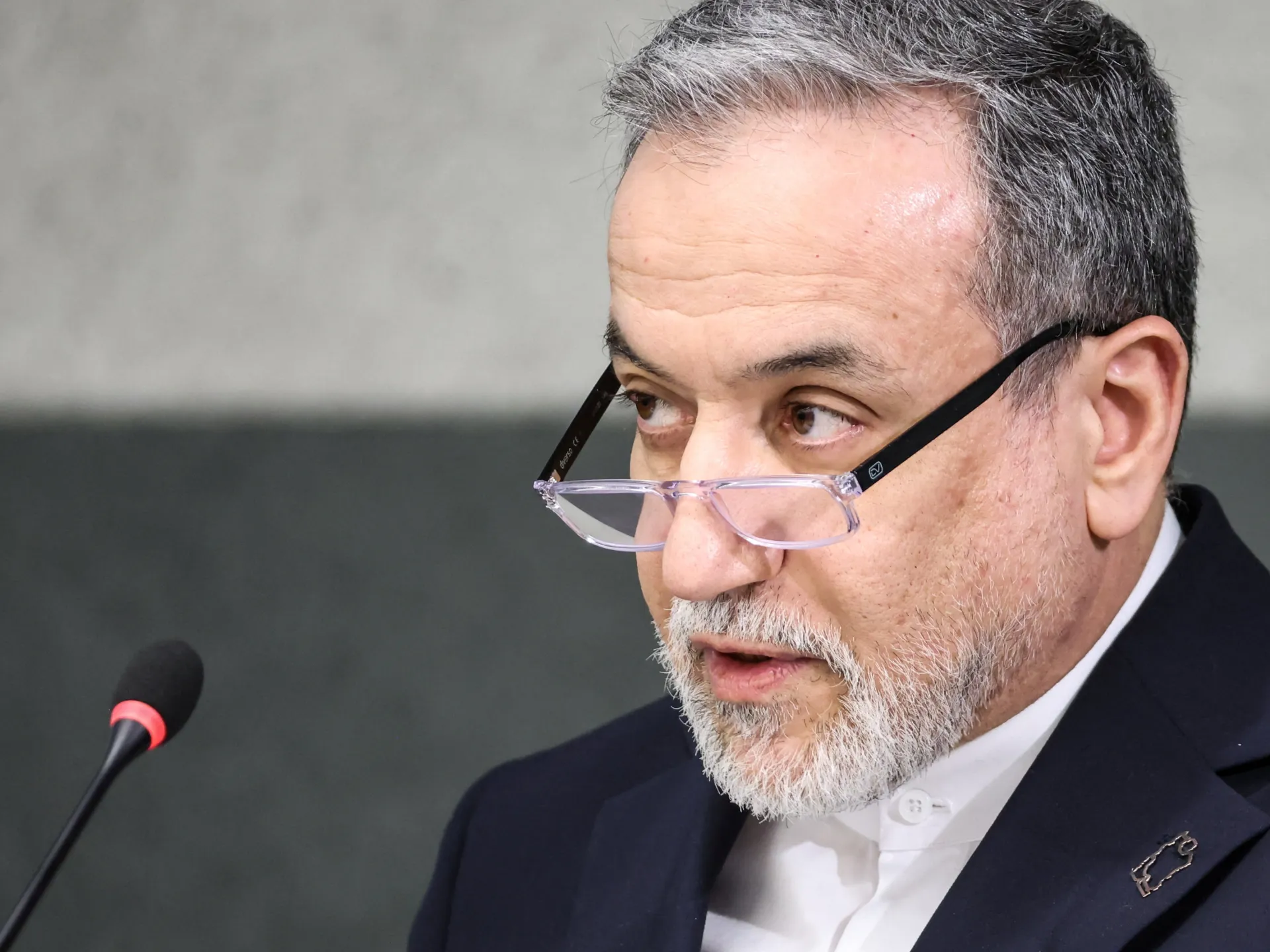
Iran's Deputy Foreign Minister Majid Takht-Ravanchi told BBC News on Feb. 16 that Tehran is willing to make compromises on its nuclear program in exchange for sanctions relief — the first such public signal as the military buildup escalated.
Trump told reporters on Feb. 13 that the U.S. had found it difficult to make a nuclear deal with Iran and that the alternative would be 'very traumatic.' The White House declined to comment on the Reuters military planning report beyond saying Trump 'has all options on the table.'
Saudi Arabia, Qatar, Oman, and Egypt have each lobbied the Trump administration privately for restraint. Saudi Crown Prince Mohammed bin Salman told Iran's President Masoud Pezeshkian that Riyadh would not allow its airspace to be used for a U.S. attack. A YouGov poll found 85% of Americans oppose a war with Iran.
Related Topics
6
Trump gives Iran ten day deadline as military forces mass in Persian Gulf
Trump sets military ultimatum without War Powers notification to Congress
US and Iran agree on nuclear deal "guiding principles" in Geneva
Two carrier strike groups sit 700km away as Oman shuttles messages

Trump and Netanyahu escalate Iran tensions risking wider war
Three leaders gamble with millions of lives while lying to their people
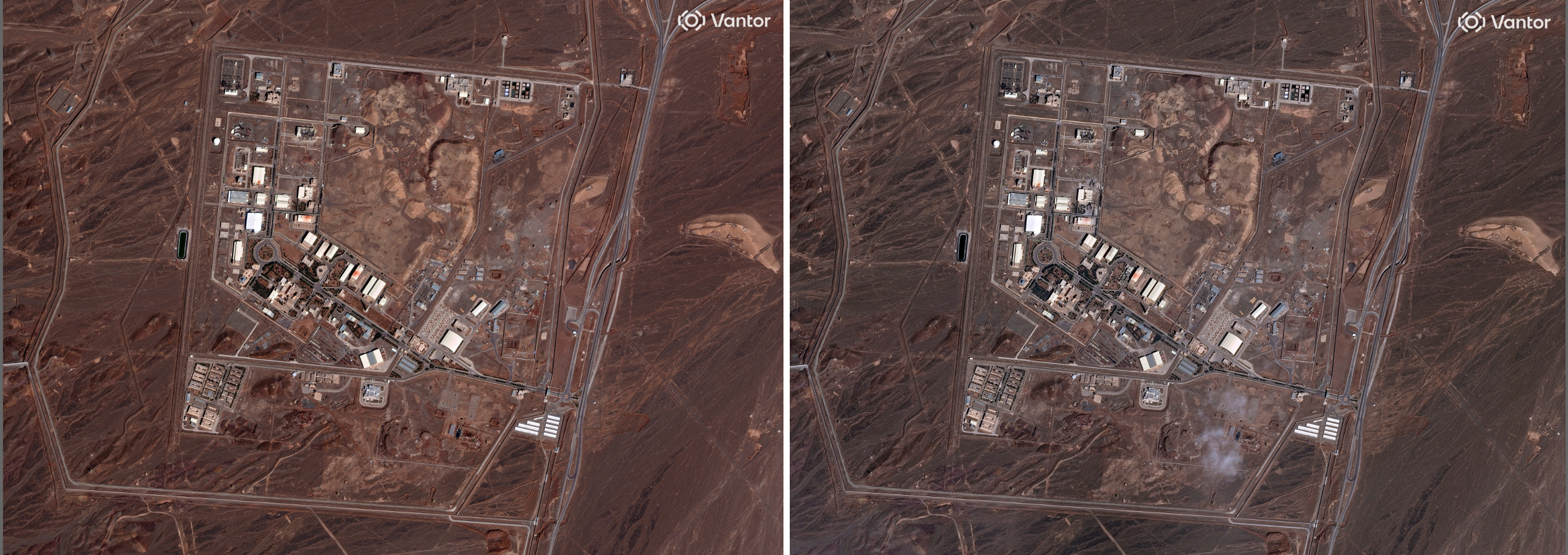
Israel and US strike Iran nuclear sites for first time in war
First strikes on Iran nuclear development sites risk radiological accident
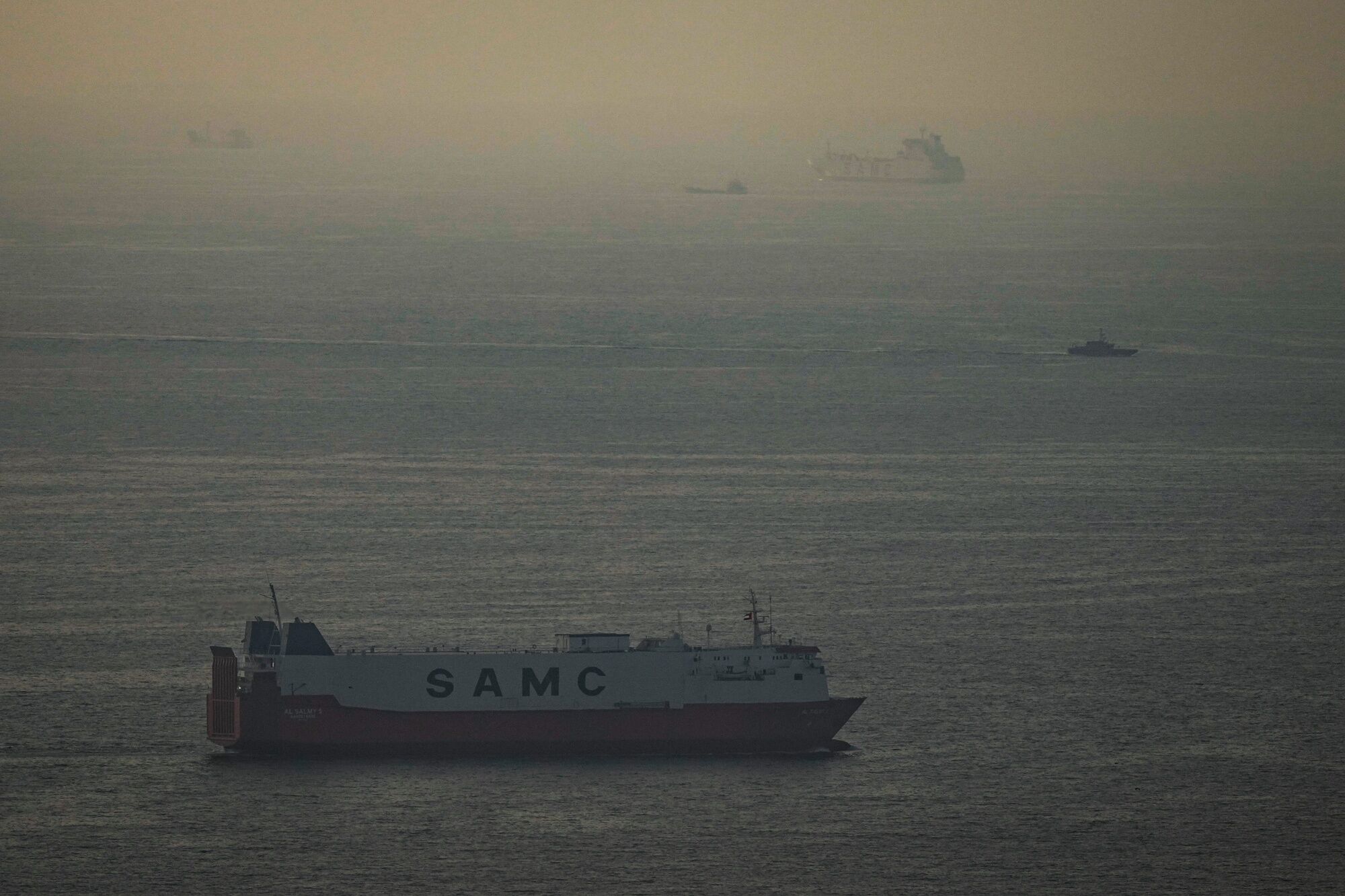
Trump gives Iran 48-hour ultimatum, threatens power plants
Iran warns it will mine the Gulf and permanently close the Strait of Hormuz if power plants are targeted

US weighs special forces raid to seize Iran's uranium
A uranium stockpile big enough for 11 nuclear bombs is missing underground
23 questions
Start the review