April 23, 2026
Army soldier charged with insider trading on Maduro raid

Van Dyke wagered $33K on classified Maduro raid intel, won $409K
🛡️National Security⚖️Justice💡Technology🔐Ethics
April 23, 2026
Van Dyke wagered $33K on classified Maduro raid intel, won $409K
Operation Absolute Resolve was a classified U.S. military operation to capture Venezuelan President Nicolás Maduro, executed from December 8, 2025 through . Van Dyke, as an Army Special Forces soldier involved in planning and execution, had access to sensitive, nonpublic, classified information about timing, targets, troop movements, and success likelihood. The operation resulted in .
Van Dyke created a Polymarket account on —just before the operation launched—using basic email verification. Between , he placed on contracts predicting whether the U.S. would land forces in Venezuela, remove Maduro, invade Venezuela, and related outcomes. He wagered total and won . His account showed a . All 13 bets were profitable.
—known as the 'Eddie Murphy Rule'—makes it illegal to trade commodities based on stolen or misappropriated nonpublic government information. It was intended for stock and futures markets, but the Van Dyke case is , establishing that cryptocurrency-based betting platforms are regulated commodity exchanges under federal law.
Polymarket is a decentralized prediction market where users wager on real-world events. Its offshore structure and use of cryptocurrency as settlement allows users to bet on outcomes that traditional U.S. futures exchanges prohibit. The platform's growth reflects regulatory gaps: the CFTC and SEC struggle to regulate decentralized finance and crypto prediction markets. Van Dyke's prosecution suggests the government is beginning to enforce insider trading laws against crypto platforms, but questions remain about whether such platforms can be effectively regulated.
Army Special Forces soldier, defendant
CFTC Chairman
Venezuelan president, operation target
Platform operator, informant
Criminal prosecutors
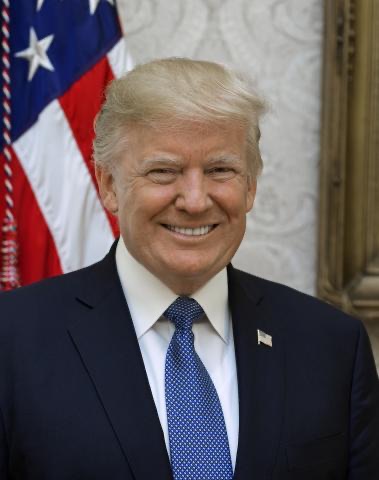
President of the United States
Army Special Forces Master Sergeant; defendant in first Section 746 Dodd-Frank prosecution
civic action
Call your congressional representative about monitoring military financial accounts
Ask whether the government should require additional monitoring of military personnel's financial accounts and market trading activity. This incident shows that a soldier can exploit classified information for profit through decentralized platforms. Congress should consider whether vetting and security clearance processes need to include prediction market account monitoring.
Hello, I am [NAME], and I'm calling from [CITY]. I read about the Army soldier who bet on a classified military operation and won $409,000 using insider information. I want to know if [REPRESENTATIVE NAME] thinks the government should require financial monitoring of military personnel with access to classified information, similar to existing ethics rules. What's their position on updating national security vetting to include prediction market activity? I'd appreciate a response.
civic action
Write to the CFTC about cryptocurrency platform compliance standards
Contact the CFTC to ask how they're implementing compliance standards for cryptocurrency trading platforms to prevent insider trading. The Van Dyke case shows that Polymarket's Know-Your-Customer safeguards were inadequate. The CFTC should be requiring real-time monitoring of suspicious trading patterns on sensitive geopolitical events.
Hello, I am [NAME], and I'm writing regarding the CFTC's enforcement action against Gannon Van Dyke for insider trading on Polymarket. I understand this is the first application of Section 746 of Dodd-Frank to prediction markets. Can you explain what compliance requirements the CFTC is imposing on crypto trading platforms to prevent this in the future? Should platforms be required to verify user identity before allowing trades on classified or sensitive information? Please reply with the CFTC's current guidance on prediction market regulation.
civic action
Organize a public forum on military ethics and national security in cryptocurrency markets
Host a community discussion on military ethics, national security vulnerabilities in prediction markets, and how cryptocurrency platforms should be regulated. The Van Dyke case is an ideal entry point for discussing the intersection of military culture, financial incentives, and technological disruption.
Hello, I am [NAME], and I'm interested in organizing a public discussion about a recent legal case involving insider trading on prediction markets. The case involves an Army soldier who profited from classified military information. I'd like to invite a panel of speakers—perhaps a military ethicist, a financial regulation expert, and a cryptocurrency researcher—to discuss the intersection of national security, military ethics, and financial technology. Would [LIBRARY/SCHOOL] be willing to host this conversation? I believe it's important for the public to understand how national security and finance are now intertwined.
civic action
Write to local news outlet proposing coverage of prediction market regulation and geopolitical betting
Pitch a story to your local news outlet about whether prediction markets should be allowed to offer betting contracts on classified military operations or sensitive geopolitical events. The Van Dyke case demonstrates both the risk of insider trading and the broader question of whether markets for these outcomes serve the public interest.
Hello, I am [NAME], and I'd like to propose a story about whether prediction markets should be allowed to offer contracts on classified military operations. The Van Dyke case showed that a soldier can profit from information he accessed through his job. Is a market for these outcomes even desirable? Should there be a rule that prediction markets cannot offer contracts on U.S. military operations or classified intelligence? I think your readers would be interested in this debate.