April 26, 2026
Gunman storms WHCD, targets Trump officials; dinner canceled


First attack on press-White House dinner in modern history
🛡️National Security⚖️Justice🏛️Government📰Media Literacy
April 26, 2026
First attack on press-White House dinner in modern history
Cole Tomas Allen, 31, of Torrance, California, rushed a security checkpoint outside the White House Correspondents' Association dinner on April 25, 2026, around 8:30 p.m. Eastern time. He was armed with a shotgun, handgun, and multiple knives. Allen exchanged gunfire with law enforcement at the checkpoint. One Secret Service agent was struck in the chest by a round, but his bulletproof vest stopped the bullet. The agent was hospitalized but expected to survive. ()
The Secret Service immediately evacuated President Trump, Vice President JD Vance, First Lady Melania Trump, and cabinet members from the ballroom at the Washington Hilton where the dinner was taking place. Trump held a press conference after his evacuation and said he didn't want to leave the event. The White House Correspondents' Association canceled the dinner following the shooting. This was the first armed attack on the press-White House dinner gathering in modern history. ()
Cole Tomas Allen graduated from Caltech in 2017 with a bachelor's degree in mechanical engineering. He earned a master's in computer science from California State University, Dominguez Hills, in May 2025. He worked part-time as a tutor and teacher at C2 Education and was named Teacher of the Month in December 2024. Allen also maintained a LinkedIn profile identifying himself as a self-employed video game developer. Federal prosecutors say Allen appeared to be targeting Trump administration officials, though his specific motive remained under investigation at the time of his arrest. ()
Allen was arrested immediately after the incident. Acting Attorney General  Todd Blanche stated in public statements that law enforcement believes Allen was targeting Trump administration officials and that prosecutors believe Allen may have included the President as a target. Blanche said the suspect appeared to be "a lone actor." FBI Director
  Kash Patel directed FBI rapid deployment to the scene, took command of evidence response, and oversaw ballistics analysis of the recovered firearm and shell casings. ()
Allen faces federal charges under 18 U.S.C. § 924(c) for using a firearm during a crime of violence (two counts) and 18 U.S.C. § 111 for assault on a federal officer using a dangerous weapon. Prosecutors indicated additional charges would be filed. If prosecutors charge him under 18 U.S.C. § 1751, which covers attempted assassination of the President, Allen could face life imprisonment or capital punishment. His initial court appearance was scheduled for Monday in federal court. ()
The White House Correspondents' Association dinner has been held annually since the 1920s and is considered a key event in press-government relations. Trump boycotted the event during his first term as President (2017-2024) and had attended only twice since leaving office in January 2021. His attendance in 2026 marked his first time as President during his second term. The event includes formal dining, awards presentations, and speeches celebrating the free press's access to government. ()
The Secret Service exercises authority under 18 U.S.C. § 3056 to protect the President and make real-time security decisions, including evacuations. Secret Service agents must constantly assess threats during public events. When Allen rushed the checkpoint, agents immediately moved Trump and other protected individuals to secure locations. The fact that Allen breached a security checkpoint at the Washington Hilton raises questions about the adequacy of security protocols at civilian events where the President attends. This incident tests both the Secret Service's responsiveness and the broader presidential security apparatus. ()
Federal law distinguishes between threatening the President under 18 U.S.C. § 871 (a misdemeanor carrying up to five years imprisonment) and attempting to assassinate him under 18 U.S.C. § 1751 (a felony carrying life imprisonment or capital punishment). The Pendleton Civil Service Reform Act of 1883 established merit-based federal hiring to prevent presidents from stacking agencies with political loyalists. When federal law enforcement officers like Secret Service agents are attacked, the attacker can be prosecuted under 18 U.S.C. § 111, which makes assaulting any federal officer with a dangerous weapon a serious federal crime. Allen's case tests how prosecutors apply these overlapping federal statutes. ()
Suspect, age 31, from Torrance, California; Caltech graduate (mechanical engineering, 2017); master's degree in computer science (Cal State Dominguez Hills, May 2025); part-time teacher at C2 Education
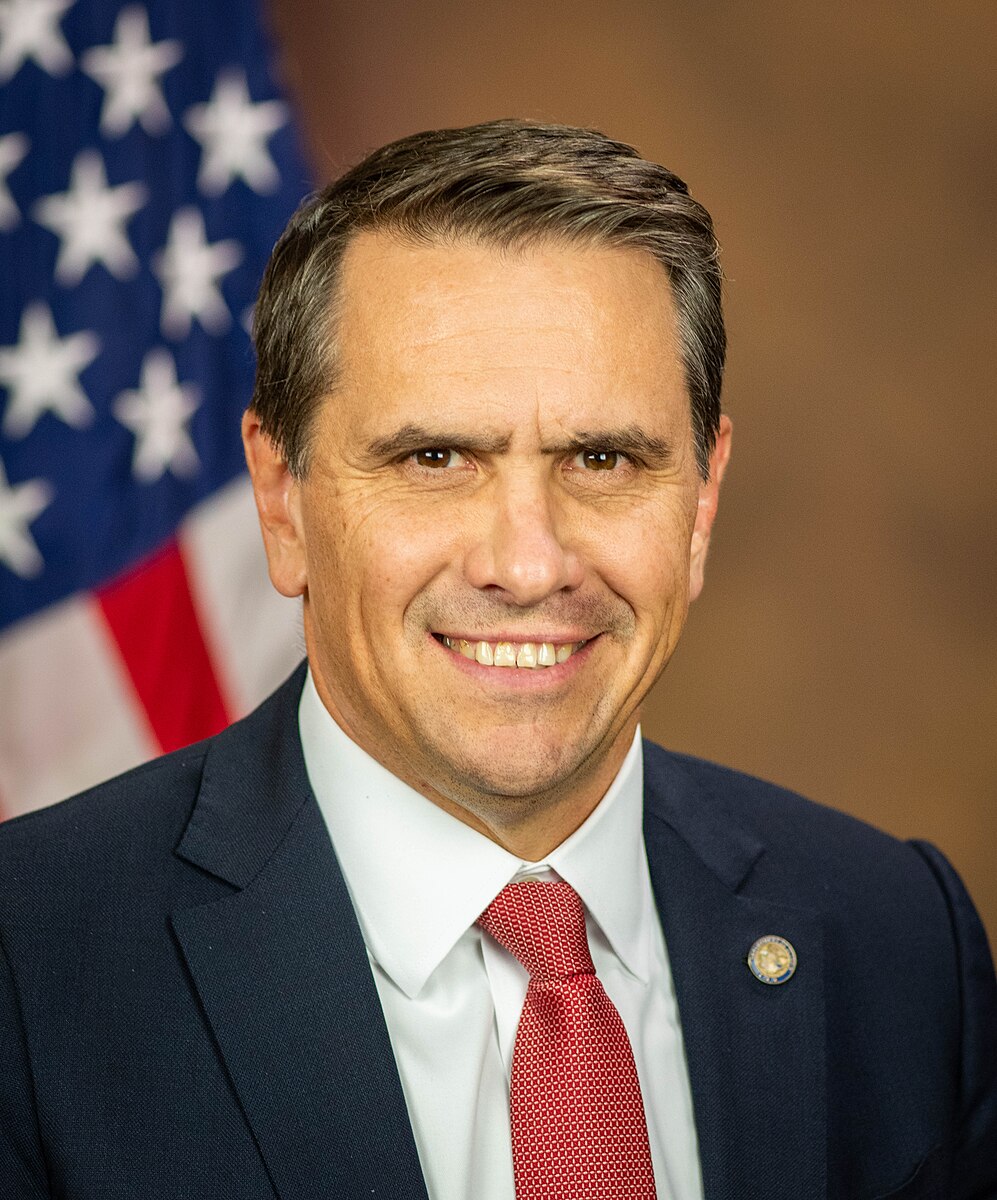
Acting Attorney General of the United States
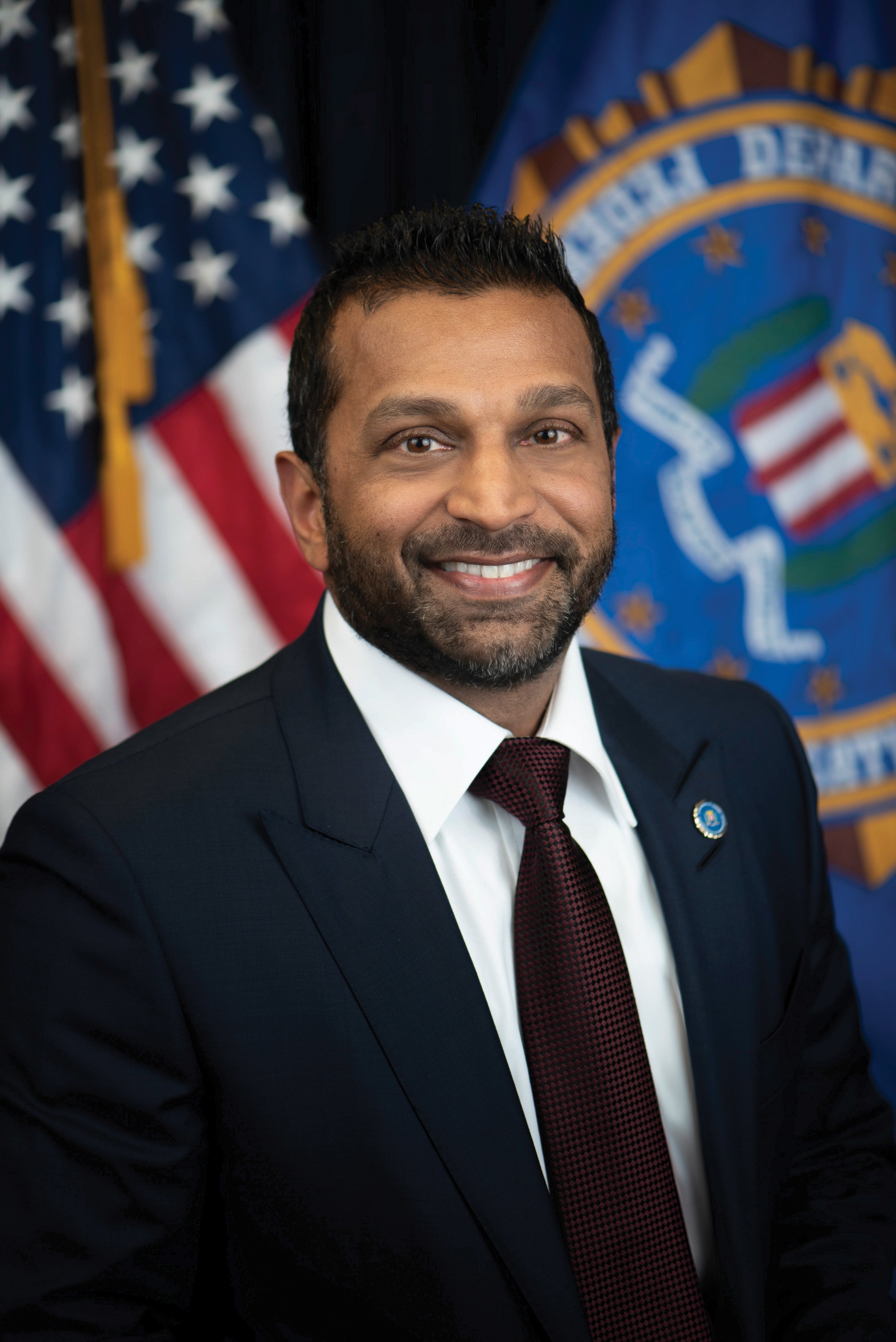
Director of the Federal Bureau of Investigation
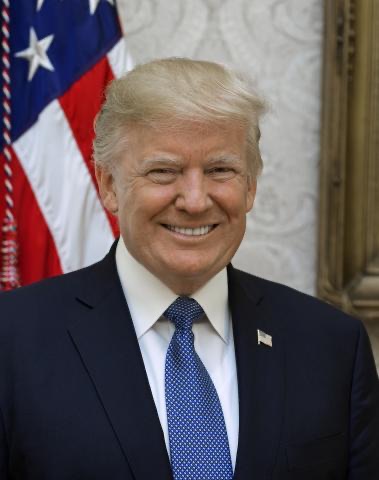
President of the United States
First Lady of the United States
Vice President of the United States
Secret Service protective agent, stationed at security checkpoint
Officials of the nonprofit press organization
Federal law enforcement and security personnel
Department of Justice attorneys handling the case
legislative contact
Demand congressional oversight of Secret Service security protocols at civilian events with the President
The fact that Cole Allen breached a checkpoint at the Washington Hilton during a major civilian event attended by the President shows gaps in security coordination. Contact your congressional representative and senator on the Senate and House Judiciary Committees to demand public hearings on Secret Service checkpoint screening procedures. Ask them to support legislation requiring annual independent audits of security protocols at civilian events where the President attends.
Hello, my name is [name] and I'm a constituent from [city, state]. I'm calling about the security breach at the White House Correspondents' dinner on April 25, 2026. Cole Allen breached a checkpoint with multiple weapons. I urge you to demand public hearings from the Senate Judiciary Committee on how the Secret Service screens attendees at civilian events with the President. What will you do to ensure this doesn't happen again?
civic action
Understand federal statutes on presidential assassination and federal officer assault
Read and understand 18 U.S.C. § 1751 (assassination or attempted assassination of the President), 18 U.S.C. § 111 (assault on federal officers), and 18 U.S.C. § 924(c) (firearm use during crimes of violence). These three statutes show how federal law protects the President and federal employees. Cole Allen faces all three charges. Knowing these laws helps you understand the difference between threatening the President (a misdemeanor) and attempting to kill him (a felony with maximum penalty of life or death).
direct disclosure
Report suspicious behavior to Secret Service and law enforcement
If you witness someone attempting to bring weapons into a federal facility or threatening behavior toward government officials, report immediately to local police or the Secret Service tip line. Reports of suspicious activity may prevent future attacks and can become material evidence in federal prosecution. The Secret Service maintains a public tip line and accepts reports through multiple channels.
organizational involvement
Support free press organizations defending journalist access to government
The White House Correspondents' Association represents the principle that the free press must have access to government officials. The April 2026 shooting tested this principle. Support organizations like the Reporters Committee for Freedom of the Press or your local press club that fight for journalist rights. These organizations provide legal support to journalists facing government barriers to information access.
access public records
Track the Cole Allen trial and test your understanding of federal charging decisions
Follow the trial of Cole Allen as it proceeds through federal court. As prosecutors add charges and the case develops, track which statutes they invoke (§ 924(c), § 111, § 1751). Read the charging documents and court filings at PACER (Public Access to Court Electronic Records). This real case shows you exactly how federal prosecutors apply these statutes in practice.
legal advocacy
Examine whether security-intelligence gaps exist in vetting civilian event attendees
The April 25 incident raises a question: how do the Secret Service and venue security cooperate on background checks for events with the President? Does the Secret Service conduct background checks on all dinner attendees? Are the checks effective? Research the security protocols used for major civilian events with the President and identify gaps. Write a brief analysis of how the Pendleton Act's merit-based hiring system could inform better security protocols for civilian events.