564 U.S. 410 (2011) · 2011
American Electric Power Co. v. Connecticut
climate changeenvironmental lawEPAClean Air Actpublic nuisanceLandmark
Summary
American Electric Power v. Connecticut held that the Clean Air Act displaces federal common-law nuisance claims seeking greenhouse-gas emissions caps from power plants. The ruling left climate regulation to EPA under the statute rather than federal common law.
Background & Context
This case should be paired with Massachusetts v. EPA. Massachusetts recognized EPA authority over greenhouse gases; AEP held that EPA’s statutory authority displaced federal common-law nuisance suits.
The Question Before the Court
Does the Clean Air Act displace federal common-law nuisance claims seeking to cap greenhouse-gas emissions from power plants?
Petitioner
American Electric Power Co.
Party asking the Court to review or reverse
Argued
- The Clean Air Act displaces federal common law.
Respondent
Connecticut
Party defending the judgment below
Argued
- Federal courts could hear nuisance claims for climate harms.
The Holding
The Clean Air Act and EPA authority under that Act displace federal common-law nuisance claims seeking limits on carbon-dioxide emissions from fossil-fuel-fired power plants.
The Court
How the justices lined up in this decision.
8-0, with Justice Sotomayor not participating
Vote
Joined decision
10 justicesAK
Anthony Kennedy
Majority
AS
Antonin Scalia
Majority
CT
Clarence Thomas
Majority

Justice Kagan
Majority
EK
Elena Kagan
Majority

Chief Justice Roberts
Chief Justice
JR
John Roberts
Majority
RB
Ruth Ginsburg
Majority
SA
Samuel Alito
Majority
SB
Stephen Breyer
Majority
Concurred
2 justices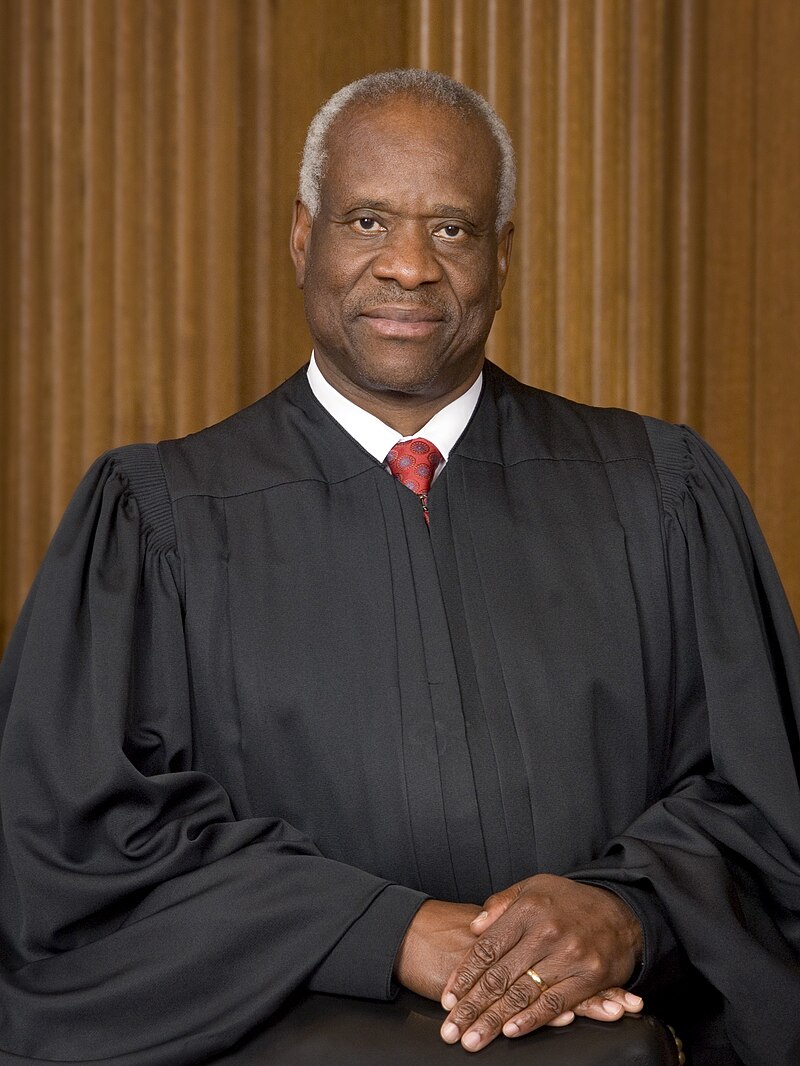
Justice Thomas
Concurred in judgment

Justice Alito
Concurred in judgment
What this means for you
The decision pushed climate regulation away from federal common-law lawsuits and toward EPA rulemaking under the Clean Air Act. That means climate policy depends more on agency action, presidential priorities, congressional statutes, and administrative-law litigation. For communities facing climate harms, the ruling limited one federal courtroom path while leaving other regulatory and state-law fights open.
Key Takeaways
- The Clean Air Act displaced federal common-law nuisance claims over power-plant carbon emissions.
- EPA authority under the statute was enough to displace federal common law even if EPA had not yet set the exact rule plaintiffs wanted.
- The Court did not decide whether state-law nuisance claims were available.
- The decision shifted climate accountability toward EPA rulemaking and administrative law.
- Justice Sotomayor did not participate.
Decision
8-0, with Justice Sotomayor not participating majority opinion
- Citation
- 564 U.S. 410 (2011)
- Vote
- 8-0, with Justice Sotomayor not participating
- Decision type
- Majority opinion
- Argued
- April 19, 2011
- Decided
- June 20, 2011
- Term
- 2010
- Opinion author
- Ruth Bader Ginsburg
Justice Ginsburg wrote the Court’s opinion, joined by Chief Justice Roberts and Justices Scalia, Kennedy, Thomas, Breyer, Alito, and Kagan. Justice Alito concurred in part and in the judgment, joined by Justice Thomas. Justice Sotomayor did not participate.