564 U.S. 721 (2011) · 2011
Arizona Free Enterprise Club’s Freedom Club PAC v. Bennett
campaign financeFirst Amendmentpublic financingelectionsmoney in politicsLandmark
Summary
Arizona Free Enterprise Club v. Bennett held that Arizona’s public-campaign-financing matching-funds provision violated the First Amendment. The Court said the law burdened privately financed candidates and independent groups by giving money to their publicly financed opponents when they spent more.
Background & Context
This case belongs in the campaign-finance line after Buckley, Davis, Citizens United, and SpeechNow. It is about whether government can use public financing to offset private and outside spending without burdening speech.
The Question Before the Court
Does a public-financing system that gives extra funds to participating candidates when privately financed candidates or independent groups spend above a threshold violate the First Amendment?
Petitioner
Arizona Free Enterprise Club’s Freedom Club PAC
Party asking the Court to review or reverse
Argued
- Matching funds penalized political spending.
- Leveling the playing field is not a valid First Amendment interest.
Respondent
Bennett
Party defending the judgment below
Argued
- The system expanded speech.
- Public financing fights corruption.
The Holding
Arizona’s public-financing matching-funds system violated the First Amendment because it substantially burdened the speech of privately financed candidates and independent expenditure groups without a sufficient anti-corruption justification.
The Court
How the justices lined up in this decision.
5-4
Vote
Joined decision
8 justicesAK
Anthony Kennedy
Majority
AS
Antonin Scalia
Majority
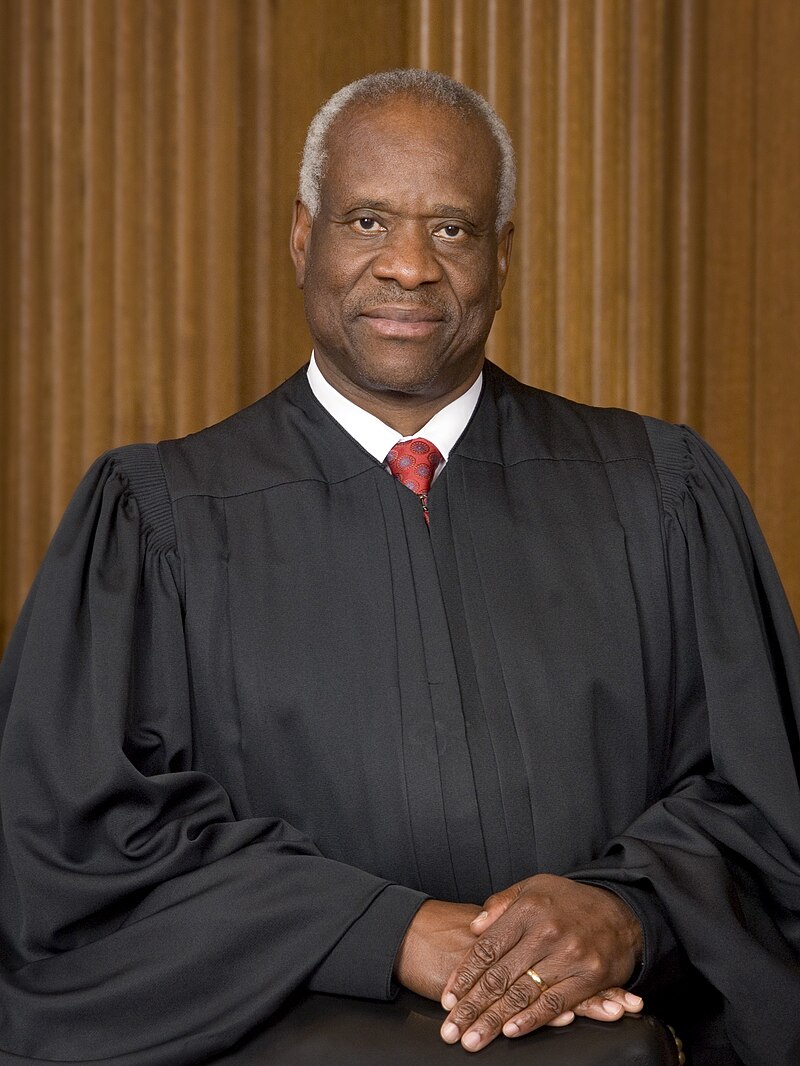
Justice Thomas
Majority
CT
Clarence Thomas
Majority
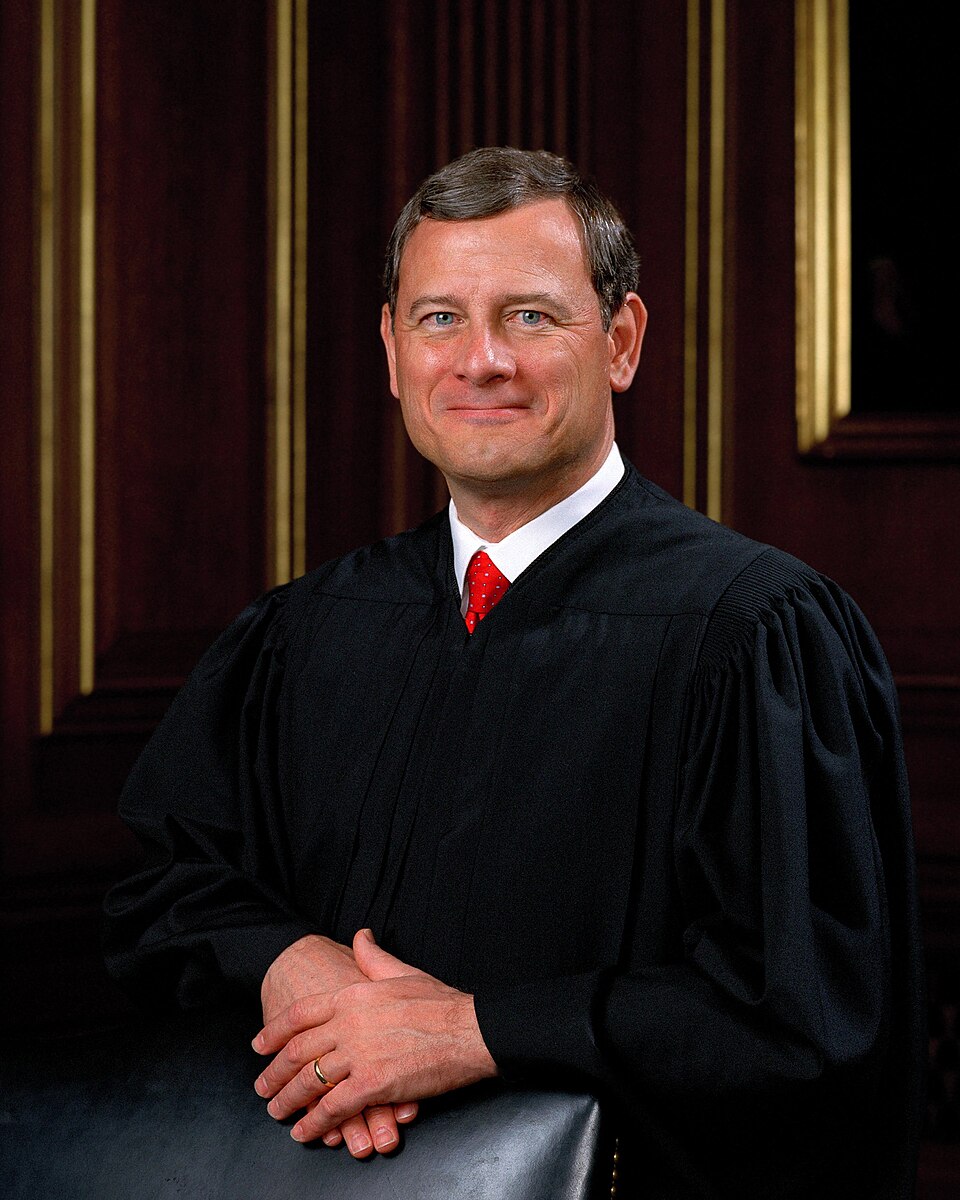
Chief Justice Roberts
Chief Justice
JR
John Roberts
Majority
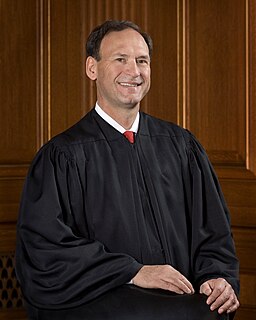
Justice Alito
Majority
SA
Samuel Alito
Majority
Dissented
6 justices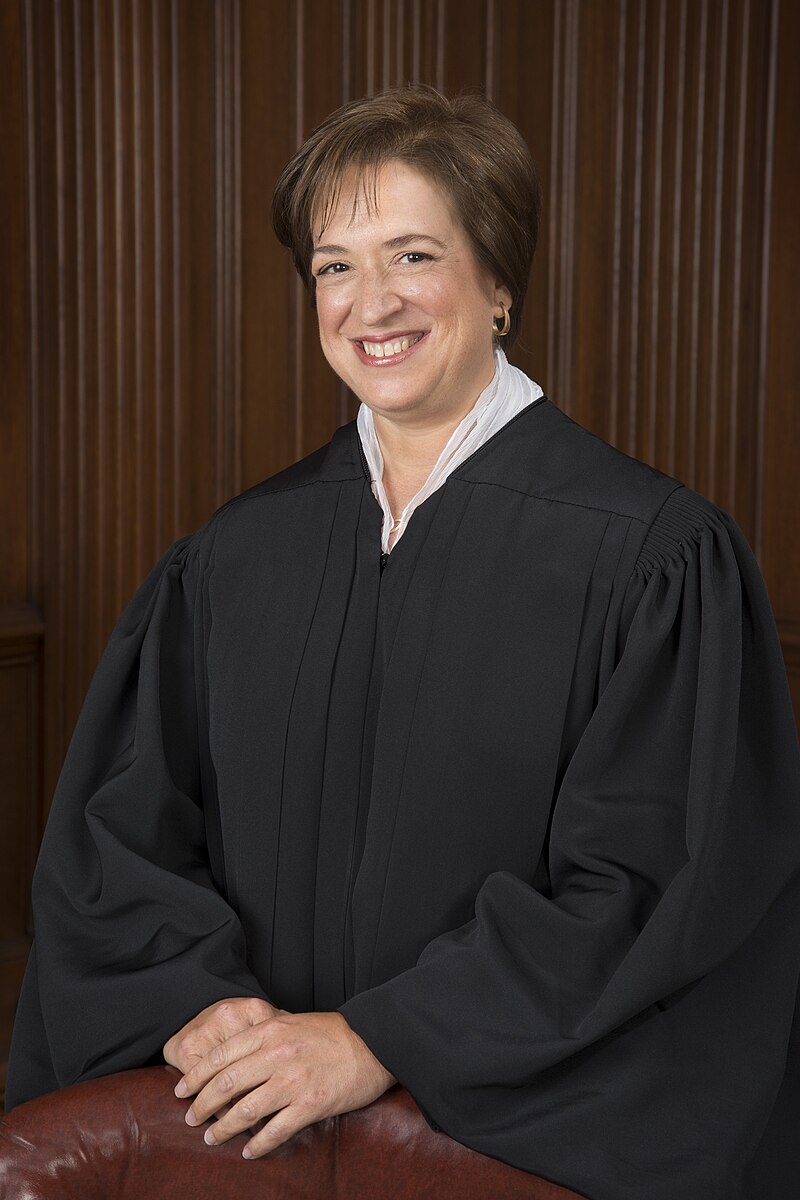
Justice Kagan
Dissent
EK
Elena Kagan
Dissent
RB
Ruth Ginsburg
Dissent
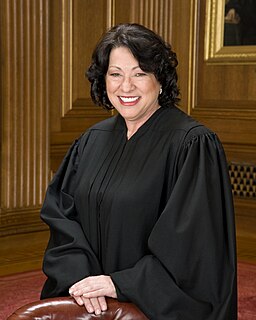
Justice Sotomayor
Dissent
SS
Sonia Sotomayor
Dissent
SB
Stephen Breyer
Dissent
What this means for you
The ruling made it harder for states to design public-financing systems that help publicly funded candidates keep pace with privately financed opponents or outside groups. It strengthened the Court’s modern rule that government cannot burden political spending to level electoral resources. The decision affects candidates without wealthy donor networks because states have less flexibility to use matching funds to make publicly financed campaigns competitive.
Key Takeaways
- The Court struck down Arizona’s matching-funds public-financing system.
- The majority treated the law as a burden on privately financed candidates and independent groups.
- The Court rejected leveling electoral resources as a valid First Amendment justification.
- The dissent argued the law expanded public debate and reduced reliance on big donors.
- The ruling narrowed state options for making public financing competitive.
Decision
5-4 majority opinion
- Citation
- 564 U.S. 721 (2011)
- Vote
- 5-4
- Decision type
- Majority opinion
- Argued
- March 28, 2011
- Decided
- June 27, 2011
- Term
- 2010
- Opinion author
- John Roberts
Chief Justice Roberts wrote the Court’s opinion, joined by Justices Scalia, Kennedy, Thomas, and Alito. Justice Kagan dissented, joined by Justices Ginsburg, Breyer, and Sotomayor.