567 U.S. 387 (2012) · 2012
Arizona v. United States
immigrationfederalismpreemptionstate powercivil rightsLandmark
Summary
Arizona v. United States held that federal law preempted major parts of Arizona S.B. 1070. The Court struck down state immigration penalties and arrest authority that conflicted with federal law, while allowing the status-check provision to go forward facially.
Background & Context
This row should distinguish facial preemption from later civil-rights concerns. The Court did not decide every possible challenge to Section 2(B), especially if applied in a discriminatory or prolonged-detention manner.
The Question Before the Court
Did federal immigration law preempt Arizona S.B. 1070 provisions creating state immigration crimes, arrest authority, and status-check requirements?
Petitioner
Arizona
Party asking the Court to review or reverse
Argued
- Arizona could cooperate in immigration enforcement.
Respondent
United States
Party defending the judgment below
Argued
- The law intruded on federal immigration priorities.
The Holding
Federal law preempted several provisions of Arizona’s S.B. 1070, including state crimes for failure to carry registration papers, unauthorized work, and warrantless arrests based on removability. The Court allowed the status-check provision to go into effect while leaving open future as-applied challenges.
The Court
How the justices lined up in this decision.
5-3
Vote
Joined decision
7 justicesAK
Anthony Kennedy
Majority

Chief Justice Roberts
Chief Justice
JR
John Roberts
Majority
RB
Ruth Ginsburg
Majority

Justice Sotomayor
Majority
SS
Sonia Sotomayor
Majority
SB
Stephen Breyer
Majority
Concurred
3 justicesAS
Antonin Scalia
Concurred
CT
Clarence Thomas
Concurred
SA
Samuel Alito
Concurred
Dissented
2 justices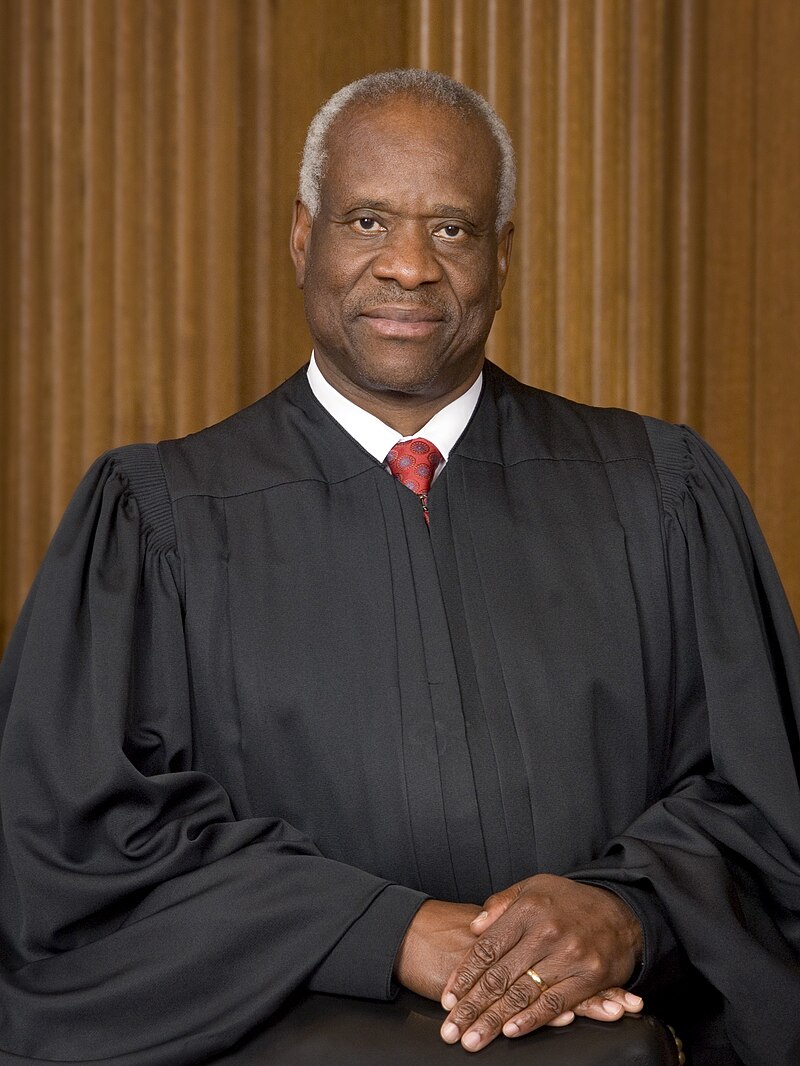
Justice Thomas
Partial dissent
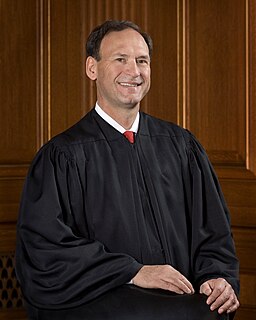
Justice Alito
Partial dissent
What this means for you
The ruling limited states’ ability to create their own immigration enforcement systems. It protected federal primacy over removal priorities while still allowing some state cooperation. For immigrant communities, the surviving status-check provision raised concerns about racial profiling and prolonged stops, even though the Court left room for later challenges if enforcement violated constitutional rights.
Key Takeaways
- The Court struck down three major provisions of Arizona S.B. 1070 as preempted by federal law.
- The status-check provision survived facial review but remained open to later challenges.
- The decision reaffirmed federal primacy in immigration enforcement.
- The ruling did not approve racial profiling or prolonged detention.
- The case remains important for state efforts to create immigration enforcement schemes.
Decision
5-3 majority opinion
- Citation
- 567 U.S. 387 (2012)
- Vote
- 5-3
- Decision type
- Majority opinion
- Argued
- April 25, 2012
- Decided
- June 25, 2012
- Term
- 2011
- Opinion author
- Anthony Kennedy
Justice Kennedy wrote the Court’s opinion, joined by Chief Justice Roberts and Justices Ginsburg, Breyer, and Sotomayor. Justices Scalia, Thomas, and Alito concurred in part and dissented in part. Justice Kagan did not participate.