556 U.S. 662 (2009) · 2009
Ashcroft v. Iqbal
civil procedurecivil rightspleading standardspost-9/11 detentiongovernment accountabilityLandmark
Summary
Ashcroft v. Iqbal held that federal complaints must plead factual matter that makes a claim plausible. The Court also held that senior officials cannot be held liable for subordinates’ actions based only on supervisory status. The ruling reshaped federal civil litigation by making early dismissal easier.
Background & Context
This case should not be reduced to a technical pleading rule. It came from post-9/11 detention and discrimination claims, but its practical effect reaches civil-rights, workplace, consumer, prison, immigration, and institutional accountability cases across federal court.
The Question Before the Court
Did Iqbal plead enough facts to state a plausible discrimination claim against senior federal officials, and what pleading standard applies under Rule 8?
Petitioner
Ashcroft
Party asking the Court to review or reverse
Argued
- The complaint relied on conclusory allegations.
- Top officials should not face discovery without specific factual allegations.
Respondent
Iqbal
Party defending the judgment below
Argued
- The complaint plausibly alleged discriminatory policy decisions.
- Discovery was needed to prove internal decision-making.
The Holding
A complaint must plead enough factual matter to state a plausible claim for relief, and government officials are not liable for unconstitutional acts of subordinates based only on supervisory status. Iqbal’s complaint did not plausibly allege that Ashcroft and Mueller personally adopted an unconstitutional discriminatory policy.
The Court
How the justices lined up in this decision.
3-0
Vote
Joined decision
8 justicesAK
Anthony Kennedy
Majority
AS
Antonin Scalia
Majority
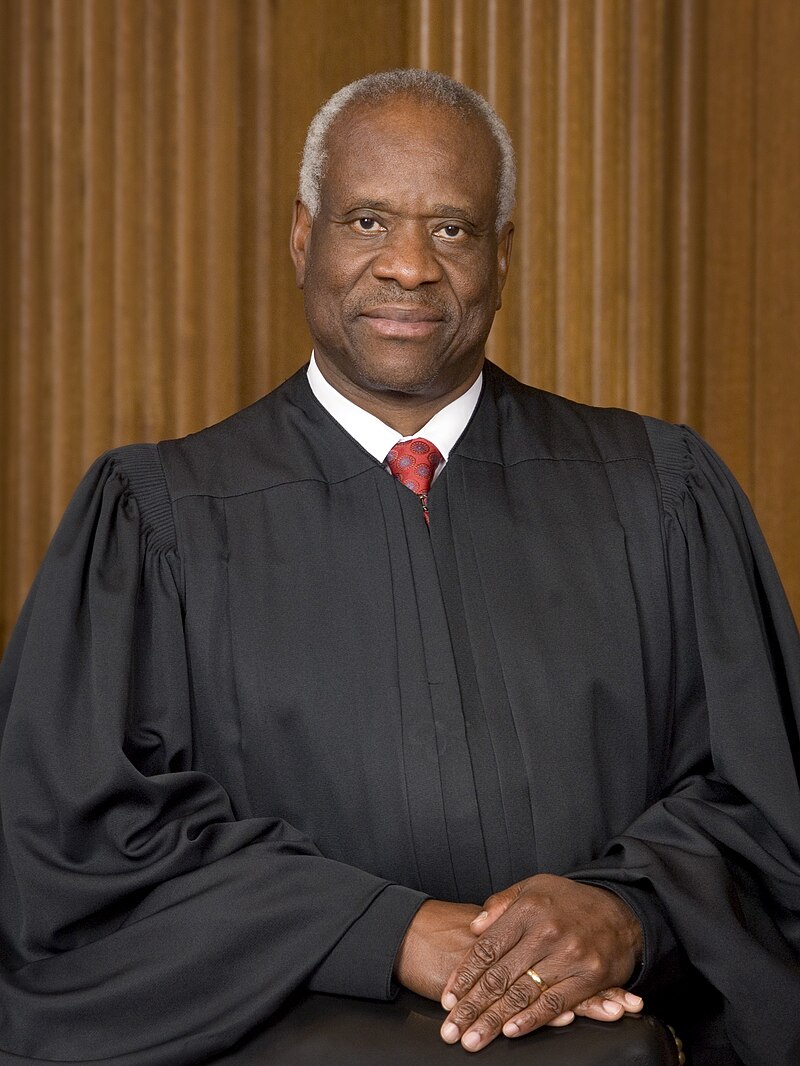
Justice Thomas
Majority
CT
Clarence Thomas
Majority
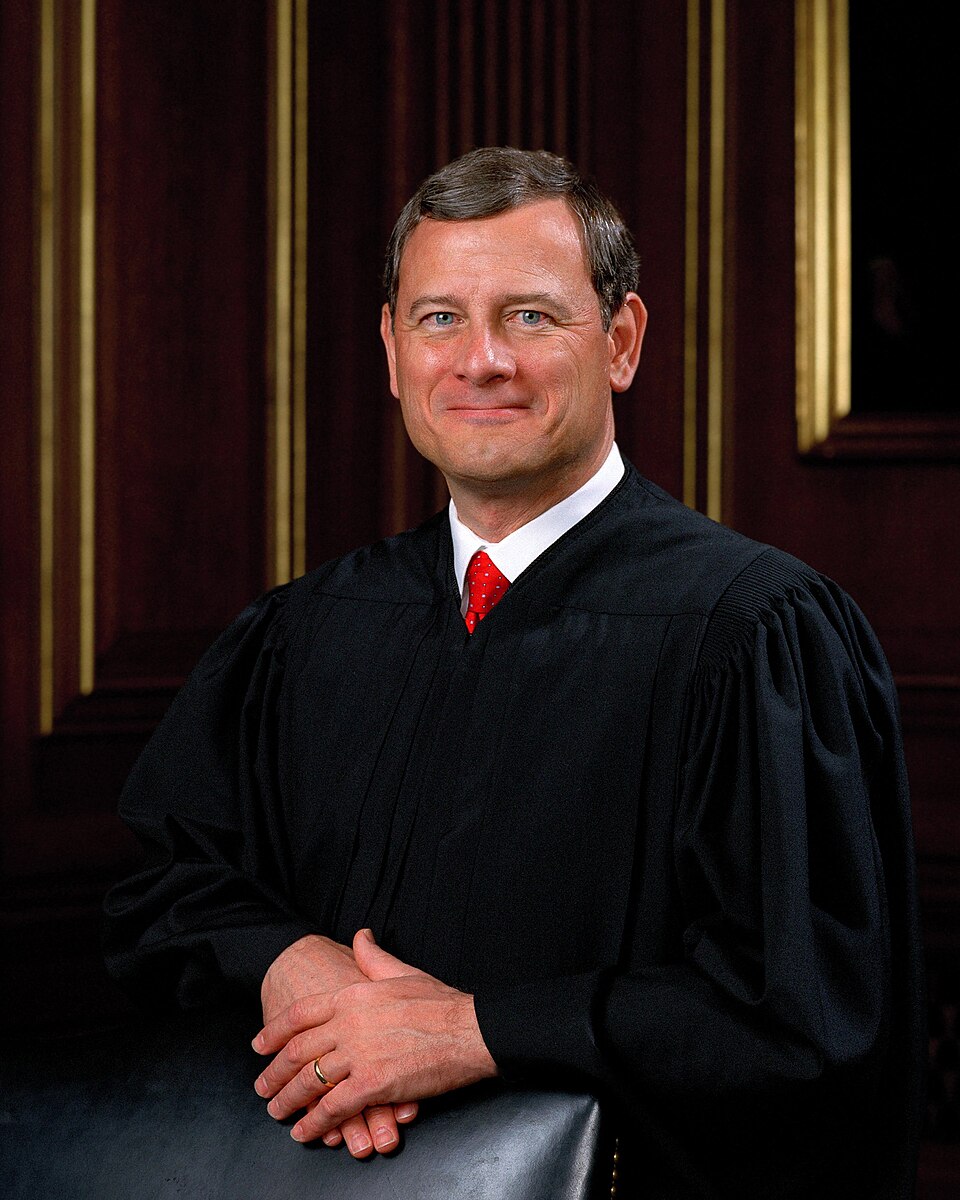
Chief Justice Roberts
Chief Justice
JR
John Roberts
Majority
Justice Alito
Majority
SA
Samuel Alito
Majority
Dissented
4 justicesDS
David Souter
Dissent
JP
John Stevens
Dissent
RB
Ruth Ginsburg
Dissent
SB
Stephen Breyer
Dissent
What this means for you
Iqbal changed who gets into discovery. People alleging discrimination, detention abuse, civil-rights violations, corporate misconduct, or government wrongdoing often need facts that are hard to obtain before discovery begins. That can block cases before plaintiffs can force defendants to produce records. The decision is especially important for people suing powerful institutions, because it raises the front-end burden before the plaintiff can see internal evidence.
Key Takeaways
- The Court applied plausibility pleading beyond Twombly’s antitrust context.
- A complaint must include facts that make the claim plausible, not just possible.
- Senior officials need personal involvement for Bivens liability; supervisory status is not enough.
- The case grew from post-9/11 detention and discrimination allegations by a Muslim immigrant detainee.
- The decision made it harder for many civil-rights and institutional-abuse cases to reach discovery.
Decision
3-0 majority opinion
- Citation
- 556 U.S. 662 (2009)
- Vote
- 3-0
- Decision type
- Majority opinion
- Argued
- December 10, 2008
- Decided
- May 18, 2009
- Term
- 2008
- Opinion author
- Anthony Kennedy
Justice Kennedy wrote the Court’s opinion, joined by Chief Justice Roberts and Justices Scalia, Thomas, and Alito. Justice Souter dissented, joined by Justices Stevens, Ginsburg, and Breyer. Justice Breyer filed a separate dissent.