Summary
The Supreme Court held that executing people with intellectual disability is cruel and unusual punishment under the Eighth Amendment.
Background & Context
Daryl Renard Atkins and William Jones went on a crime spree in York County, Virginia on the night of August 16, 1996. They abducted Eric Nesbitt, a 21-year-old airman from Langley Air Force Base, forced him to withdraw money from an ATM, then shot him eight times, killing him. Both men were convicted of capital murder. Jones received a life sentence after testifying against Atkins. Atkins was sentenced to death. At trial, a forensic psychologist testified that Atkins had an IQ of 59, which placed him in the range of what was then called "mental retardation" — now typically referred to as intellectual disability. A second psychologist hired by the prosecution disputed this assessment, putting Atkins in the borderline range. The question of Atkins's intellectual disability became central to his constitutional challenge. In 1989, the Supreme Court had ruled in Penry v. Lynaugh that executing persons with intellectual disabilities did not violate the Eighth Amendment. The Court had noted then that few states had explicitly banned the practice. By 2002, however, 18 more states had enacted laws prohibiting the execution of people with intellectual disabilities (in addition to the 12 states that had abolished the death penalty altogether). Atkins's lawyers argued that this shift constituted a new national consensus that made executing the intellectually disabled unconstitutional under the Eighth Amendment's "evolving standards of decency" test.
The Question Before the Court
Does the Eighth Amendment's ban on cruel and unusual punishment prohibit executing a person with an intellectual disability?
Petitioner
Atkins
Party asking the Court to review or reverse
Argued
- A national consensus had formed against executing the intellectually disabled
- Intellectual disability reduces moral culpability
- Neither retribution nor deterrence justifies execution in this context
Respondent
Virginia
Party defending the judgment below
Argued
- Penry v. Lynaugh controls this case
- The 'consensus' evidence was manufactured, not genuine
- Juries can adequately weigh intellectual disability as a mitigating factor
The Holding
The Supreme Court ruled 6-3 that the Eighth Amendment prohibits executing persons with intellectual disabilities. Justice Stevens wrote the majority opinion, which overruled Penry v. Lynaugh (1989). The Court applied the "evolving standards of decency" framework, noting that since Penry, a number of states had enacted prohibitions—creating a national consensus that executing the intellectually disabled constitutes excessive punishment. The majority held that two purposes of legitimate punishment—retribution and deterrence—were not served by executing those with intellectual disabilities, because reduced culpability means retribution is disproportionate and because reduced cognitive capacity means deterrence is ineffective. The Court left the definition of intellectual disability to the states, using the clinical definitions prevalent at the time. Chief Justice Rehnquist and Justice Scalia each dissented, attacking the majority's methodology. Justice Thomas joined both dissents.
The Court
How the justices lined up in this decision.
0-1
Vote
Dissented
1 justice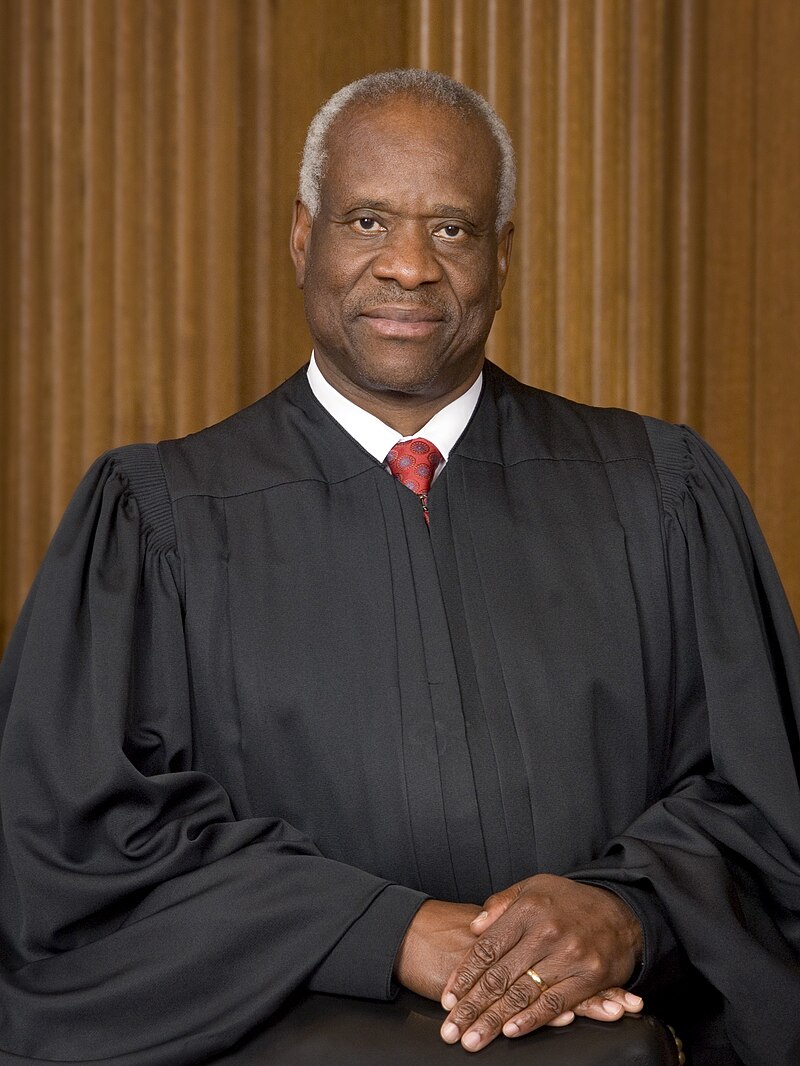
Justice Thomas
Dissent
What this means for you
States may not execute people who meet the legal definition of intellectual disability; courts and legislatures must adopt and apply procedures to determine intellectual disability in capital cases, producing stays, resentencings, and statutory reforms nationwide.
Key Takeaways
- Banned the death penalty for persons with intellectual disabilities 6-3; overruled Penry v. Lynaugh (1989)
- Justice Stevens applied the "evolving standards of decency" test — the same framework Roper used 3 years later for juveniles
- The Court left defining intellectual disability to the states, producing ongoing litigation about IQ thresholds and assessments
- Rehnquist and Scalia wrote sharp dissents attacking the majority's consensus-counting methodology
- In 2014, Hall v. Florida prohibited states from using a strict IQ cutoff of 70 for eligibility
Decision
0-1 decision
- Citation
- 536 U.S. 304 (2002)
- Vote
- 0-1
- Opinion author
- Justice John Paul Stevens