Summary
The Court held that the First Amendment protects publication of an illegally intercepted communication when the publisher played no role in the interception and the information concerns a matter of public concern.
Background & Context
In the early 1990s, Gloria Bartnicki and Anthony Kane were locked in a bitter contract fight. Bartnicki negotiated for a Pennsylvania teachers union; Kane led it. The school board wasn't moving. During one heated cell phone call, Kane grew frustrated and said something that would follow them both for years: "If they're not gonna move for three percent, we're gonna have to go to their homes... to blow off their front porches." Someone — no one ever found out who — intercepted that call with a scanner and recorded it. The tape ended up in a mailbox belonging to Jack Yocum, a local activist who opposed the union. Yocum passed it to Frederick Vopper, a radio host who had long criticized the union. Vopper played the recording on his public affairs show. Other outlets picked it up. The conversation became public. Bartnicki and Kane sued Vopper and other broadcasters under federal and Pennsylvania wiretapping laws, which made it illegal both to intercept calls and to knowingly broadcast intercepted recordings. The broadcasters didn't dispute that the interception was illegal. But they argued the First Amendment protected their right to air the tape, especially because it captured public officials discussing a matter of genuine public concern — an ongoing labor dispute affecting an entire community. The case wound through federal courts before reaching the Supreme Court in 2001. At its center was a clash between two values Americans hold dear: the right to privacy in our communications, and the press's ability to report on matters affecting the public. Six justices sided with the press. Three — Rehnquist, Scalia, and Thomas — argued that broadcasting the fruits of illegal surveillance undermines the privacy protections millions of Americans rely on every day.
The Question Before the Court
When a radio broadcaster airs a tape of an illegally intercepted phone call — without having participated in the interception — does the First Amendment protect that broadcast if the conversation involved a matter of public concern?
Petitioner
Bartnicki
Party asking the Court to review or reverse
Argued
- Privacy laws protect everyone's ability to speak freely
- Rewarding illegal interception undermines the law
- The subject matter wasn't genuinely newsworthy enough to override privacy
- Congress weighed these interests and made a choice
Respondent
Vopper
Party defending the judgment below
Argued
- The First Amendment protects accurate reporting on public affairs
- Publishers shouldn't be liable for others' crimes they didn't commit
- The conversation addressed a genuine matter of public concern
- Suppressing the information doesn't undo the privacy violation
The Holding
The Supreme Court ruled 6-3 that the First Amendment protected the broadcasters' decision to air the tape. Writing for the majority, Justice Stevens said three facts together made the constitutional difference: Vopper and the other broadcasters did not participate in or encourage the illegal interception; they lawfully possessed the recording when they received it; and the conversation addressed a matter of public concern—an ongoing labor dispute that touched on public safety. The Court did not hold that broadcasters can always air illegally obtained recordings. It established a narrow rule: when a publisher plays no role in the illegal interception, obtains the information lawfully, and reports on a matter of public concern, civil liability under the wiretapping laws violates the First Amendment. Three justices dissented, arguing that this ruling would chill the privacy of every American who relies on electronic communication—and that the real deterrent to illegal interception should be punishing the interceptor, not also protecting everyone who benefits from it.
The Court
How the justices lined up in this decision.
0-1
Vote
Dissented
1 justice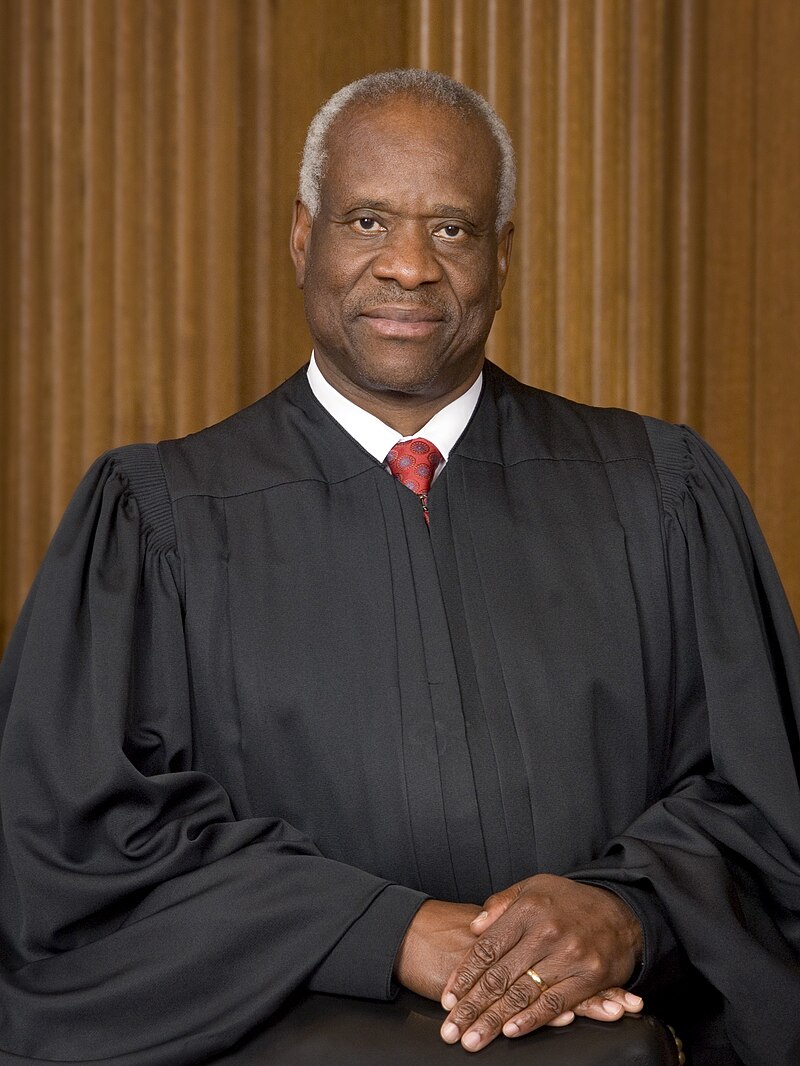
Justice Thomas
Dissent
What this means for you
Journalists and private individuals who lawfully receive information may be able to publish matters of public concern even if a third party illegally intercepted those communications, so long as the publisher did not participate in the illegal interception; the decision narrows the scope of civil liability under wiretap statutes as applied to the press while leaving liability for the interceptors themselves intact.
Key Takeaways
- The First Amendment can protect broadcasting illegally recorded conversations when the broadcaster didn't participate in the illegal interception and the content addresses a genuine public concern
- Three conditions mattered: the broadcaster didn't intercept the call, received it lawfully, and aired it because it involved a real public issue — not just any private conversation qualifies
- This ruling didn't eliminate wiretapping law protections — people who actually intercept calls still face full liability; only publishers who receive information they didn't steal get this protection
- Privacy and free press come into direct conflict in this kind of case, and the Court's answer is fact-specific — courts weigh all three conditions together, not just one
- The decision shapes how journalists and broadcasters handle leaked recordings — especially in the digital age when recordings are easier to make, share, and publish than ever before
Decision
0-1 decision
- Citation
- 532 U.S. 514 (2001)
- Vote
- 0-1
- Opinion author
- Justice John Paul Stevens