550 U.S. 544 (2007) · 2007
Bell Atlantic Corp. v. Twombly
civil procedureantitrustaccess to courtspleading standardscorporate accountabilityLandmark
Summary
Bell Atlantic v. Twombly held that a federal complaint must contain enough factual matter to make the claim plausible. In the antitrust case before the Court, allegations of parallel conduct were not enough without facts suggesting an agreement.
Background & Context
This case should be paired with Ashcroft v. Iqbal. Twombly began in antitrust, but its real civic impact is how federal courts screen civil claims before discovery.
The Question Before the Court
Does a complaint alleging parallel business conduct, without more factual matter suggesting an agreement, state a plausible antitrust conspiracy claim under Rule 8 and the Sherman Act?
Petitioner
Bell Atlantic Corp.
Party asking the Court to review or reverse
Argued
- Parallel conduct alone is not enough.
Respondent
Twombly
Party defending the judgment below
Argued
- The complaint should reach discovery.
The Holding
A complaint must plead enough factual matter to state a claim that is plausible on its face. Allegations of parallel conduct, without more facts suggesting an agreement, did not state a plausible antitrust conspiracy claim under § 1 of the Sherman Act.
The Court
How the justices lined up in this decision.
7-2
Vote
Joined decision
10 justicesAK
Anthony Kennedy
Majority
AS
Antonin Scalia
Majority
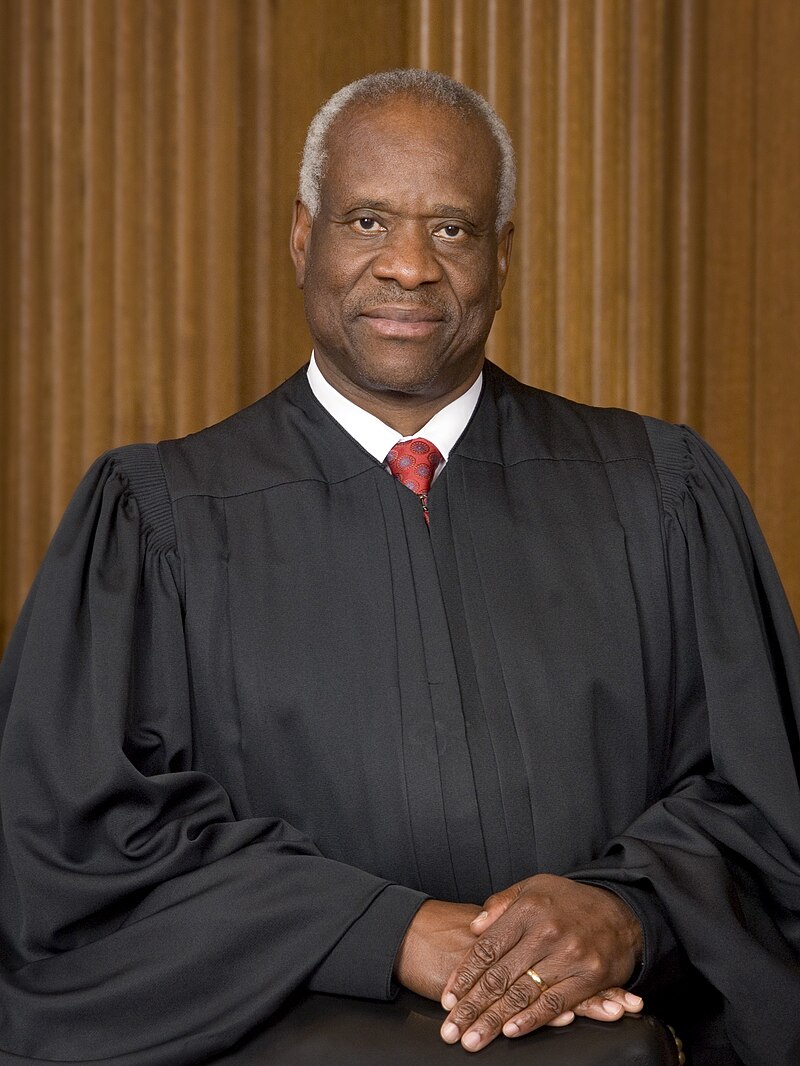
Justice Thomas
Majority
CT
Clarence Thomas
Majority
DS
David Souter
Majority
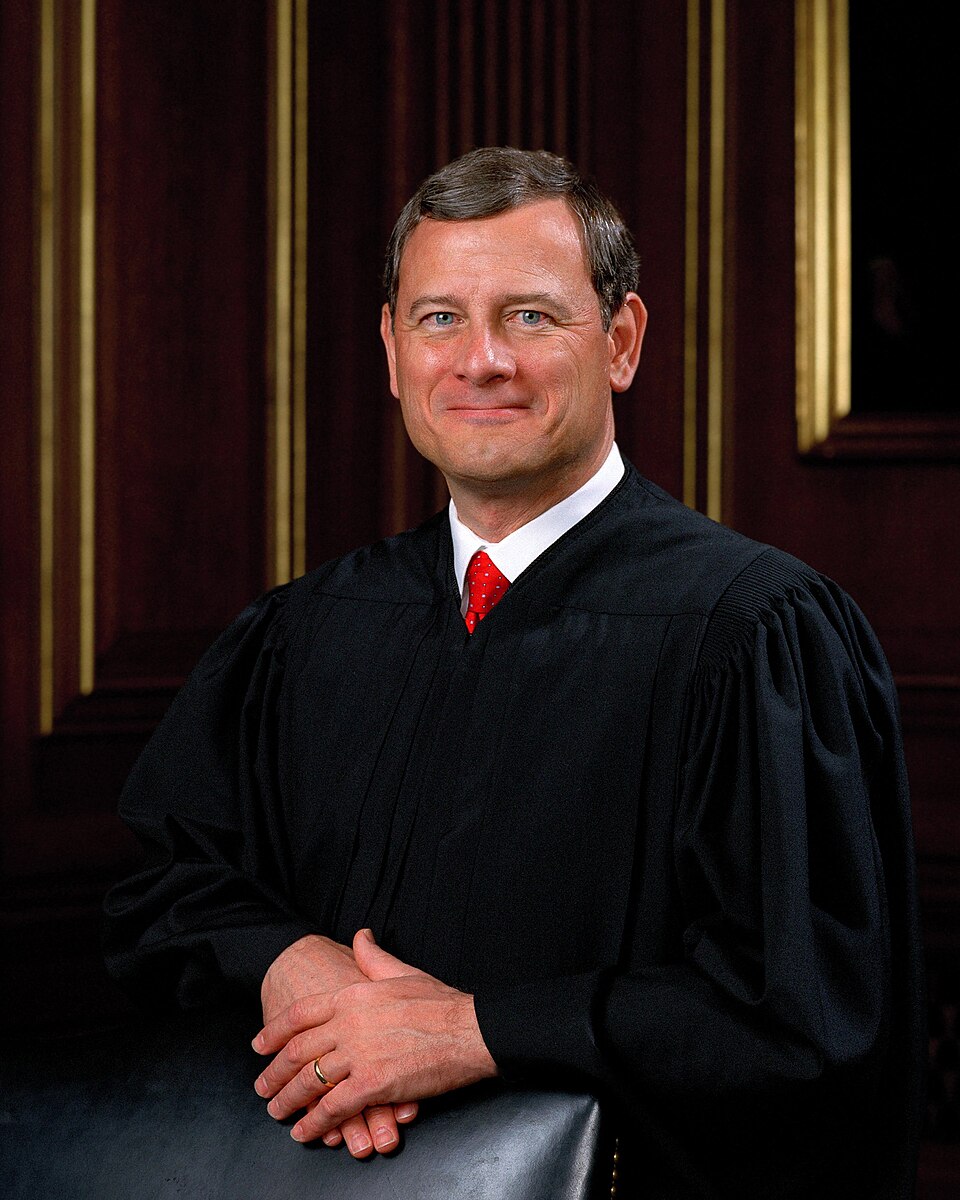
Chief Justice Roberts
Chief Justice
JR
John Roberts
Majority
Justice Alito
Majority
SA
Samuel Alito
Majority
SB
Stephen Breyer
Majority
Dissented
2 justicesJP
John Stevens
Dissent
RB
Ruth Ginsburg
Dissent
What this means for you
Twombly matters because many plaintiffs need discovery to uncover evidence of wrongdoing, especially in antitrust, civil-rights, employment, prison, and corporate-misconduct cases. A higher pleading threshold can screen out weak claims, but it can also block people from reaching discovery when key evidence is controlled by defendants. Together, Twombly and Iqbal changed the front door of federal court.
Key Takeaways
- The Court adopted a plausibility pleading standard under Rule 8.
- Parallel conduct alone did not plausibly allege an antitrust conspiracy.
- The decision retired the most permissive reading of Conley v. Gibson.
- Iqbal later applied the plausibility standard broadly across federal civil cases.
- The practical effect is stronger early dismissal power before discovery.
Decision
7-2 majority opinion
- Citation
- 550 U.S. 544 (2007)
- Vote
- 7-2
- Decision type
- Majority opinion
- Argued
- November 27, 2006
- Decided
- May 21, 2007
- Term
- 2006
- Opinion author
- David Souter
Justice Souter wrote the Court’s opinion, joined by Chief Justice Roberts and Justices Scalia, Kennedy, Thomas, Breyer, and Alito. Justice Stevens dissented, joined by Justice Ginsburg.