594 U.S. 647 (2021) · 2021
Brnovich v. Democratic National Committee
voting rightselection lawracial discriminationballot collectionVoting Rights ActLandmark
Summary
Brnovich upheld Arizona's out-of-precinct rule and ballot-collection restriction against Section 2 Voting Rights Act challenges. The Court announced guideposts for assessing voting burdens and racial disparities in vote-denial cases. The ruling made it harder for plaintiffs to challenge voting rules that burden minority voters but are framed as ordinary election administration.
Background & Context
After Shelby County weakened preclearance, Section 2 became one of the main tools for challenging racially discriminatory voting rules nationwide. Brnovich was the Court's first major Section 2 vote-denial case after that shift.
The Question Before the Court
Do Arizona's out-of-precinct voting rule and ballot-collection restriction violate Section 2 of the Voting Rights Act or reflect intentional racial discrimination?
Petitioner
Brnovich
Party asking the Court to review or reverse
Argued
- The rules imposed only ordinary voting burdens.
- Section 2 does not require maximizing voting convenience.
Respondent
Democratic National Committee
Party defending the judgment below
Argued
- The rules burdened minority voters more heavily.
- The ballot-collection law had discriminatory roots.
The Holding
Arizona's out-of-precinct voting rule and ballot-collection restriction do not violate Section 2 of the Voting Rights Act, and the ballot-collection law was not enacted with a racially discriminatory purpose.
The Court
How the justices lined up in this decision.
6-3
Vote
Joined decision
10 justices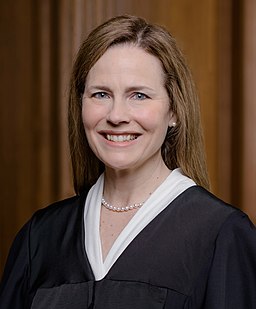
Justice Barrett
Majority
AC
Amy Barrett
Majority
BK
Brett Kavanaugh
Majority
CT
Clarence Thomas
Majority
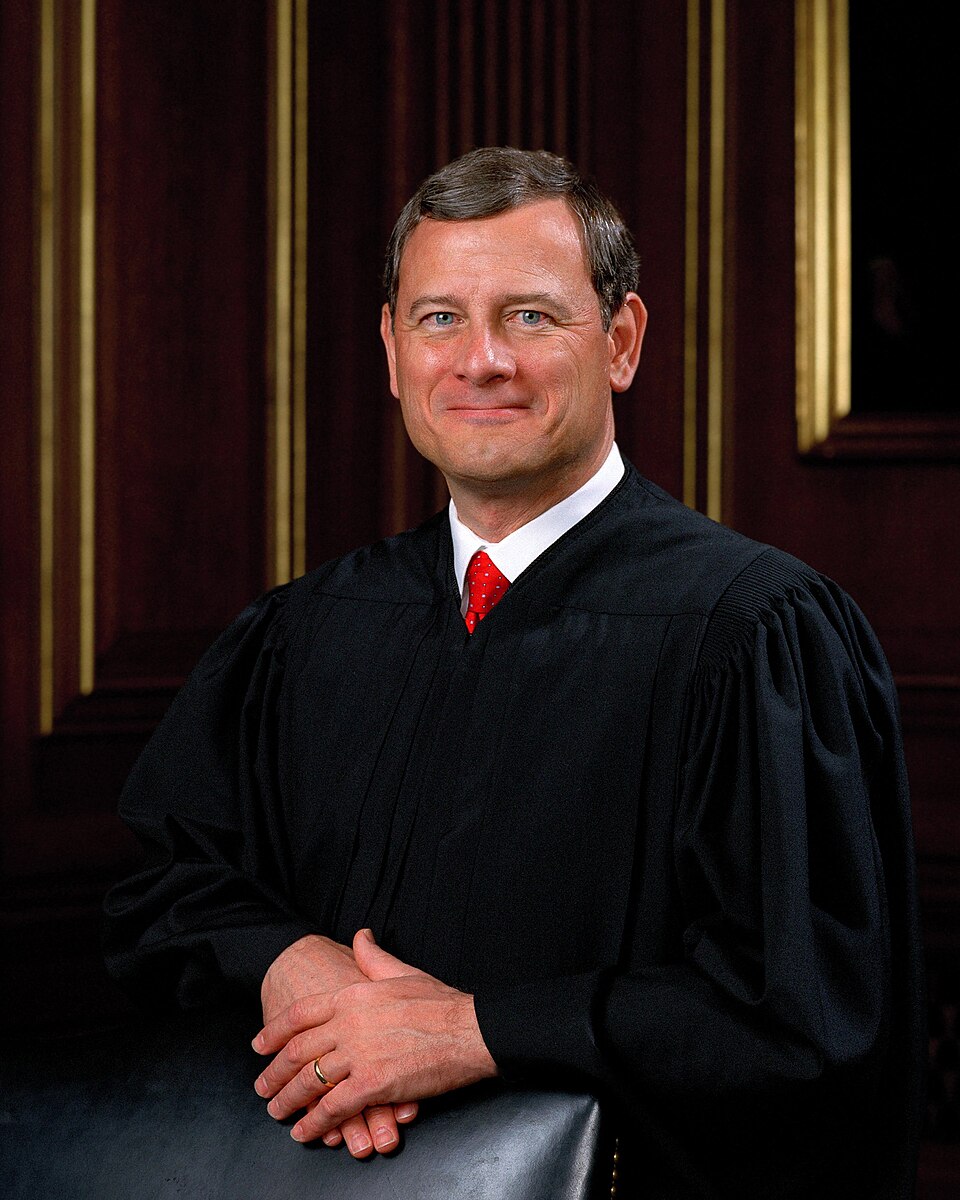
Chief Justice Roberts
Chief Justice
JR
John Roberts
Majority
NG
Neil Gorsuch
Majority
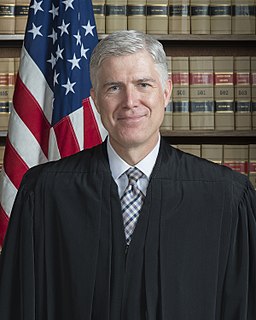
Justice Gorsuch
Majority
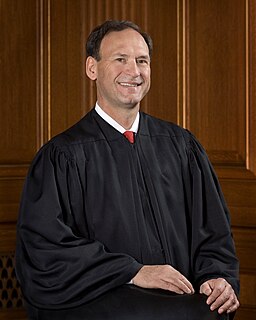
Justice Alito
Majority
SA
Samuel Alito
Majority
Concurred
2 justices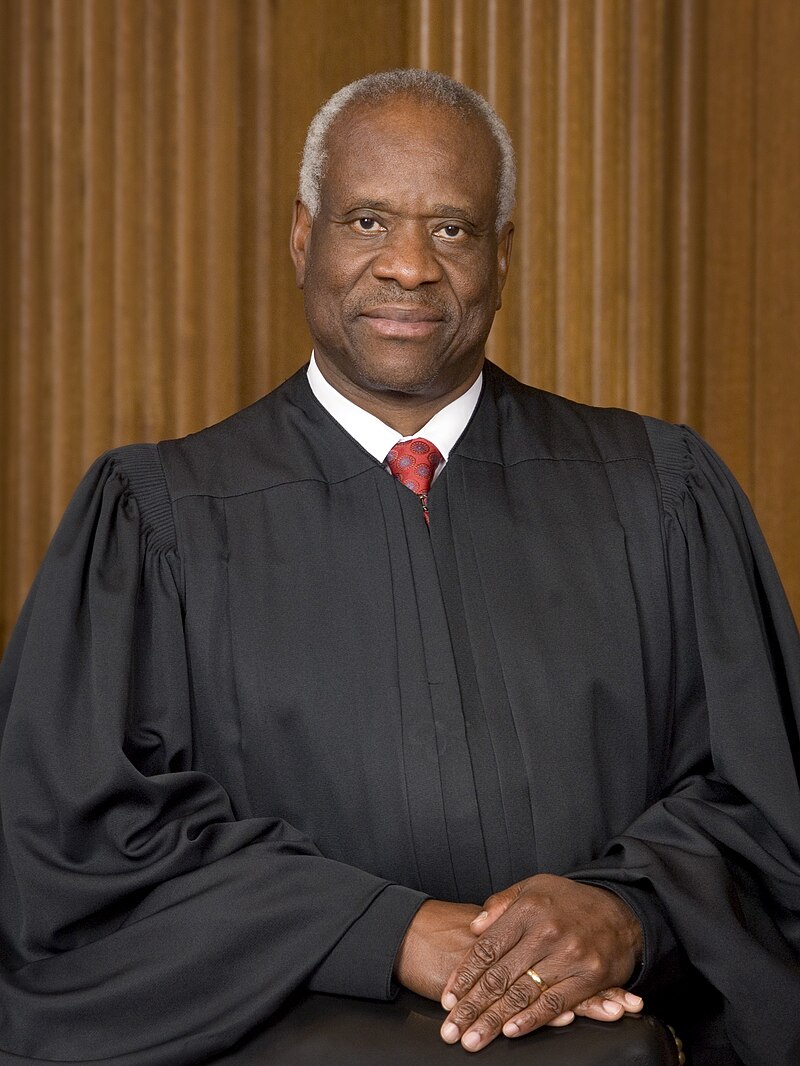
Justice Thomas
Concurred in judgment
Justice Kavanaugh
Concurred
Dissented
5 justices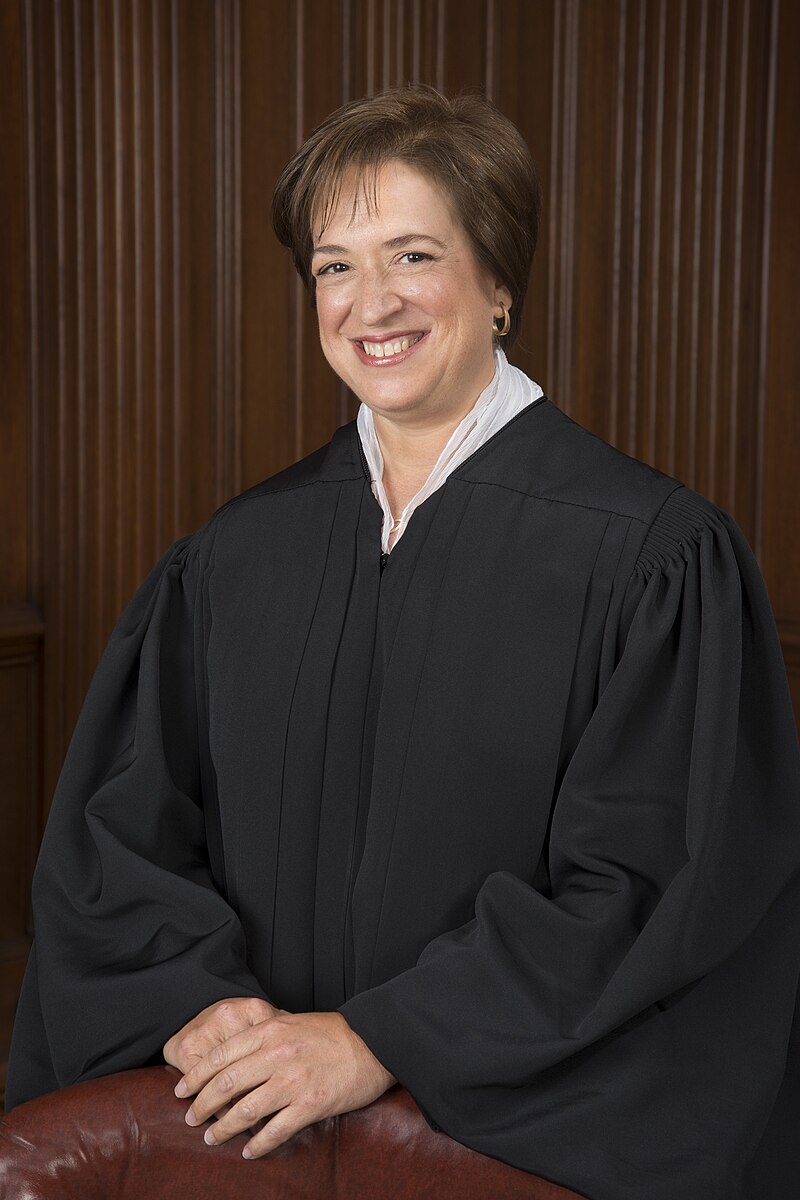
Justice Kagan
Dissent
EK
Elena Kagan
Dissent
Justice Sotomayor
Dissent
SS
Sonia Sotomayor
Dissent
SB
Stephen Breyer
Dissent
What this means for you
The ruling made Section 2 vote-denial claims harder to win, especially when a state can describe the burden as modest and point to other ways to vote. The impact falls heavily on Native voters, Latino voters, rural voters, low-income voters, and voters with limited mail access when challenged rules interact with geography, language, transportation, and work schedules.
Key Takeaways
- The Court upheld Arizona's out-of-precinct rule.
- The Court upheld Arizona's ballot-collection restriction.
- The majority announced guideposts for Section 2 vote-denial claims.
- The Court rejected the intentional-discrimination claim against the ballot-collection law.
- The dissent warned that the ruling weakened the Voting Rights Act.
Decision
6-3 majority opinion
- Citation
- 594 U.S. 647 (2021)
- Vote
- 6-3
- Decision type
- Majority opinion
- Argued
- March 2, 2021
- Decided
- July 1, 2021
- Term
- 2020
- Opinion author
- Samuel Alito
Justice Alito wrote the Court's opinion, joined by Chief Justice Roberts and Justices Thomas, Gorsuch, Kavanaugh, and Barrett. Justice Gorsuch concurred, joined by Justice Thomas. Justice Kagan dissented, joined by Justices Breyer and Sotomayor.