573 U.S. 682 (2014) · 2014
Burwell v. Hobby Lobby Stores, Inc.
religious libertyhealth carereproductive rightsAffordable Care ActRFRALandmark
Summary
Burwell v. Hobby Lobby held that applying the contraceptive-coverage mandate to closely held companies with religious objections violated RFRA. The Court did not decide a constitutional Free Exercise claim. It assumed the government had an important interest in access to contraception, but ruled that the mandate was not the least restrictive way to serve that interest for these employers.
Background & Context
Hobby Lobby Stores, Mardel, and Conestoga Wood Specialties were closely held companies whose owners objected on religious grounds to covering four contraceptive methods under federal health-plan rules. The companies challenged the mandate under RFRA and the Free Exercise Clause. The Tenth Circuit sided with Hobby Lobby, while the Third Circuit rejected Conestoga Wood's claim. The Supreme Court reviewed the consolidated disputes to decide whether RFRA protected the objecting companies from the mandate.
The Question Before the Court
Does RFRA allow closely held for-profit corporations to obtain an exemption from the federal contraceptive-coverage mandate when the owners object on religious grounds?
Petitioner
Sylvia Burwell, Secretary of Health and Human Services, et al.
Party asking the Court to review or reverse
Argued
- For-profit corporations are not the kind of religious exercise RFRA protects.
- The mandate served important health and equality interests.
- Exemptions would shift burdens to employees.
Respondent
Hobby Lobby Stores, Inc., et al.
Party defending the judgment below
Argued
- RFRA protects people who operate closely held businesses.
- The mandate imposed a substantial burden.
- Less restrictive alternatives existed.
The Holding
As applied to closely held for-profit corporations, HHS regulations requiring employer health plans to cover the challenged contraceptive methods violated the Religious Freedom Restoration Act. The Court assumed without deciding that the government had a compelling interest, but held that the mandate was not the least restrictive means for these objecting employers.
The Court
How the justices lined up in this decision.
5-4
Vote
Joined decision
8 justicesAM
Anthony Kennedy
Majority
AS
Antonin Scalia
Majority
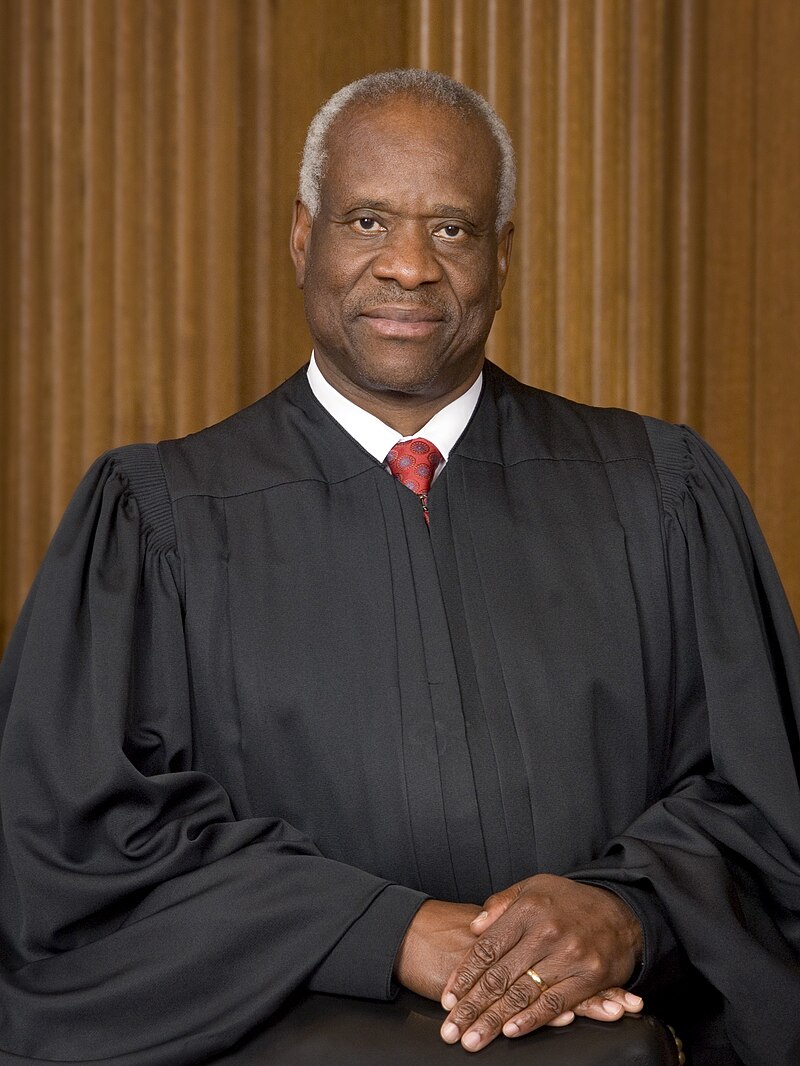
Justice Thomas
Majority
CT
Clarence Thomas
Majority
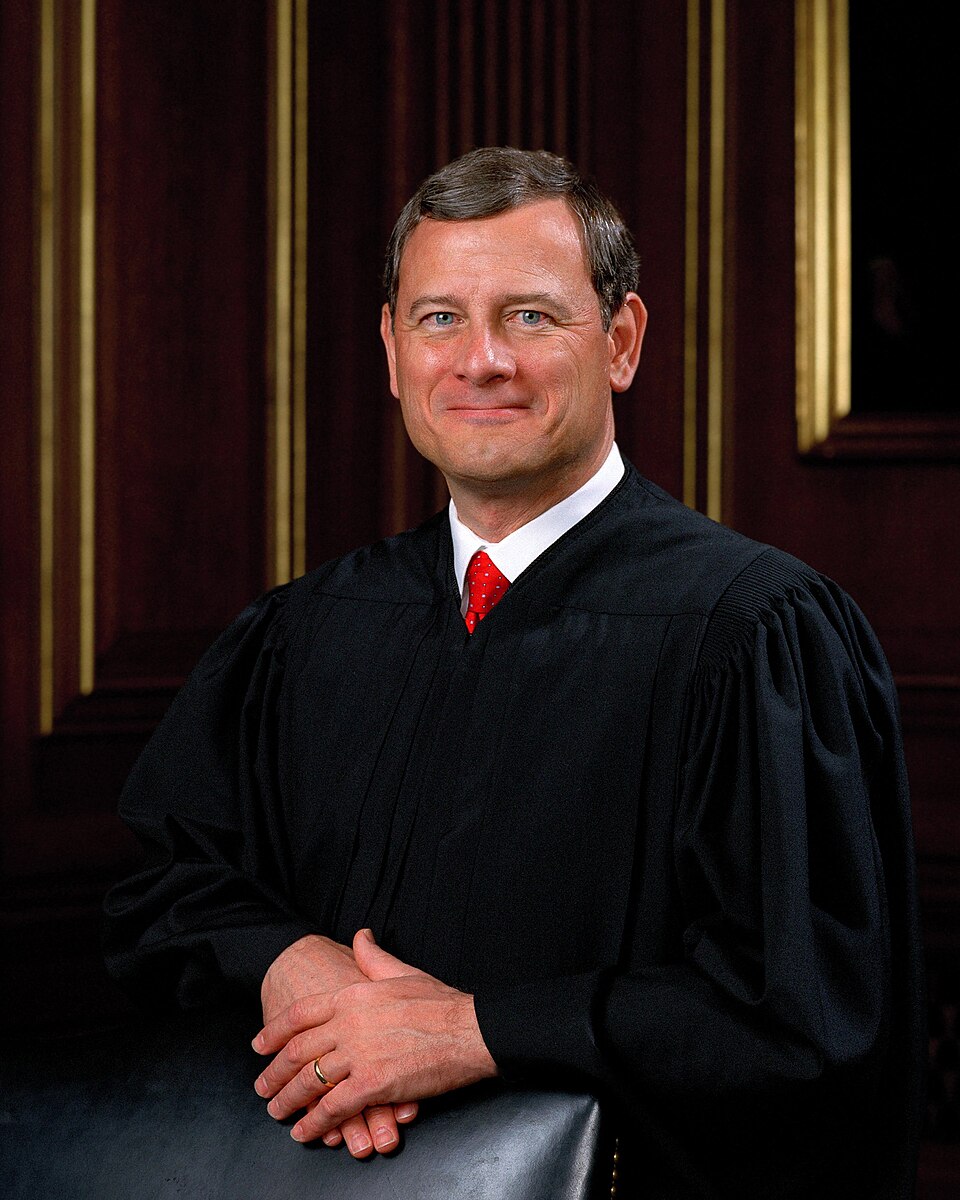
Chief Justice Roberts
Chief Justice
JG
John Jr.
Majority
Justice Alito
Majority
SA
Samuel Jr.
Majority
Dissented
6 justices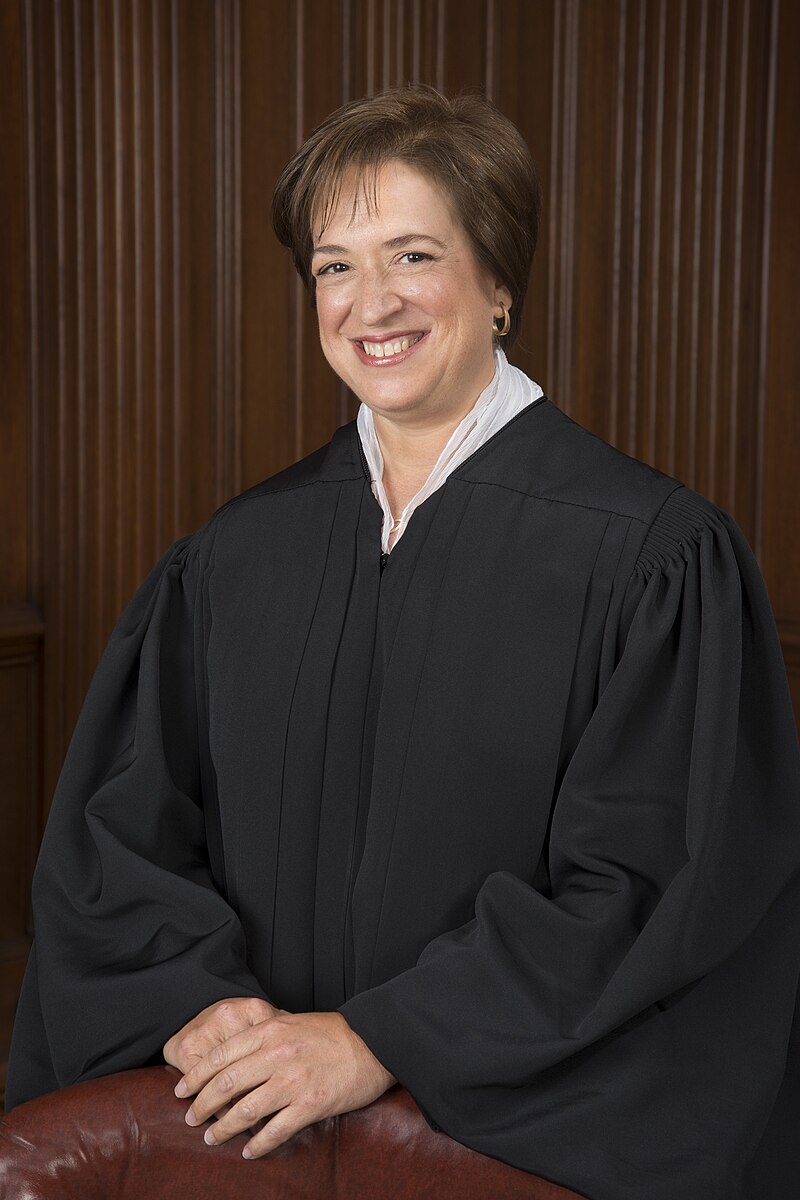
Justice Kagan
Dissent
EK
Elena Kagan
Dissent
RB
Ruth Ginsburg
Dissent
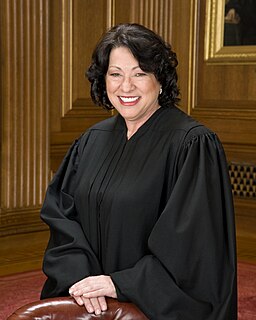
Justice Sotomayor
Dissent
SS
Sonia Sotomayor
Dissent
SG
Stephen Breyer
Dissent
What this means for you
The ruling allowed some closely held for-profit employers to seek RFRA exemptions from the contraceptive-coverage mandate. Employees affected by objecting employers could face changes in how coverage was provided, while the government and insurers had to use accommodation systems to preserve access. The decision also made RFRA a more important tool for religious-exemption claims by some businesses, while the Court said it was addressing the contraceptive mandate rather than every religious objection to federal law.
Key Takeaways
- The decision rested on RFRA, not on a constitutional Free Exercise holding.
- The Court treated closely held for-profit corporations as capable of invoking RFRA in this context.
- The majority found a substantial burden because noncompliance carried major financial penalties.
- The Court assumed a compelling government interest but held the mandate was not the least restrictive means.
- The ruling concerned the contraceptive mandate and did not create a general right for employers to ignore federal law.
Decision
5-4 majority opinion
- Citation
- 573 U.S. 682 (2014)
- Vote
- 5-4
- Decision type
- Majority opinion
- Argued
- March 25, 2014
- Decided
- June 30, 2014
- Term
- 2013
- Opinion author
- Samuel A. Alito, Jr.
5-4. Justice Samuel A. Alito, Jr. wrote the majority opinion, joined by Chief Justice John G. Roberts, Jr. and Justices Antonin Scalia, Anthony M. Kennedy, and Clarence Thomas. Justice Kennedy concurred. Justice Ruth Bader Ginsburg dissented, joined by Justice Sonia Sotomayor and joined in part by Justices Stephen G. Breyer and Elena Kagan; Justices Breyer and Kagan also filed a separate dissent.