577 U.S. 411 (2016) · 2016
Caetano v. Massachusetts
Second Amendmentself-defenseweapons regulationstun gunsstate criminal law
Summary
Caetano was a narrow per curiam Second Amendment decision. The Court vacated a Massachusetts judgment because the state court used reasoning that conflicted with Heller and McDonald when it excluded stun guns from protection. The Court did not conduct a full merits review of all stun-gun regulation, but it made clear that modern arms are not outside the Second Amendment for that reason alone.
Background & Context
Caetano carried a stun gun after threats from an abusive former boyfriend. Police found it during an unrelated encounter, and Massachusetts prosecuted her under a statute banning civilian possession of electrical weapons. The Massachusetts Supreme Judicial Court affirmed her conviction, reasoning that stun guns were not protected because they were not in common use when the Second Amendment was enacted, were dangerous and unusual, and were not readily adaptable to military use. The U.S. Supreme Court reviewed that reasoning against Heller and McDonald.
The Question Before the Court
May a state court exclude stun guns from Second Amendment protection because they are modern weapons, are treated as unusual for that reason, or are not useful in warfare?
Petitioner
Jaime Caetano
Party asking the Court to review or reverse
Argued
- Heller protects modern bearable arms.
- Stun guns are used for lawful self-defense.
- Massachusetts used reasoning Heller rejected.
Respondent
Massachusetts
Party defending the judgment below
Argued
- The state defended its authority to regulate stun guns.
- The state court treated stun guns as outside the protected class of arms.
- The state sought to preserve police-power regulation of weapons.
The Holding
The Massachusetts Supreme Judicial Court's reasons for excluding stun guns from Second Amendment protection contradicted Heller and McDonald. The Supreme Court granted certiorari, vacated the judgment, and remanded for further proceedings. The per curiam opinion did not decide every question about stun-gun regulation or announce a full merits ruling on the Massachusetts statute.
The Court
How the justices lined up in this decision.
8-0
Vote
Joined decision
13 justicesAM
Anthony Kennedy
Majority
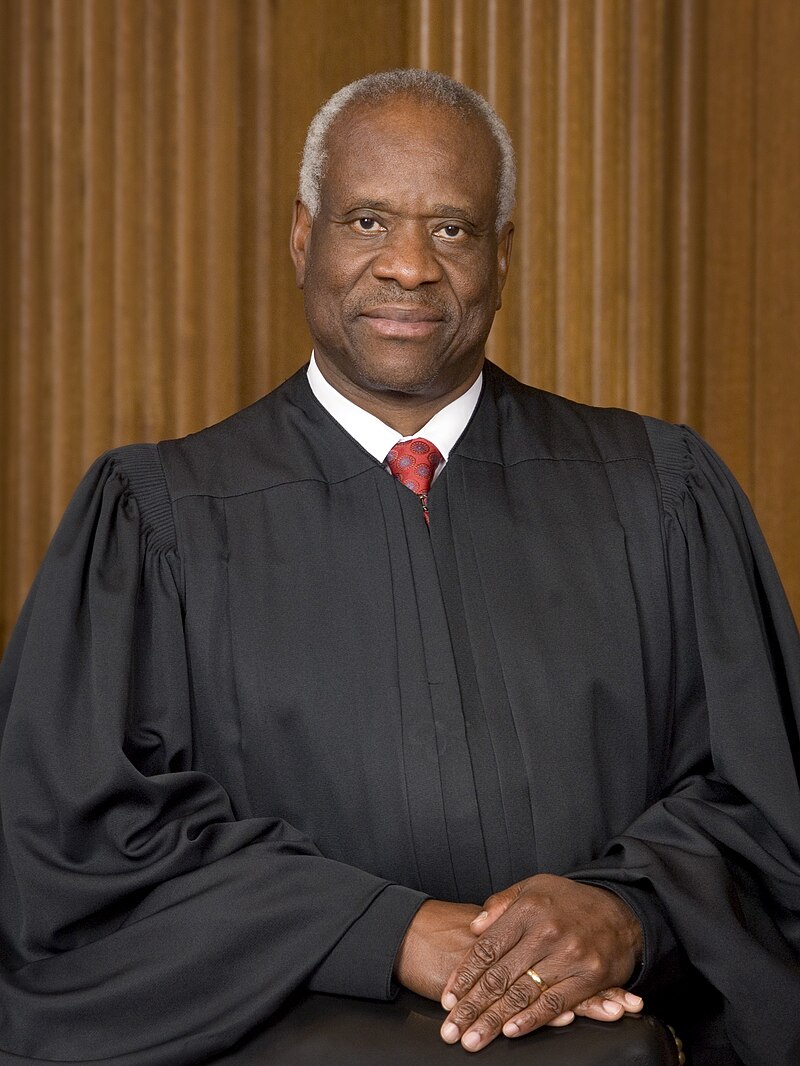
Justice Thomas
Majority
CT
Clarence Thomas
Majority
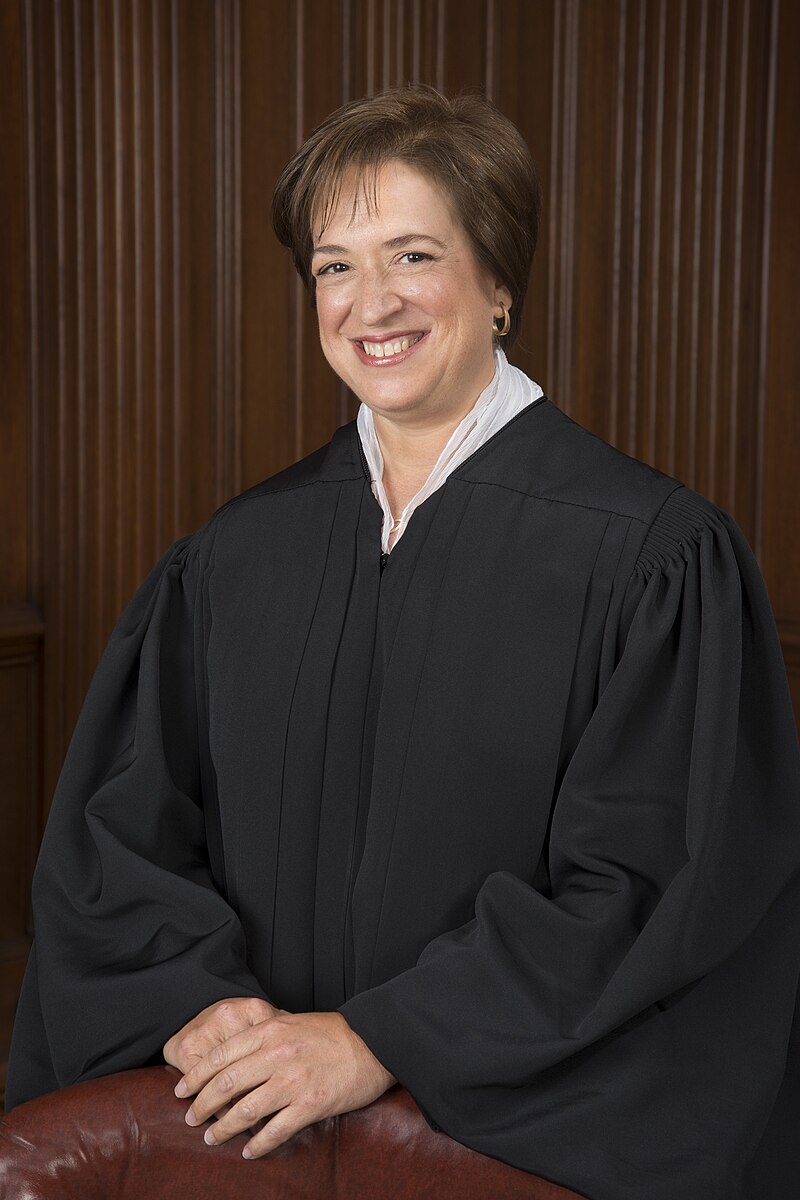
Justice Kagan
Majority
EK
Elena Kagan
Majority

Chief Justice Roberts
Chief Justice
JG
John Jr.
Majority
RB
Ruth Ginsburg
Majority
Justice Alito
Majority
SA
Samuel Jr.
Majority

Justice Sotomayor
Majority
SS
Sonia Sotomayor
Majority
SG
Stephen Breyer
Majority
What this means for you
Caetano limits how lower courts may analyze modern defensive weapons. A court may not deny Second Amendment coverage solely because a weapon did not exist in the eighteenth century or is not suited for military use. The ruling was narrow because it vacated and remanded rather than fully deciding the validity of every stun-gun regulation, but it strengthened challenges to categorical bans on modern self-defense devices.
Key Takeaways
- The case was not orally argued; the Court granted, vacated, and remanded in a per curiam order.
- The Court rejected a rule limiting Second Amendment protection to weapons that existed at the founding.
- The Court rejected reliance on military usefulness as a requirement for protection.
- The decision enforced Heller and McDonald against a state-court analysis of stun guns.
- Justice Alito, joined by Justice Thomas, wrote separately that Massachusetts' categorical ban violated the Second Amendment.
Decision
8-0 per curiam order
- Citation
- 577 U.S. 411 (2016)
- Vote
- 8-0
- Decision type
- Per curiam order
- Argued
- No oral argument
- Decided
- March 21, 2016
- Term
- 2015
- Opinion author
- Unsigned per curiam
Per curiam grant, vacate, and remand with no dissent noted. The Court had eight participating justices after Justice Scalia died in February 2016. Justice Samuel A. Alito, Jr. concurred in the judgment, joined by Justice Clarence Thomas.