558 U.S. 310 (2010) · 2010
Citizens United v. Federal Election Commission
First Amendmentcampaign financeelection lawcorporate speechpolitical spendingLandmark
Summary
Citizens United held that the government cannot ban independent political spending by corporations and unions because of the speaker's identity. The decision struck down federal limits on corporate and union independent expenditures for electioneering communications, while leaving disclosure and disclaimer requirements in place. It did not authorize direct corporate contributions to candidates.
Background & Context
Citizens United produced a documentary criticizing then-Senator Hillary Clinton and wanted to distribute it through video on demand and advertise it during the 2008 Democratic primary season. Federal law barred corporations and unions from using general treasury funds for certain electioneering communications near elections. The case first focused on the film and ads, but after argument the Court ordered reargument on whether Austin and part of McConnell should be overruled.
The Question Before the Court
May the government prohibit corporations and unions from using general treasury funds for independent political expenditures and electioneering communications based on the speaker being a corporation or union?
Petitioner
Citizens United
Party asking the Court to review or reverse
Argued
- Independent political speech is protected by the First Amendment.
- Independent expenditures do not create quid pro quo corruption.
- The film and ads were core political speech.
Respondent
Federal Election Commission
Party defending the judgment below
Argued
- Congress may limit corporate election spending to protect democratic elections.
- Existing precedent supported the restrictions.
- Disclosure and disclaimer rules inform voters.
The Holding
The First Amendment bars the government from prohibiting corporations and unions from making independent expenditures for political speech based on the speaker's corporate identity. The Court overruled Austin and partly overruled McConnell on corporate independent expenditures, but it upheld disclaimer and disclosure requirements for the film and ads.
The Court
How the justices lined up in this decision.
5-4
Vote
Joined decision
8 justicesAM
Anthony Kennedy
Majority
AS
Antonin Scalia
Majority
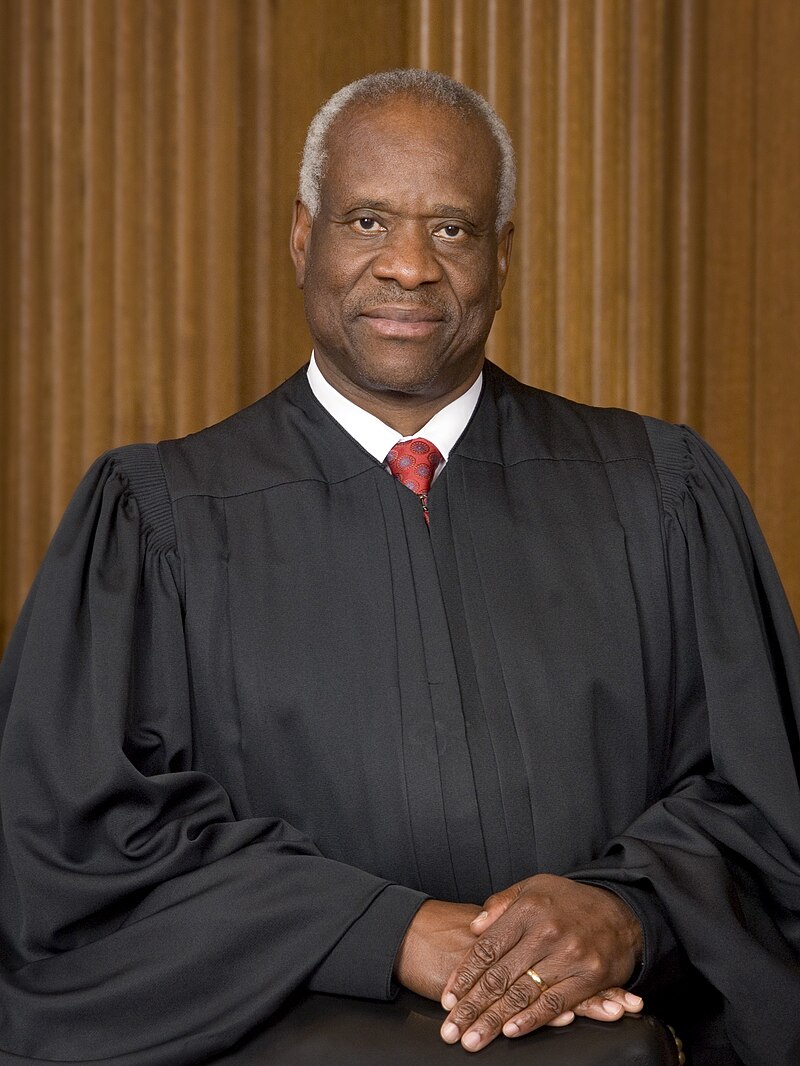
Justice Thomas
Majority
CT
Clarence Thomas
Majority
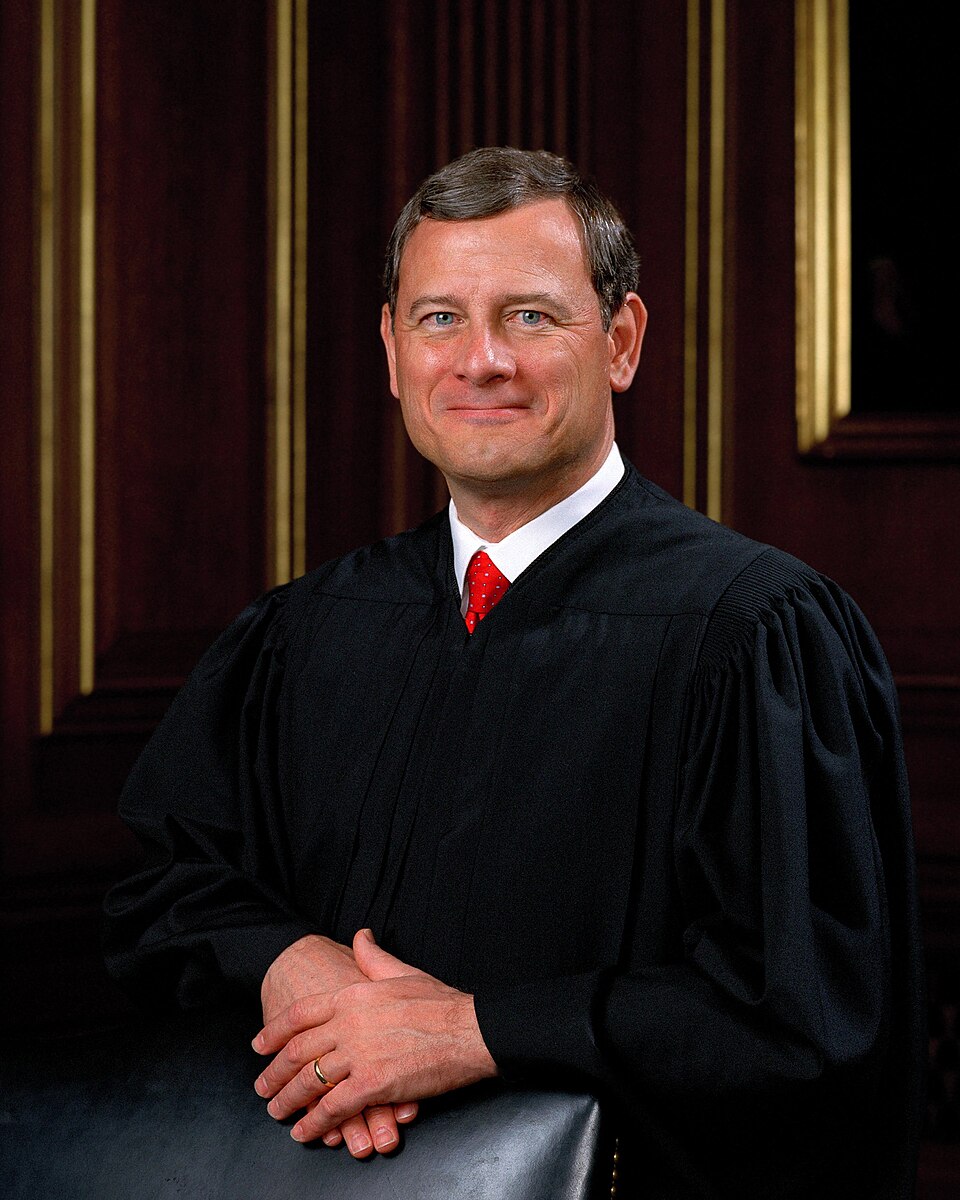
Chief Justice Roberts
Chief Justice
JG
John Jr.
Majority
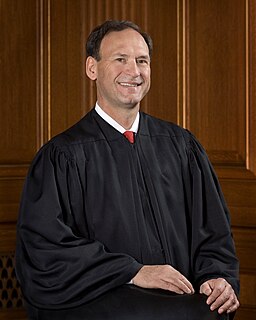
Justice Alito
Majority
SA
Samuel Jr.
Majority
Dissented
5 justicesJP
John Stevens
Dissent
RB
Ruth Ginsburg
Dissent
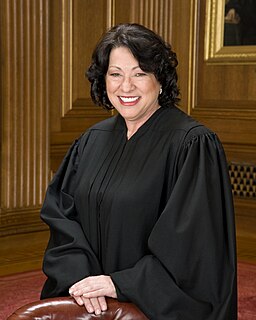
Justice Sotomayor
Dissent
SS
Sonia Sotomayor
Dissent
SG
Stephen Breyer
Dissent
What this means for you
The ruling opened the door to much larger independent spending by corporations, unions, nonprofits, and outside groups in elections. It helped create the legal environment for super PACs after later lower-court decisions, while leaving limits on direct contributions and coordinated spending outside the holding. Voters now encounter more independently funded political advertising, and disclosure rules remain one of the main tools for identifying some sponsors.
Key Takeaways
- The Court protected independent political expenditures by corporations and unions under the First Amendment.
- The ruling overruled Austin and partly overruled McConnell on corporate independent expenditure restrictions.
- The decision did not permit direct corporate contributions to candidates or coordinated campaign spending.
- The Court upheld disclosure and disclaimer requirements for the communications at issue.
- The ruling reshaped election spending and helped set the stage for super PACs after later lower-court decisions.
Decision
5-4 majority opinion
- Citation
- 558 U.S. 310 (2010)
- Vote
- 5-4
- Decision type
- Majority opinion
- Argued
- March 24, 2009
- Decided
- January 21, 2010
- Term
- 2009
- Opinion author
- Anthony M. Kennedy
5-4 on the independent-expenditure holding. Justice Anthony M. Kennedy wrote the opinion of the Court, joined by Chief Justice John G. Roberts, Jr. and Justices Antonin Scalia, Clarence Thomas, and Samuel A. Alito, Jr. Justice John Paul Stevens dissented in part, joined by Justices Ruth Bader Ginsburg, Stephen G. Breyer, and Sonia Sotomayor. The Court upheld the challenged disclosure and disclaimer requirements, with Justice Thomas dissenting from that part.