530 U.S. 428 (2000) · 2000
Dickerson v. United States
Fifth AmendmentMiranda RightsCriminal ProcedureSelf-IncriminationSeparation of PowersLandmark
Summary
Dickerson v. United States reaffirmed Miranda as a constitutional rule that Congress could not override by statute. The decision kept the Miranda warning framework in place for custodial interrogation and rejected an attempt to replace it with a voluntariness-only test.
Background & Context
Congress enacted Section 3501 after Miranda, making voluntariness the test for admitting confessions in federal prosecutions. Dickerson forced the Court to decide whether that statute displaced Miranda or whether Miranda was a constitutional rule beyond congressional override.
The Question Before the Court
May Congress override Miranda by statute and make voluntariness the sole test for admitting statements from custodial interrogation?
Petitioner
Charles Dickerson
Party asking the Court to review or reverse
Argued
- Dickerson argued that Miranda set a constitutional rule protecting the Fifth Amendment and could not be displaced by statute.
- He argued that his statements should be suppressed because he was interrogated before receiving Miranda warnings.
Respondent
United States
Party defending the judgment below
Argued
- The United States argued that Section 3501 made voluntary confessions admissible even if Miranda warnings were not given.
- The government argued that Miranda was a judicially created rule that Congress could replace with another admissibility standard.
The Holding
Miranda announced a constitutional rule that Congress may not supersede by statute. 18 U.S.C. 3501, which tried to make voluntariness the sole test for admitting custodial statements in federal court, could not override Miranda's warning requirements.
The Court
How the justices lined up in this decision.
0-1
Vote
Joined decision
7 justicesAM
Anthony Kennedy
Majority
DH
David Souter
Majority
JP
John Stevens
Majority
RB
Ruth Ginsburg
Majority
SD
Sandra O'Connor
Majority
SG
Stephen Breyer
Majority
WH
William Rehnquist
Majority
Dissented
3 justicesAS
Antonin Scalia
Dissent
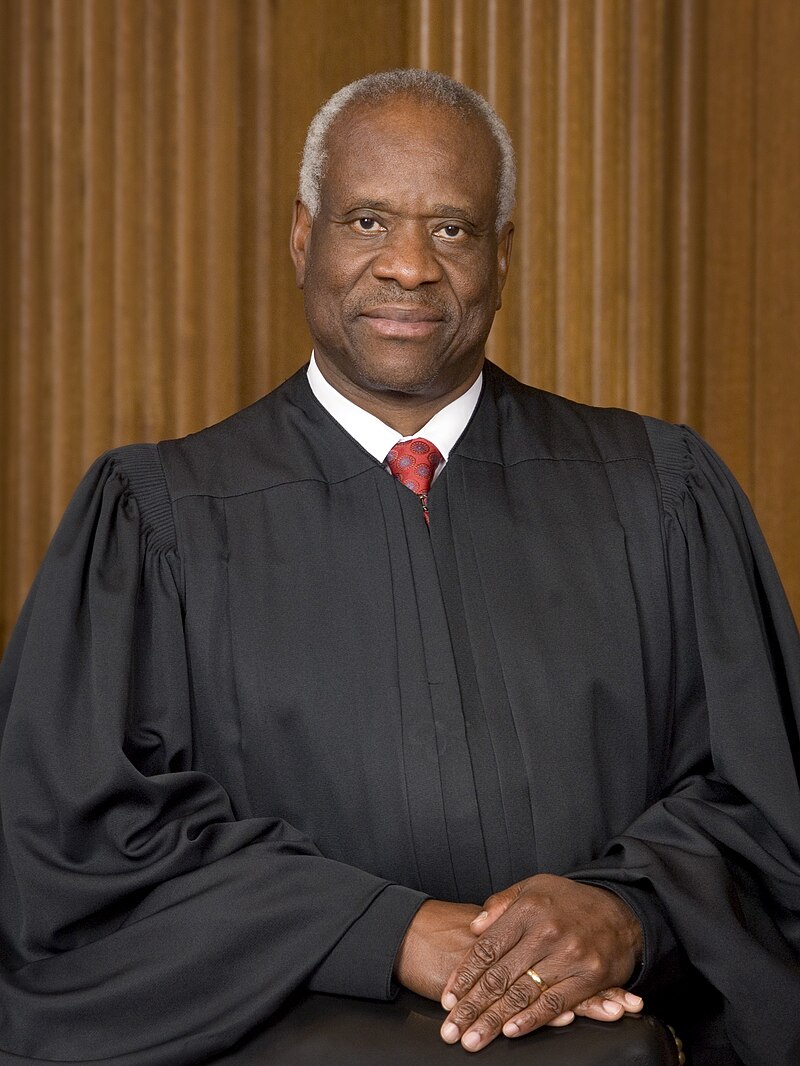
Justice Thomas
Dissent
CT
Clarence Thomas
Dissent
What this means for you
Dickerson preserved Miranda as a constitutional rule governing custodial interrogation in state and federal courts. It kept standardized warnings at the center of police practice and limited Congress's ability to replace the Court's constitutional criminal-procedure rules by ordinary statute.
Key Takeaways
- Miranda applies to custodial interrogation in state and federal courts.
- Congress cannot supersede a constitutional decision by ordinary statute.
- The Court declined to overrule Miranda, citing its constitutional basis and long use in police practice.
- The decision did not decide that every unwarned statement is compelled; it preserved Miranda's prophylactic warning framework.
- Section 3501 could not restore voluntariness as the sole admissibility test.
Decision
0-1 majority opinion
- Citation
- 530 U.S. 428 (2000)
- Vote
- 0-1
- Decision type
- Majority opinion
- Argued
- April 19, 2000
- Decided
- June 26, 2000
- Term
- 1999
- Opinion author
- William H. Rehnquist
Chief Justice Rehnquist wrote for a seven-justice majority joined by Justices Stevens, O'Connor, Kennedy, Souter, Ginsburg, and Breyer. Justice Scalia dissented, joined by Justice Thomas.