554 U.S. 570 (2008) · 2008
District of Columbia v. Heller
Second Amendmentgun rightsself-defensefirearms regulationconstitutional interpretationLandmark
Summary
Heller held that the Second Amendment protects an individual right to keep a firearm for lawful self-defense in the home. The Court struck down D.C.'s handgun ban and functional-storage rule, but it also said the right is not unlimited and did not question several longstanding categories of firearms regulation.
Background & Context
Heller worked as a special police officer in Washington, D.C. and was allowed to carry a handgun at work, but the District refused his application to register a handgun for his home. He challenged the handgun ban, the home licensing rule as applied to carrying a handgun at home, and the requirement that lawful firearms be kept unloaded, disassembled, or locked. The case asked the Court to resolve whether the Second Amendment protects an individual right to keep and bear arms or only a right tied to militia service.
The Question Before the Court
Do D.C. laws that prohibit handgun registration and require lawful firearms in the home to be kept nonfunctional violate the Second Amendment right to keep and bear arms?
Petitioner
District of Columbia et al.
Party asking the Court to review or reverse
Argued
- The Second Amendment protects militia-related interests, not a freestanding right to handguns.
- The handgun ban addressed public safety in an urban jurisdiction.
- Storage rules were safety regulations.
Respondent
Dick Anthony Heller
Party defending the judgment below
Argued
- The Second Amendment protects an individual right.
- Handguns are commonly used for lawful self-defense.
- The storage rule defeated the right to self-defense.
The Holding
The Second Amendment protects an individual right to possess a firearm unconnected with militia service and to use that firearm for traditionally lawful purposes, including self-defense in the home. The District of Columbia's handgun ban and its requirement that lawful firearms in the home be kept nonfunctional violated that right.
The Court
How the justices lined up in this decision.
5-4
Vote
Joined decision
8 justicesAM
Anthony Kennedy
Majority
AS
Antonin Scalia
Majority
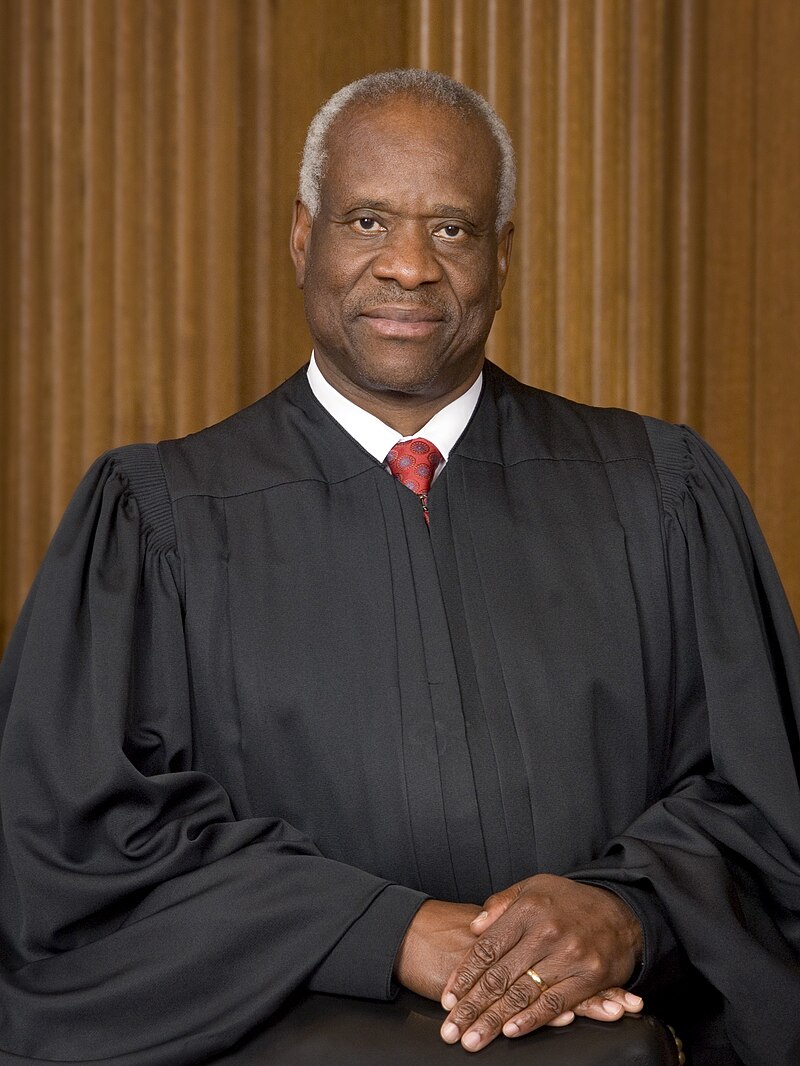
Justice Thomas
Majority
CT
Clarence Thomas
Majority

Chief Justice Roberts
Chief Justice
JG
John Jr.
Majority
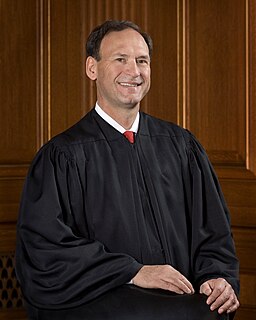
Justice Alito
Majority
SA
Samuel Jr.
Majority
Dissented
4 justicesDH
David Souter
Dissent
JP
John Stevens
Dissent
RB
Ruth Ginsburg
Dissent
SG
Stephen Breyer
Dissent
What this means for you
Heller transformed Second Amendment litigation by recognizing an individual constitutional right to possess a firearm for lawful self-defense in the home. It invalidated D.C.'s handgun ban and functional-storage rule, but it did not strike down all gun regulation. Legislatures and courts still evaluate laws such as bans on possession by felons, restrictions in sensitive places, and commercial-sale rules under later Second Amendment doctrine.
Key Takeaways
- The Court recognized an individual Second Amendment right separate from active militia service.
- The core protected use identified in the case was lawful self-defense in the home.
- The ruling invalidated D.C.'s handgun ban and its rule making home firearms nonfunctional for self-defense.
- The Court said the right is not unlimited and gave examples of regulations it was not calling into doubt.
- McDonald v. Chicago later applied Heller's individual-right holding against state and local governments.
Decision
5-4 majority opinion
- Citation
- 554 U.S. 570 (2008)
- Vote
- 5-4
- Decision type
- Majority opinion
- Argued
- March 18, 2008
- Decided
- June 26, 2008
- Term
- 2007
- Opinion author
- Antonin Scalia
5-4. Justice Antonin Scalia wrote the majority opinion, joined by Chief Justice John G. Roberts, Jr. and Justices Anthony M. Kennedy, Clarence Thomas, and Samuel A. Alito, Jr. Justice John Paul Stevens dissented, joined by Justices David H. Souter, Ruth Bader Ginsburg, and Stephen G. Breyer. Justice Breyer filed a separate dissent, joined by Justices Stevens, Souter, and Ginsburg.