597 U.S. 215 (2022) · 2022
Dobbs v. Jackson Women's Health Organization
abortionreproductive rightssubstantive due processstate powerprivacyLandmark
Summary
Dobbs held that the Constitution does not protect a right to abortion, overruled Roe and Casey, and upheld Mississippi's 15-week abortion ban. The ruling ended nearly 50 years of federal constitutional abortion protection and allowed states to ban or severely restrict abortion.
Background & Context
Roe and Casey had protected abortion before viability. Mississippi's law banned most abortions after 15 weeks. Dobbs asked whether all pre-viability bans were unconstitutional, and the Court used the case to overrule the constitutional right to abortion entirely.
The Question Before the Court
Does the Constitution protect a right to abortion, and are pre-viability abortion bans categorically unconstitutional?
Petitioner
Dobbs
Party asking the Court to review or reverse
Argued
- Roe and Casey were wrongly decided and should be overruled.
- Fetal viability is not a constitutionally meaningful line.
- Democratic accountability should determine abortion policy.
Respondent
Jackson Women's Health Organization
Party defending the judgment below
Argued
- Roe and Casey are established precedent that the Court should not abandon.
- The right to abortion is grounded in the constitutional right to liberty and bodily autonomy.
- Mississippi's 15-week ban is unconstitutional under existing precedent.
The Holding
The Constitution does not confer a right to abortion. Roe v. Wade and Planned Parenthood v. Casey are overruled, and authority to regulate abortion is returned to the people and their elected representatives.
The Court
How the justices lined up in this decision.
5-3
Vote
Joined decision
10 justices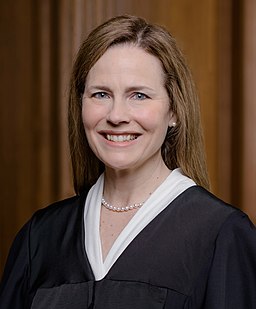
Justice Barrett
Majority
AC
Amy Barrett
Majority
BK
Brett Kavanaugh
Majority
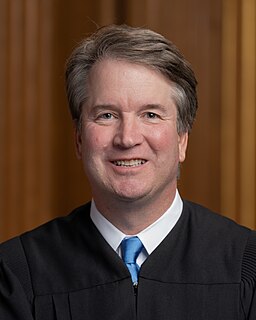
Justice Kavanaugh
Majority
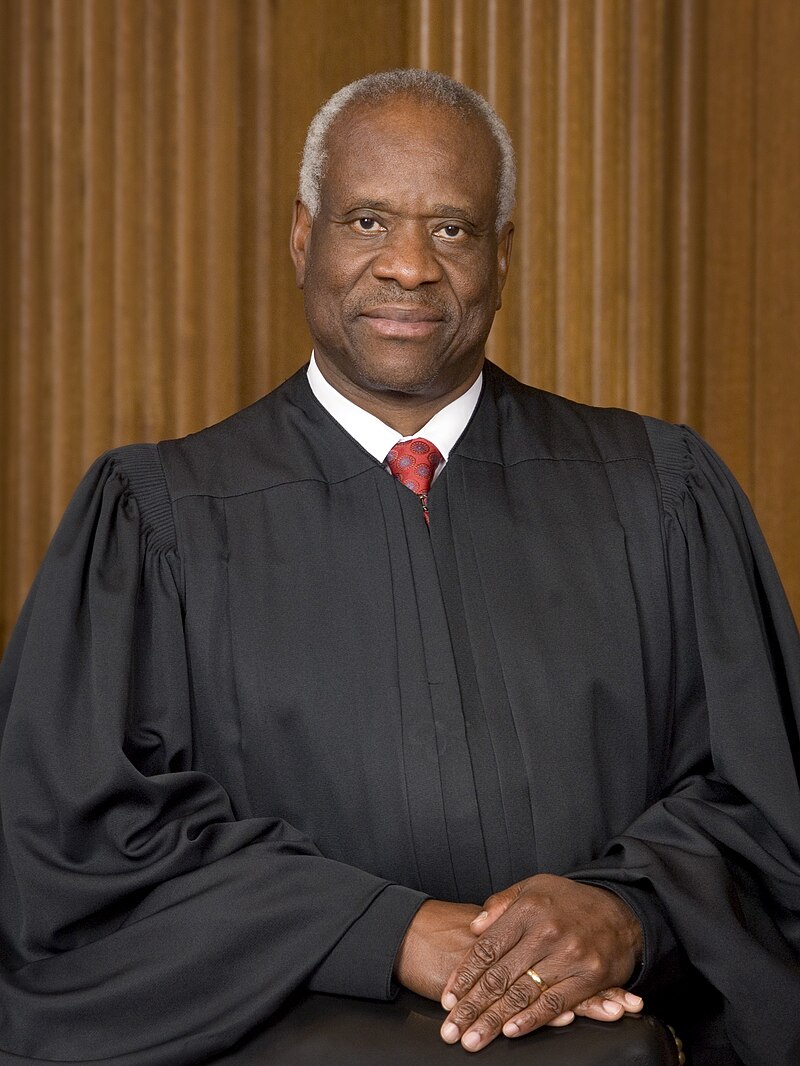
Justice Thomas
Majority
CT
Clarence Thomas
Majority
NG
Neil Gorsuch
Majority
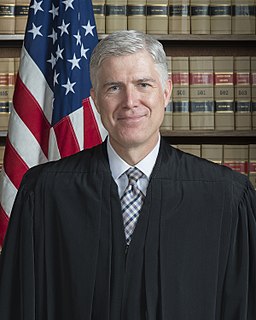
Justice Gorsuch
Majority
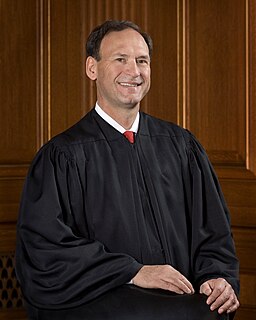
Justice Alito
Majority
SA
Samuel Alito
Majority
Concurred
2 justices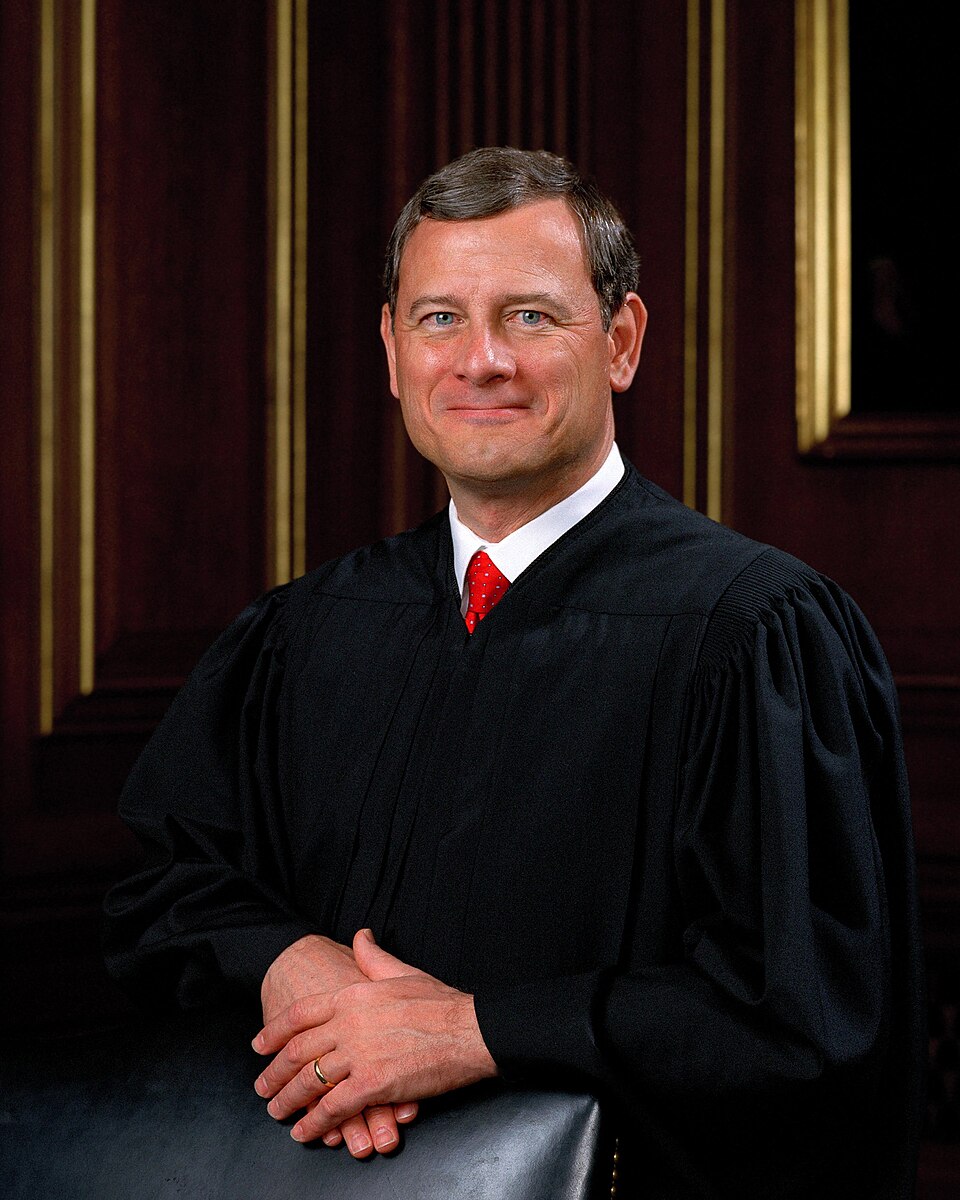
Chief Justice Roberts
Chief Justice
JR
John Roberts
Concurred
Dissented
5 justices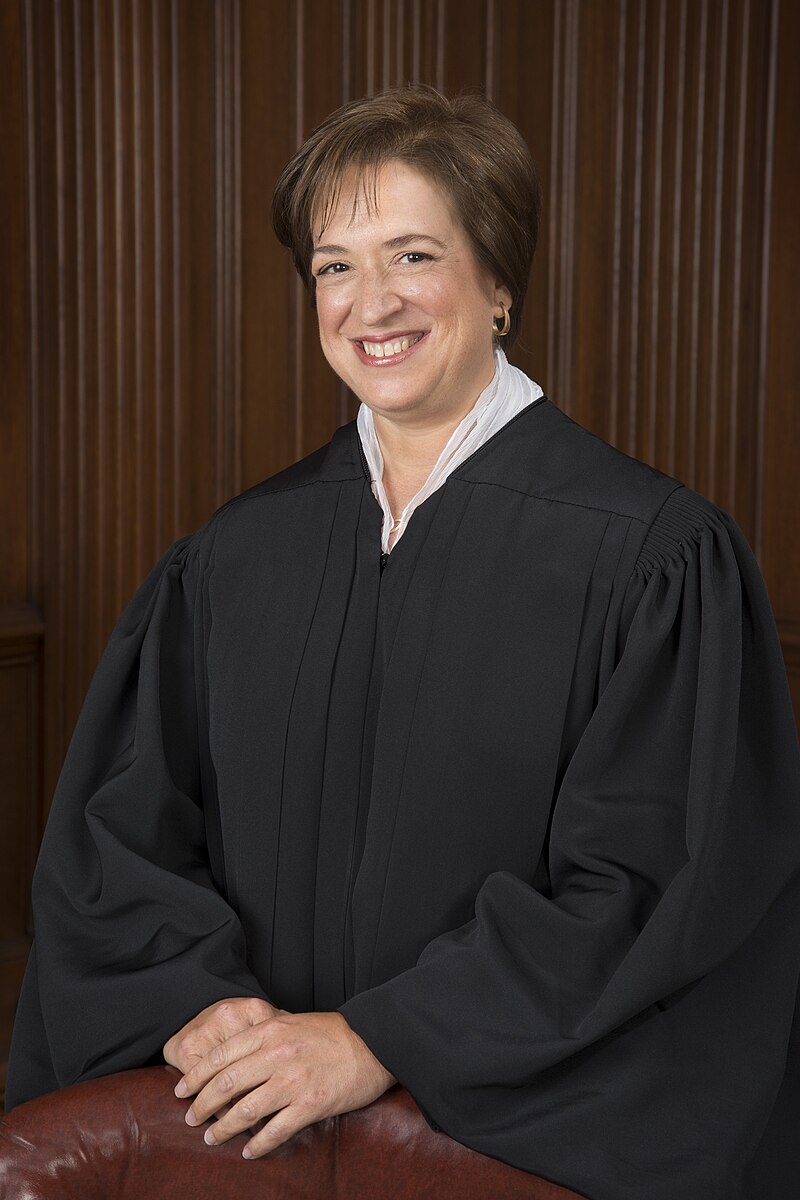
Justice Kagan
Dissent
EK
Elena Kagan
Dissent
Justice Sotomayor
Dissent
SS
Sonia Sotomayor
Dissent
SB
Stephen Breyer
Dissent
What this means for you
Dobbs immediately allowed states to enforce abortion bans and severe restrictions that Roe and Casey had blocked. The impact fell hardest on people with low incomes, minors, rural residents, undocumented people, people of color, and those unable to travel for care. It also triggered legal uncertainty over emergency care, miscarriage management, medication abortion, privacy, and interstate travel.
Key Takeaways
- The Court overruled Roe v. Wade and Planned Parenthood v. Casey.
- The majority held that abortion is not protected by the Fourteenth Amendment's Due Process Clause.
- The judgment upheld Mississippi's 15-week abortion ban.
- The dissent warned that the decision eliminated a core liberty and equality protection.
- The practical effect was immediate state-by-state abortion access inequality.
Decision
5-3 majority opinion
- Citation
- 597 U.S. 215 (2022)
- Vote
- 5-3
- Decision type
- Majority opinion
- Argued
- December 1, 2021
- Decided
- June 24, 2022
- Term
- 2021
- Opinion author
- Samuel Alito
Justice Alito wrote the Court's opinion, joined by Justices Thomas, Gorsuch, Kavanaugh, and Barrett. Chief Justice Roberts concurred in the judgment only. Justices Breyer, Sotomayor, and Kagan jointly dissented.