573 U.S. 464 (2014) · 2014
McCullen v. Coakley
free speechabortion accesspublic sidewalksclinic safetyFirst AmendmentLandmark
Summary
McCullen v. Coakley struck down Massachusetts’s 35-foot fixed buffer zones around abortion clinics. The Court held that the law was not narrowly tailored because it burdened too much speech on public sidewalks, even though the state’s safety and access interests were legitimate.
Background & Context
This case should avoid flattening the conflict. It is not simply pro-protest or anti-patient-safety. The Court recognized safety and access interests while rejecting a broad fixed-zone tool as too speech restrictive.
The Question Before the Court
Do fixed 35-foot buffer zones around abortion clinics violate the First Amendment because they burden speech on public sidewalks more than necessary?
Petitioner
McCullen
Party asking the Court to review or reverse
Argued
- The buffer zones blocked peaceful one-on-one speech.
- Massachusetts had narrower tools available.
Respondent
Coakley
Party defending the judgment below
Argued
- The law protected clinic access and public safety.
- The law regulated place, not message.
The Holding
Massachusetts’s 35-foot fixed buffer zones around abortion clinics violated the First Amendment because the law burdened substantially more speech than necessary to serve the state’s interests in public safety, patient access, and clinic order.
The Court
How the justices lined up in this decision.
9-0 judgment
Vote
Joined decision
8 justices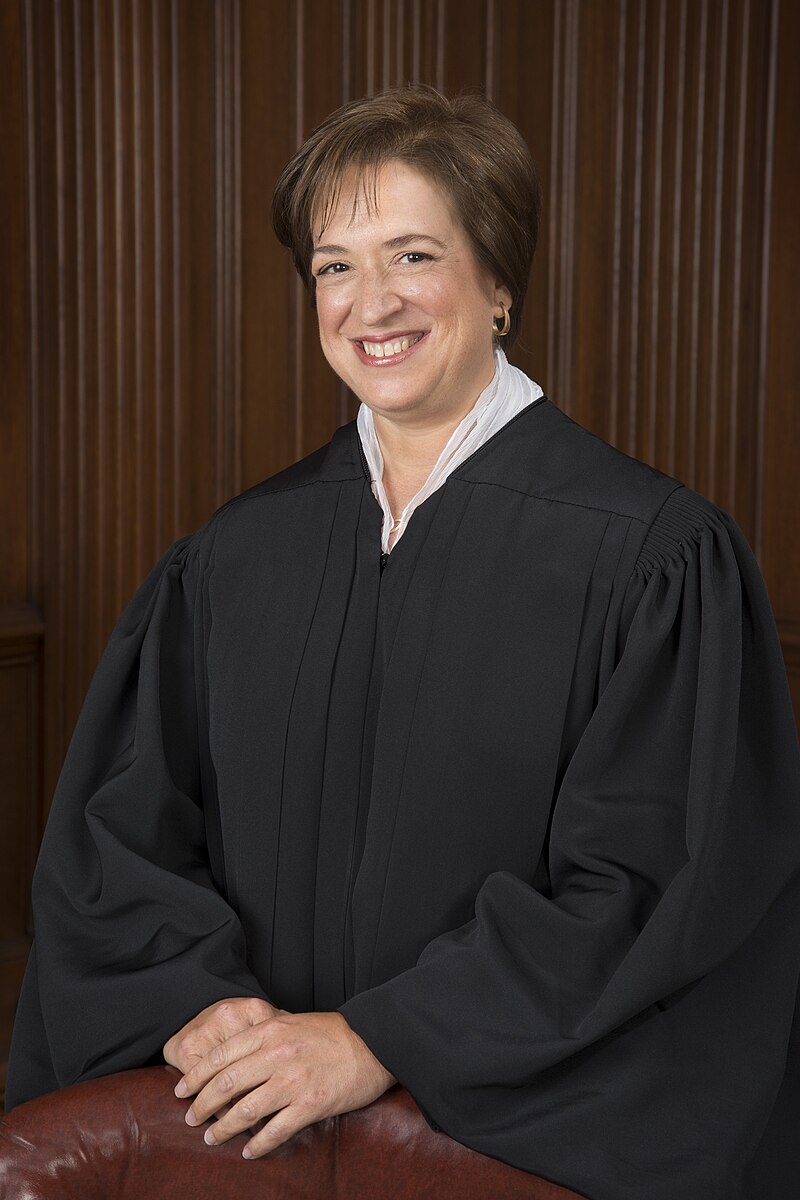
Justice Kagan
Majority
EK
Elena Kagan
Majority
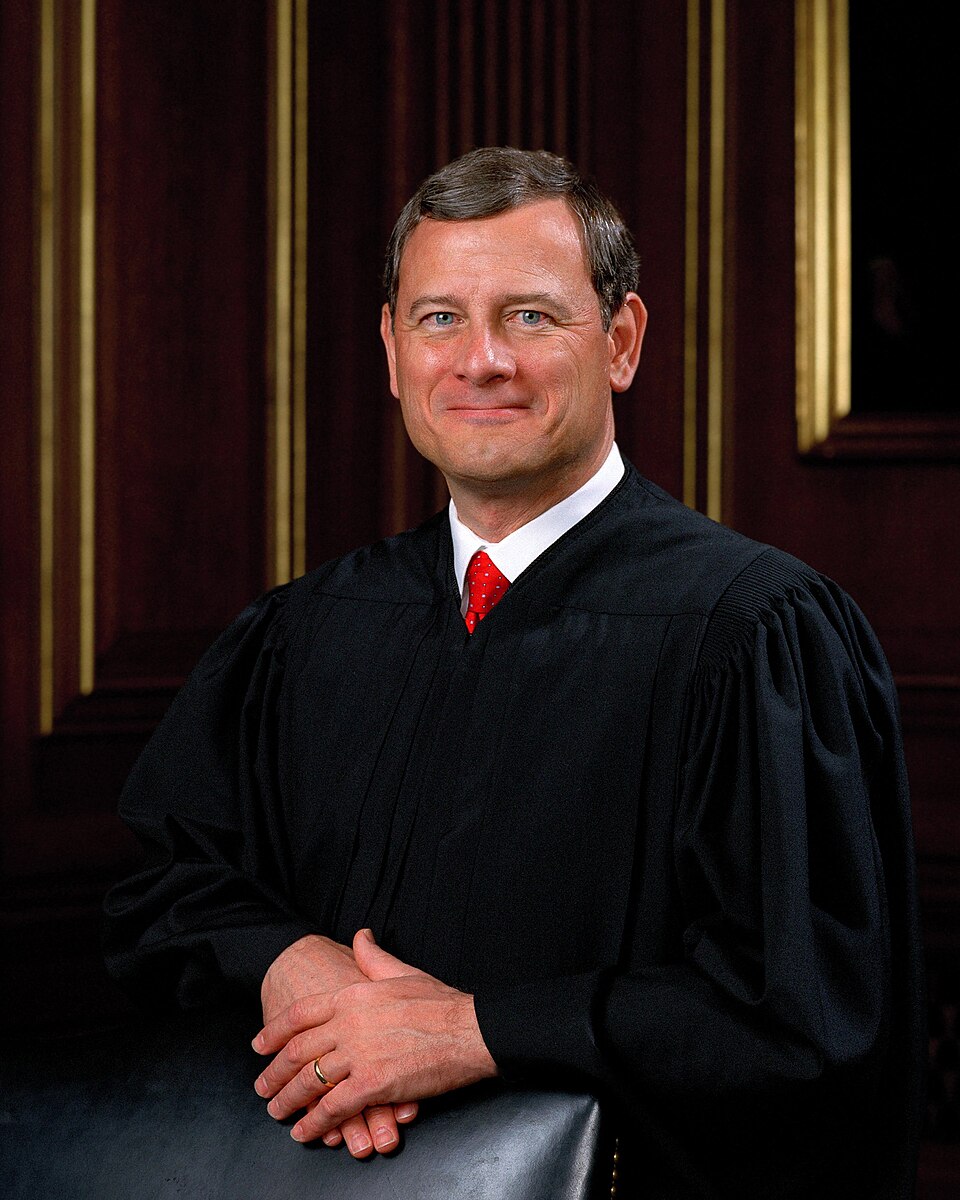
Chief Justice Roberts
Chief Justice
JR
John Roberts
Majority
RB
Ruth Ginsburg
Majority
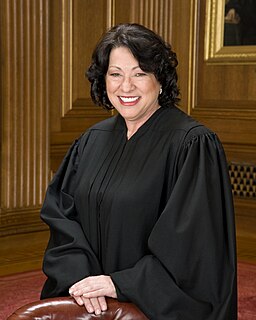
Justice Sotomayor
Majority
SS
Sonia Sotomayor
Majority
SB
Stephen Breyer
Majority
Concurred
6 justices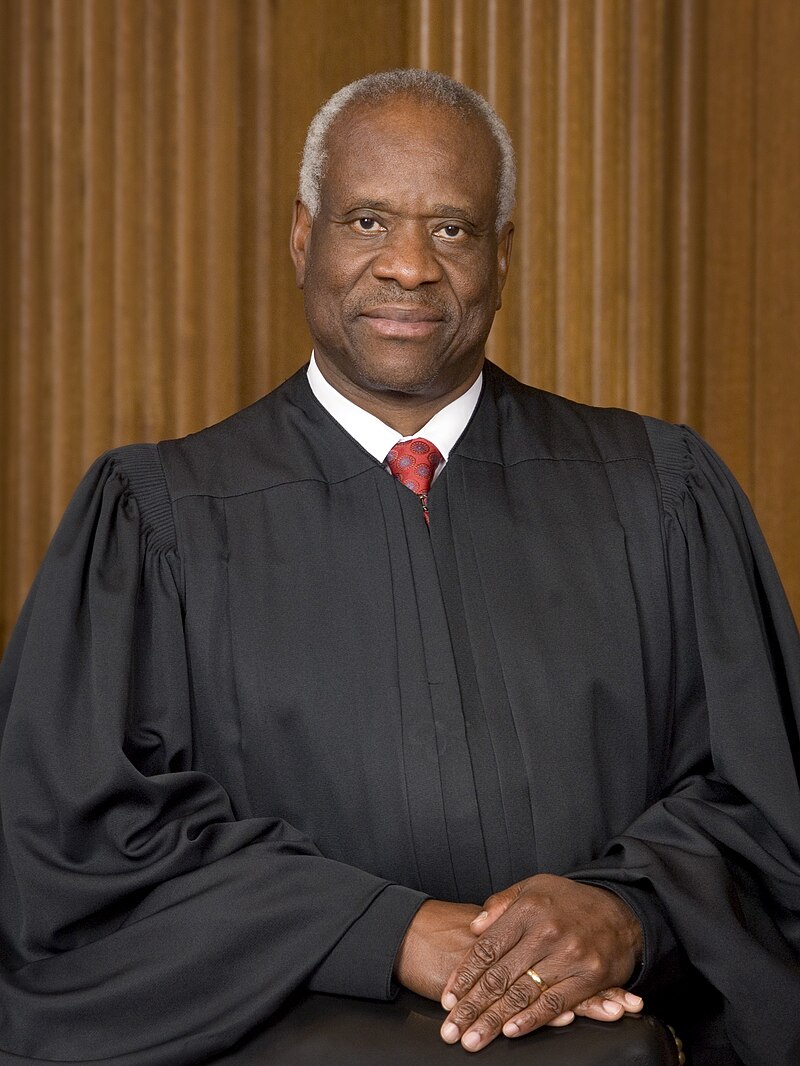
Justice Thomas
Concurred in judgment
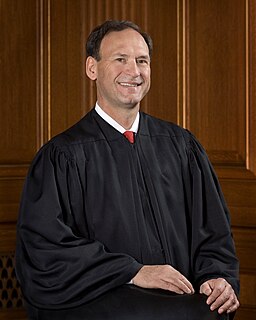
Justice Alito
Concurred in judgment
AK
Anthony Kennedy
Concurred
AS
Antonin Scalia
Concurred
CT
Clarence Thomas
Concurred
SA
Samuel Alito
Concurred
What this means for you
The ruling made it harder for states to use broad fixed buffer zones around reproductive-health clinics, while leaving room for targeted laws against obstruction, threats, harassment, trespass, and violence. It affects patients trying to enter clinics, clinic workers, protesters, and sidewalk counselors. The case requires lawmakers to protect access and safety with tools that are closely matched to documented problems rather than sweeping large areas of public sidewalk into no-entry zones.
Key Takeaways
- The Court struck down Massachusetts’s fixed clinic buffer zones under the First Amendment.
- The majority treated the law as content neutral but not narrowly tailored.
- The state’s interests in safety, access, and clinic order were accepted as important.
- The ruling left room for narrower laws targeting obstruction, threats, harassment, and violence.
- The case sits at the intersection of abortion access, public safety, and sidewalk speech.
Decision
9-0 judgment majority opinion
- Citation
- 573 U.S. 464 (2014)
- Vote
- 9-0 judgment
- Decision type
- Majority opinion
- Argued
- January 15, 2014
- Decided
- June 26, 2014
- Term
- 2013
- Opinion author
- John Roberts
Chief Justice Roberts wrote the Court’s opinion, joined by Justices Ginsburg, Breyer, Sotomayor, and Kagan. Justice Scalia concurred in the judgment, joined by Justices Kennedy and Thomas. Justice Alito also concurred in the judgment.