567 U.S. 460 (2012) · 2012
Miller v. Alabama
juvenile justicesentencingEighth Amendmentcriminal justicelife without paroleLandmark
Summary
Miller v. Alabama held that mandatory life without parole for juvenile homicide offenders violates the Eighth Amendment. Courts must be able to consider youth and individual circumstances before imposing that sentence.
Background & Context
This canonical row represents the consolidated Miller and Jackson cases. It should be connected to later retroactivity in Montgomery v. Louisiana and later narrowing debates in Jones v. Mississippi.
The Question Before the Court
Does mandatory life without parole for juvenile homicide offenders violate the Eighth Amendment?
Petitioner
Miller
Party asking the Court to review or reverse
Argued
- Children are constitutionally different for sentencing.
Respondent
Alabama
Party defending the judgment below
Argued
- States may impose severe punishment for homicide.
The Holding
Mandatory life without parole for people who were under 18 when they committed homicide violates the Eighth Amendment. Sentencers must have discretion to consider youth and its mitigating characteristics before imposing that punishment.
The Court
How the justices lined up in this decision.
5-4
Vote
Joined decision
7 justicesAK
Anthony Kennedy
Majority
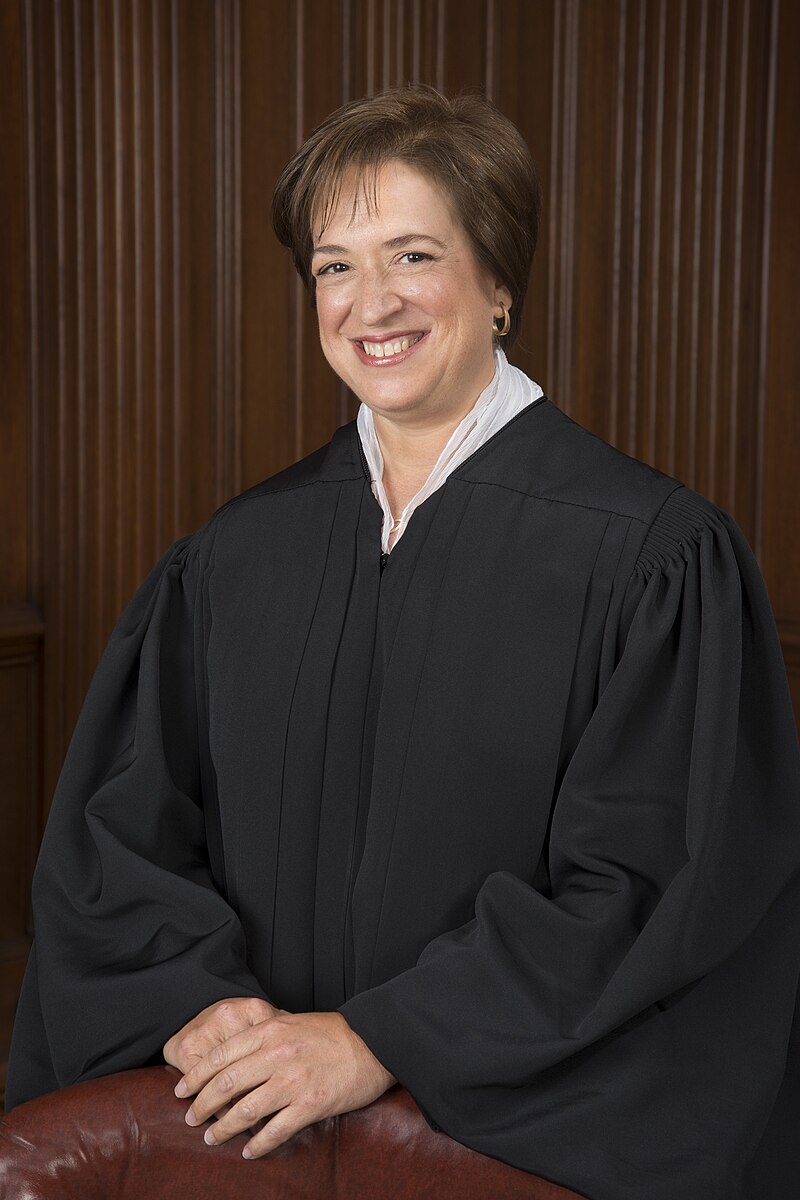
Justice Kagan
Majority
EK
Elena Kagan
Majority
RB
Ruth Ginsburg
Majority

Justice Sotomayor
Majority
SS
Sonia Sotomayor
Majority
SB
Stephen Breyer
Majority
Dissented
7 justicesAS
Antonin Scalia
Dissent
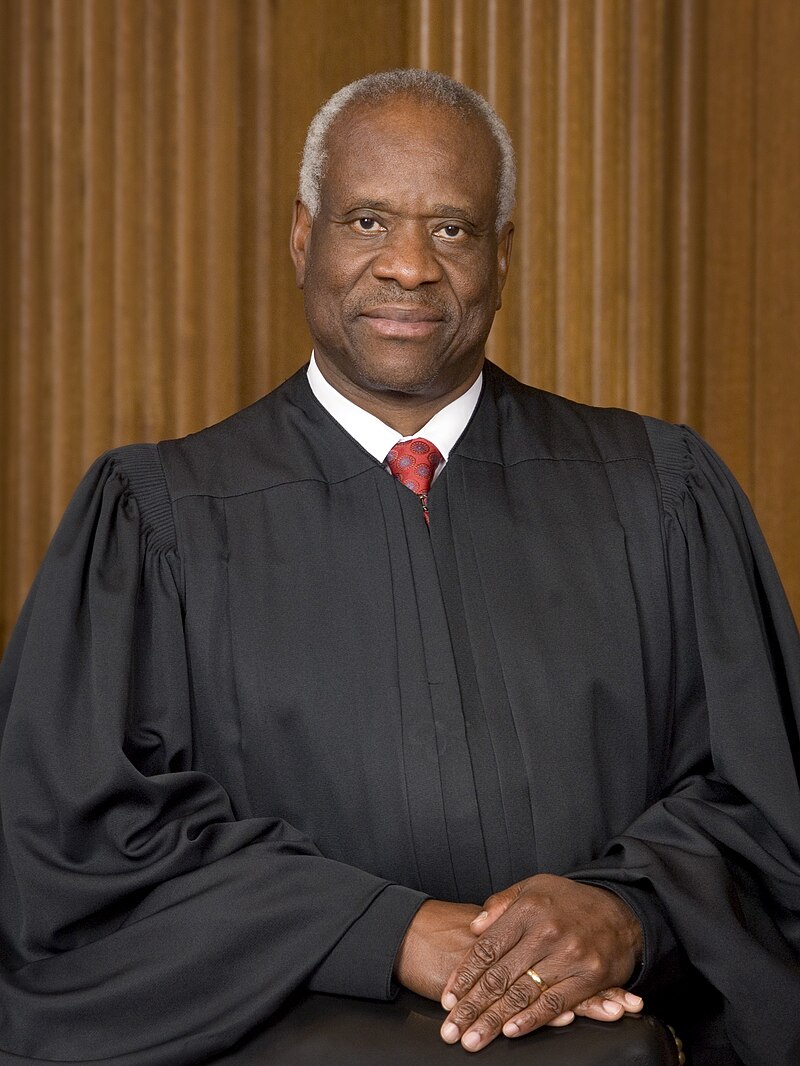
Justice Thomas
Dissent
CT
Clarence Thomas
Dissent

Chief Justice Roberts
Chief Justice
JR
John Roberts
Dissent

Justice Alito
Dissent
SA
Samuel Alito
Dissent
What this means for you
The decision forced states to resentence or review many people serving mandatory juvenile life-without-parole sentences. It matters because children, especially poor children and Black children, have long been exposed to harsh sentencing systems with little attention to trauma, development, or rehabilitation. The ruling required courts to treat youth as constitutionally relevant before imposing the harshest punishments short of death.
Key Takeaways
- Mandatory juvenile life without parole violates the Eighth Amendment.
- The decision requires individualized sentencing before imposing life without parole on a child.
- The Court relied on differences between children and adults, including capacity for change.
- The ruling did not categorically ban all juvenile life-without-parole sentences.
- Montgomery v. Louisiana later made Miller retroactive.
Decision
5-4 majority opinion
- Citation
- 567 U.S. 460 (2012)
- Vote
- 5-4
- Decision type
- Majority opinion
- Argued
- March 20, 2012
- Decided
- June 25, 2012
- Term
- 2011
- Opinion author
- Elena Kagan
Justice Kagan wrote the Court’s opinion, joined by Justices Kennedy, Ginsburg, Breyer, and Sotomayor. Justice Breyer concurred, joined by Justice Sotomayor. Chief Justice Roberts dissented, joined by Justices Scalia, Thomas, and Alito. Justices Thomas and Alito also filed dissents.