545 U.S. 1 (2005) · 2005
Gonzales v. Raich
federal powerCommerce Clausecannabis lawmedical marijuanafederalism
Summary
Gonzales v. Raich held that Congress may apply the federal Controlled Substances Act to locally grown medical marijuana allowed under state law. The Court reasoned that Congress could regulate local cultivation as part of a comprehensive scheme governing the national marijuana market.
Background & Context
This row previously had correct dates/citation but still lacked sources and a full fact-checked record. The case should be presented as a federal-power and cannabis federalism case, not as a policy endorsement of prohibition.
The Question Before the Court
May Congress use its commerce power to prohibit locally cultivated medical marijuana that state law allows and that is not sold across state lines?
Petitioner
Gonzales
Party asking the Court to review or reverse
Argued
- Local medical marijuana can affect the national drug market in the aggregate.
Respondent
Raich
Party defending the judgment below
Argued
- The activity was local and noncommercial.
- States should be allowed to experiment with medical policy.
The Holding
Congress may prohibit the local cultivation and possession of marijuana for medical use under the Controlled Substances Act because Congress had a rational basis to conclude that homegrown marijuana could affect the national illegal drug market when viewed in the aggregate.
The Court
How the justices lined up in this decision.
0-1
Vote
Joined decision
6 justicesAK
Anthony Kennedy
Majority
AS
Antonin (judgment)
Majority
DS
David Souter
Majority
JP
John Stevens
Majority
RB
Ruth Ginsburg
Majority
SB
Stephen Breyer
Majority
Concurred
1 justiceAS
Antonin Scalia
Concurred
Dissented
4 justices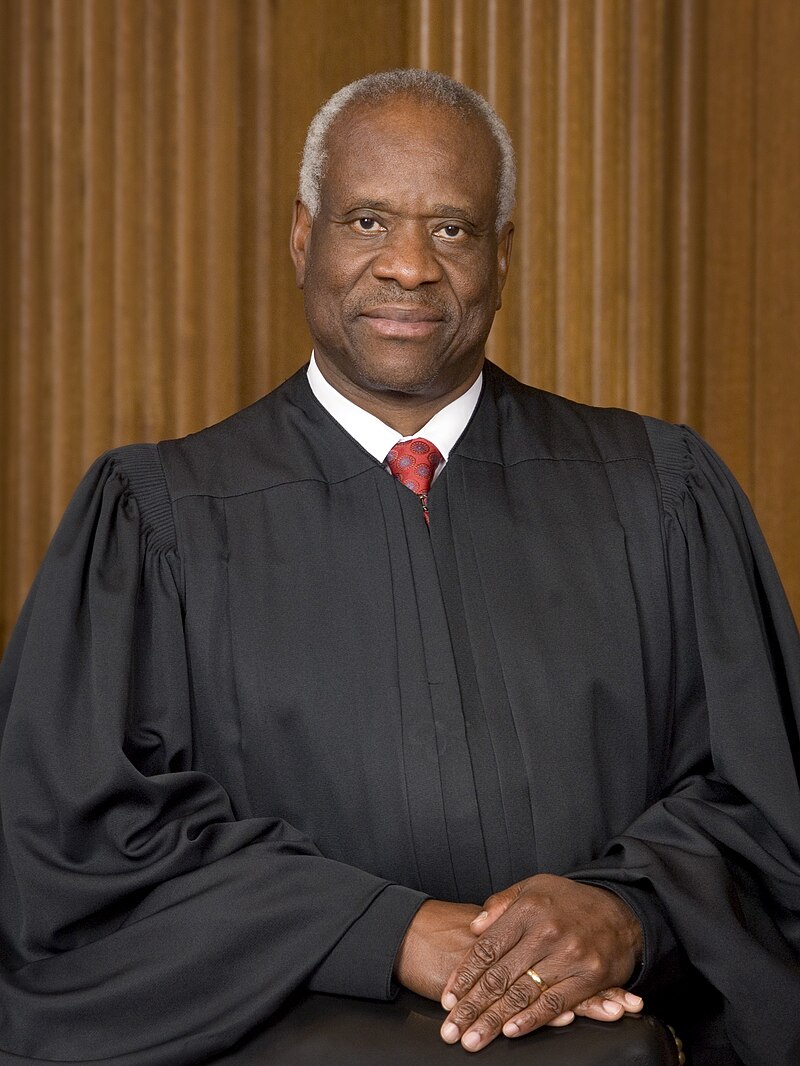
Justice Thomas
Dissent
CT
Clarence Thomas
Dissent
SD
Sandra O’Connor
Dissent
WR
William Rehnquist
Dissent
What this means for you
The ruling left people in medical-marijuana states exposed to federal prosecution even when they complied with state law. It strengthened federal regulatory power over local activity when Congress treats that activity as part of a national market. The decision remains important even as many states have legalized medical or recreational cannabis, because marijuana remains federally controlled unless Congress changes federal law.
Key Takeaways
- The Court upheld federal power under the Commerce Clause and Necessary and Proper Clause framework.
- State medical-marijuana permission did not block federal enforcement of the Controlled Substances Act.
- The majority relied on aggregate-effects reasoning from Wickard v. Filburn.
- The dissents warned that the ruling weakened limits on federal power and state experimentation.
- The case explains why state-legal cannabis can still conflict with federal law.
Decision
0-1 majority opinion
- Citation
- 545 U.S. 1 (2005)
- Vote
- 0-1
- Decision type
- Majority opinion
- Argued
- November 29, 2004
- Decided
- June 6, 2005
- Term
- 2004
- Opinion author
- John Paul Stevens
Justice Stevens wrote the Court’s opinion, joined by Justices Kennedy, Souter, Ginsburg, and Breyer. Justice Scalia concurred in the judgment. Justice O’Connor dissented, joined by Chief Justice Rehnquist and joined in part by Justice Thomas. Justice Thomas also dissented separately.