548 U.S. 557 (2006) · 2006
Hamdan v. Rumsfeld
war powersGuantánamomilitary commissionsexecutive powerrule of lawLandmark
Summary
Hamdan v. Rumsfeld held that the military commission set up to try Salim Hamdan was unlawful because it violated the UCMJ and Common Article 3 of the Geneva Conventions. The decision limited unilateral executive power over military trials at Guantánamo.
Background & Context
This case should be framed as a rule-of-law and separation-of-powers case in the post-9/11 detention system. It does not say terrorism suspects cannot be tried; it says the chosen commission system had to comply with statutes and treaty obligations.
The Question Before the Court
Did the President have authority to try Hamdan before the military commission created for his case, and did that commission comply with the UCMJ and Geneva Conventions?
Petitioner
Hamdan
Party asking the Court to review or reverse
Argued
- The commission was unlawful.
- Congress had not authorized this system.
Respondent
Rumsfeld
Party defending the judgment below
Argued
- The President had wartime authority.
- Courts should not interfere with military trials during war.
The Holding
The military commission convened to try Salim Ahmed Hamdan lacked legal authorization because it violated the Uniform Code of Military Justice and Common Article 3 of the Geneva Conventions. The President could not proceed with that commission without congressional authorization consistent with governing law.
The Court
How the justices lined up in this decision.
5-3, with Chief Justice Roberts not participating
Vote
Joined decision
5 justicesAK
Anthony Kennedy
Majority
DS
David Souter
Majority
JP
John Stevens
Majority
RB
Ruth Ginsburg
Majority
SB
Stephen Breyer
Majority
Dissented
5 justicesAS
Antonin Scalia
Dissent
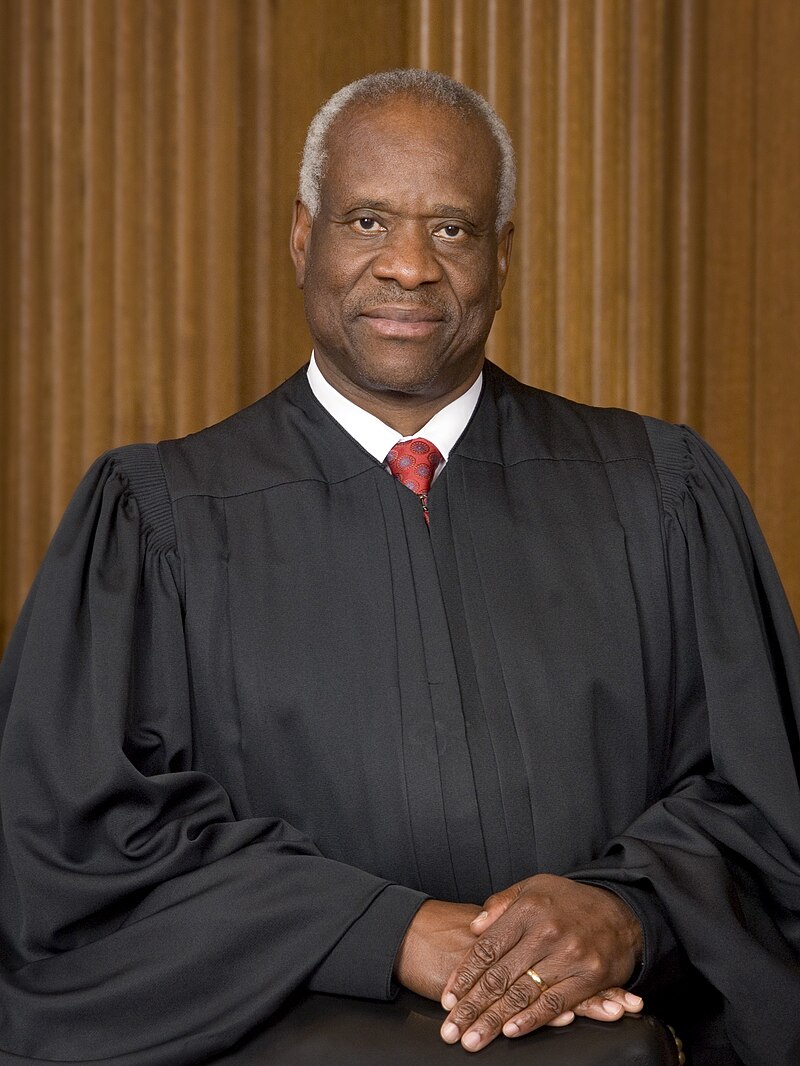
Justice Thomas
Dissent
CT
Clarence Thomas
Dissent
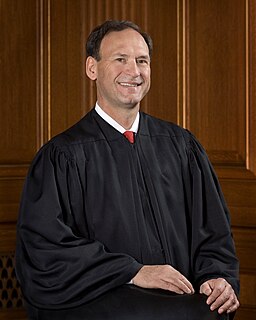
Justice Alito
Dissent
SA
Samuel Alito
Dissent
What this means for you
Hamdan was a major wartime rule-of-law decision. It rejected the idea that the President could design military trials outside statutory and treaty limits. The decision pushed Congress to pass the Military Commissions Act of 2006 and reshaped the legal fight over Guantánamo, detention, military trials, and the role of courts during national-security emergencies.
Key Takeaways
- The Court held that Hamdan’s military commission lacked legal authorization.
- The commission violated the Uniform Code of Military Justice and Common Article 3.
- The ruling rejected unilateral executive control over this military-trial system.
- Chief Justice Roberts did not participate because of his lower-court role.
- Congress responded with the Military Commissions Act of 2006.
Decision
5-3, with Chief Justice Roberts not participating majority opinion
- Citation
- 548 U.S. 557 (2006)
- Vote
- 5-3, with Chief Justice Roberts not participating
- Decision type
- Majority opinion
- Argued
- March 28, 2006
- Decided
- June 29, 2006
- Term
- 2005
- Opinion author
- John Paul Stevens
Justice Stevens wrote the Court’s opinion. Justices Kennedy, Souter, Ginsburg, and Breyer joined key parts. Justice Kennedy concurred in part. Justice Breyer concurred, joined by Justices Kennedy, Souter, and Ginsburg. Justices Scalia, Thomas, and Alito dissented. Chief Justice Roberts did not participate.