585 U.S. 878 (2018) · 2018
Janus v. American Federation of State, County, and Municipal Employees, Council 31
labor rightspublic-sector unionsFirst Amendmentcollective bargainingworkers rightsLandmark
Summary
Janus held that public-sector agency fees violate the First Amendment when taken from employees who do not consent. The Court overruled Abood and barred states and public-sector unions from extracting those fees from nonmembers.
Background & Context
Agency fees required nonmembers to pay for collective-bargaining representation. Supporters said the fees prevented free-riding because unions still had to represent all workers in the unit. Opponents said the fees compelled political speech because public-sector bargaining affects public policy and budgets.
The Question Before the Court
Do public-sector agency fees charged to nonconsenting employees violate the First Amendment?
Petitioner
Janus
Party asking the Court to review or reverse
Argued
- Agency fees compel speech.
- Abood should be overruled.
Respondent
American Federation of State, County, and Municipal Employees, Council 31
Party defending the judgment below
Argued
- Agency fees support labor stability.
- Abood protected settled reliance interests.
The Holding
Requiring nonconsenting public-sector employees to pay agency fees to a union violates the First Amendment. Abood v. Detroit Board of Education is overruled.
The Court
How the justices lined up in this decision.
5-4
Vote
Joined decision
9 justicesAK
Anthony Kennedy
Majority
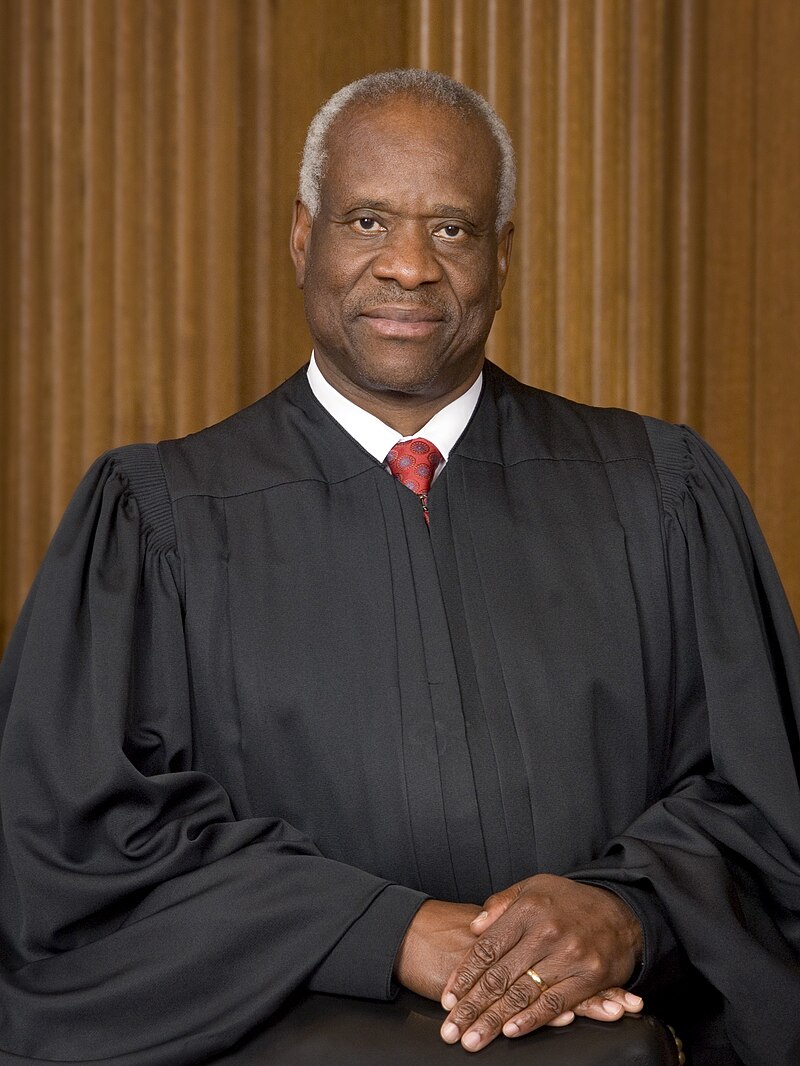
Justice Thomas
Majority
CT
Clarence Thomas
Majority
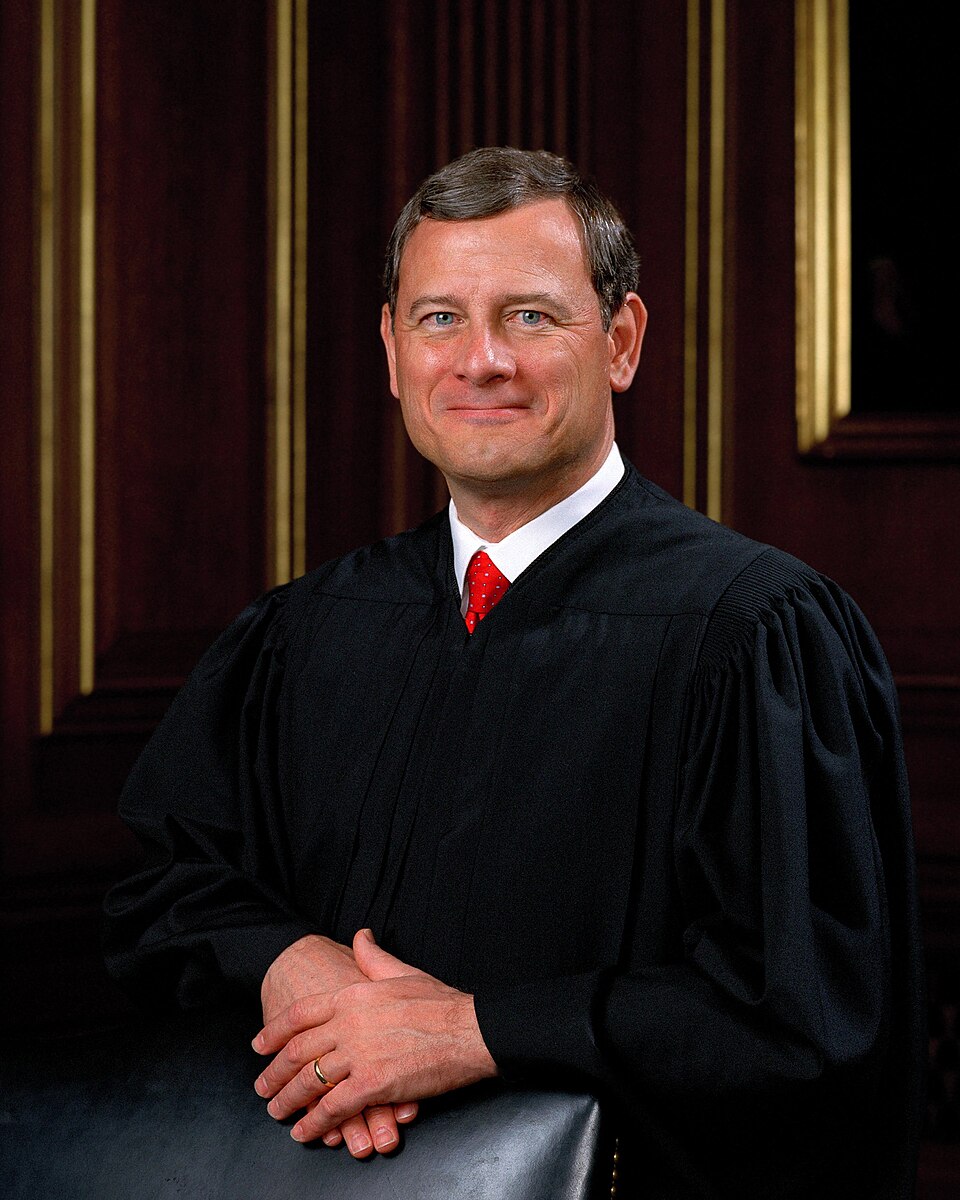
Chief Justice Roberts
Chief Justice
JR
John Roberts
Majority
NG
Neil Gorsuch
Majority
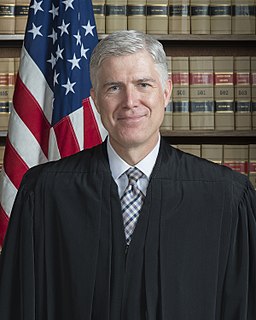
Justice Gorsuch
Majority
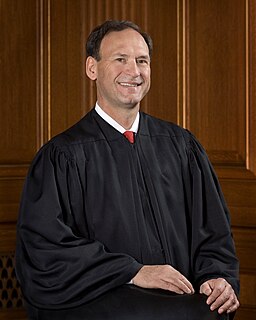
Justice Alito
Majority
SA
Samuel Alito
Majority
Dissented
6 justices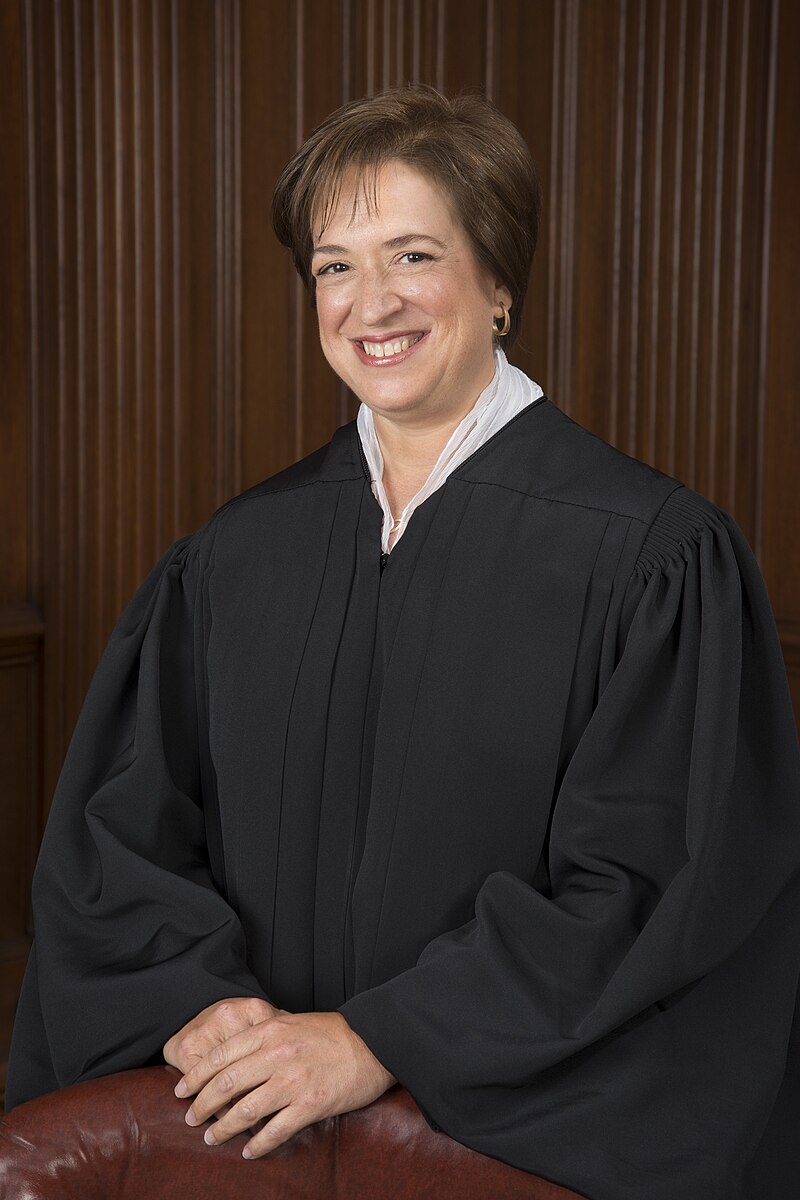
Justice Kagan
Dissent
EK
Elena Kagan
Dissent
RB
Ruth Ginsburg
Dissent
Justice Sotomayor
Dissent
SS
Sonia Sotomayor
Dissent
SB
Stephen Breyer
Dissent
What this means for you
The decision weakened public-sector unions by cutting off a major source of funding while still requiring many unions to represent all workers in a bargaining unit. It shifted power toward individual objectors and anti-union litigation groups, and away from collective bargaining structures used by teachers, nurses, sanitation workers, and other public employees.
Key Takeaways
- Public-sector agency fees from nonconsenting employees violate the First Amendment.
- The Court overruled Abood v. Detroit Board of Education.
- The decision treats public-sector collective bargaining as speech on matters of public concern.
- The ruling sharply reduced union funding in many states.
- The dissent warned that the Court was weaponizing the First Amendment against settled labor arrangements.
Decision
5-4 majority opinion
- Citation
- 585 U.S. 878 (2018)
- Vote
- 5-4
- Decision type
- Majority opinion
- Argued
- February 26, 2018
- Decided
- June 27, 2018
- Term
- 2017
- Opinion author
- Samuel Alito
Justice Alito wrote the Court's opinion, joined by Chief Justice Roberts and Justices Kennedy, Thomas, and Gorsuch. Justice Sotomayor dissented. Justice Kagan dissented, joined by Justices Ginsburg, Breyer, and Sotomayor.