565 U.S. 302 (2012) · 2012
Golan v. Holder
copyrightpublic domainFirst Amendmentinternational lawcreative worksLandmark
Summary
Golan v. Holder upheld Congress’s power to restore U.S. copyright protection to certain foreign works that had entered the public domain. The Court rejected Copyright Clause and First Amendment challenges to Section 514 of the Uruguay Round Agreements Act.
Background & Context
This case should be framed as a copyright/public-domain case, not just an abstract IP rule. It affected people and institutions that depended on public-domain access to older foreign works.
The Question Before the Court
May Congress restore copyright protection to foreign works that had entered the public domain in the United States, and does doing so violate the Copyright Clause or the First Amendment?
Petitioner
Golan
Party asking the Court to review or reverse
Argued
- Restoring copyright from the public domain exceeded Congress’s copyright power.
- The law burdened speech and reliance interests.
Respondent
Holder
Party defending the judgment below
Argued
- Congress may implement international copyright obligations.
- Copyright law already contains First Amendment safeguards.
The Holding
Congress may restore copyright protection to certain foreign works that had entered the public domain in the United States. The Copyright Clause’s “limited Times” language and the First Amendment do not bar Congress from implementing that restoration through the Uruguay Round Agreements Act.
The Court
How the justices lined up in this decision.
3-1
Vote
Joined decision
9 justicesAK
Anthony Kennedy
Majority
AS
Antonin Scalia
Majority
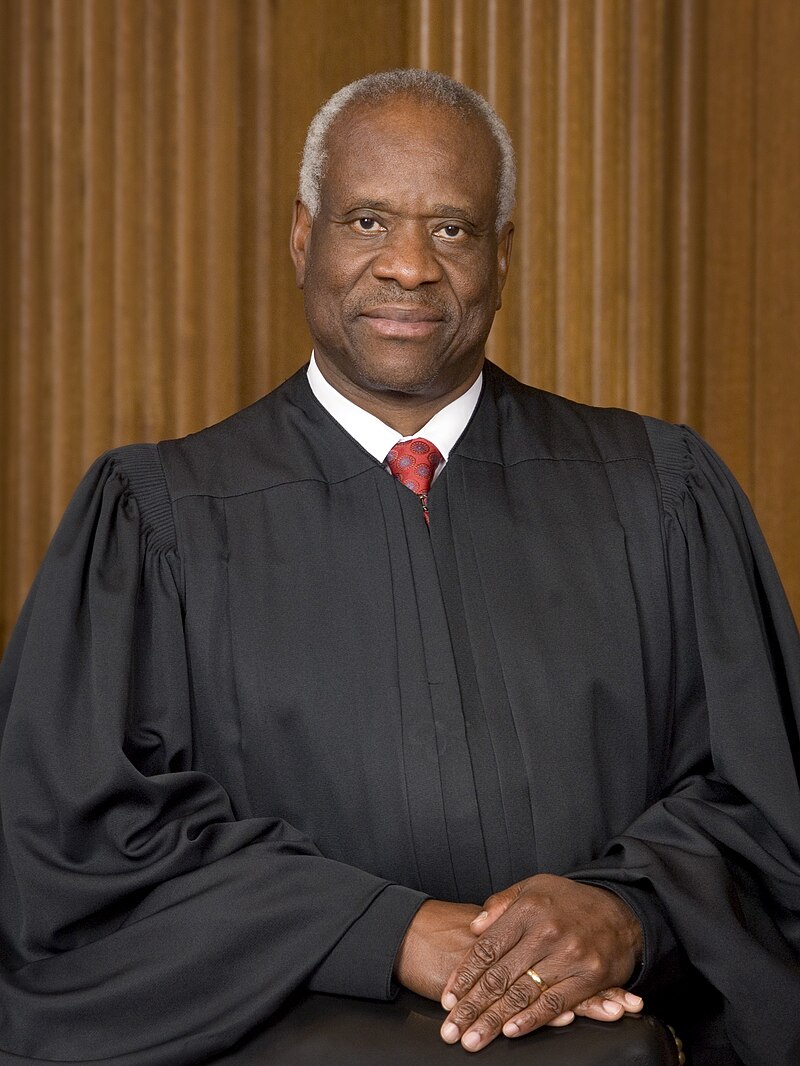
Justice Thomas
Majority
CT
Clarence Thomas
Majority
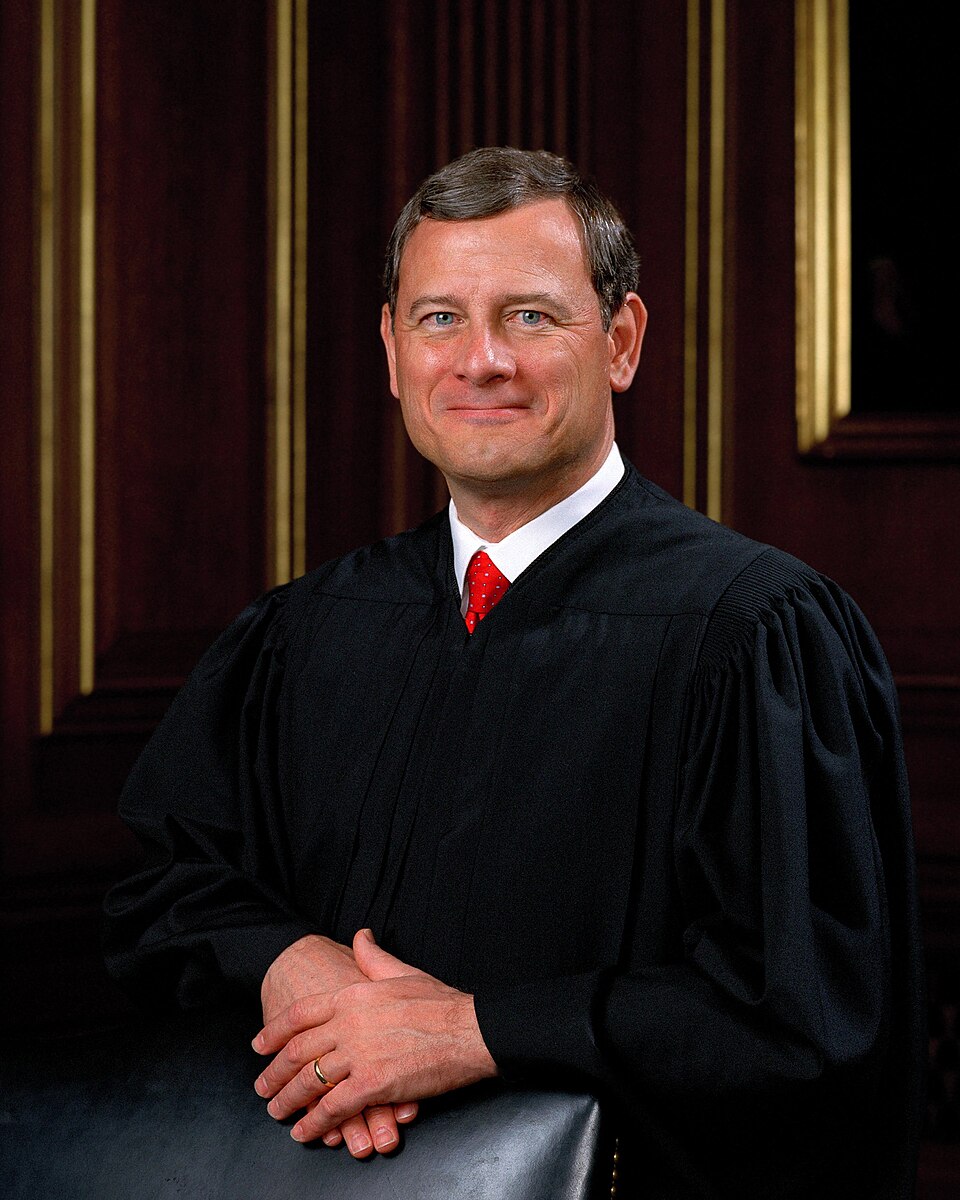
Chief Justice Roberts
Chief Justice
JR
John Roberts
Majority
RB
Ruth Ginsburg
Majority
Justice Sotomayor
Majority
SS
Sonia Sotomayor
Majority
Dissented
3 justices
Justice Alito
Dissent
SA
Samuel Alito
Dissent
SB
Stephen Breyer
Dissent
What this means for you
The ruling narrowed the practical security of the public domain for works affected by international copyright restoration. Teachers, musicians, archivists, filmmakers, and small distributors who had used restored works for free could face licensing costs or lose access. The decision also confirmed that Congress can adjust copyright rules to meet international agreements, even when that changes what the public may freely use.
Key Takeaways
- Congress may restore copyright protection to some foreign works that had entered the U.S. public domain.
- The Court held that the Copyright Clause’s limited-times language did not bar restoration.
- The Court rejected the First Amendment challenge, relying on copyright’s built-in speech safeguards.
- The dissent warned that restoration burdened public-domain users without encouraging new creation.
- The decision affected educators, musicians, archivists, film distributors, and others who had relied on free use.
Decision
3-1 majority opinion
- Citation
- 565 U.S. 302 (2012)
- Vote
- 3-1
- Decision type
- Majority opinion
- Argued
- October 5, 2011
- Decided
- January 18, 2012
- Term
- 2011
- Opinion author
- Ruth Bader Ginsburg
Justice Ginsburg wrote the Court’s opinion, joined by Chief Justice Roberts and Justices Scalia, Kennedy, Thomas, and Sotomayor. Justice Breyer dissented, joined by Justice Alito. Justice Kagan did not participate.