549 U.S. 497 (2007) · 2007
Massachusetts v. Environmental Protection Agency
climate changeEPAenvironmental lawstandingClean Air ActLandmark
Summary
Massachusetts v. EPA held that greenhouse gases are air pollutants under the Clean Air Act and that EPA could not refuse to regulate them for reasons outside the statute. The Court also held that Massachusetts had standing to sue over EPA’s refusal to regulate vehicle greenhouse-gas emissions.
Background & Context
This case should be paired with American Electric Power v. Connecticut, Utility Air Regulatory Group v. EPA, West Virginia v. EPA, and recent Clean Air Act climate cases. It is about EPA authority under an existing statute, not a broad free-standing climate mandate.
The Question Before the Court
Do states have standing to challenge EPA’s refusal to regulate greenhouse gases from new motor vehicles, and are greenhouse gases air pollutants under the Clean Air Act?
Petitioner
Massachusetts
Party asking the Court to review or reverse
Argued
- Greenhouse gases are covered by the Clean Air Act.
- Climate harms gave Massachusetts standing.
Respondent
Environmental Protection Agency
Party defending the judgment below
Argued
- EPA lacked authority or discretion counseled against regulation.
- The injury was too generalized or speculative.
The Holding
Massachusetts had standing to challenge EPA’s denial of a rulemaking petition on greenhouse-gas emissions. Greenhouse gases fit within the Clean Air Act’s broad definition of “air pollutant,” and EPA had to ground any refusal to regulate in the statute.
The Court
How the justices lined up in this decision.
5-4
Vote
Joined decision
5 justicesAK
Anthony Kennedy
Majority
DS
David Souter
Majority
JP
John Stevens
Majority
RB
Ruth Ginsburg
Majority
SB
Stephen Breyer
Majority
Dissented
7 justicesAS
Antonin Scalia
Dissent
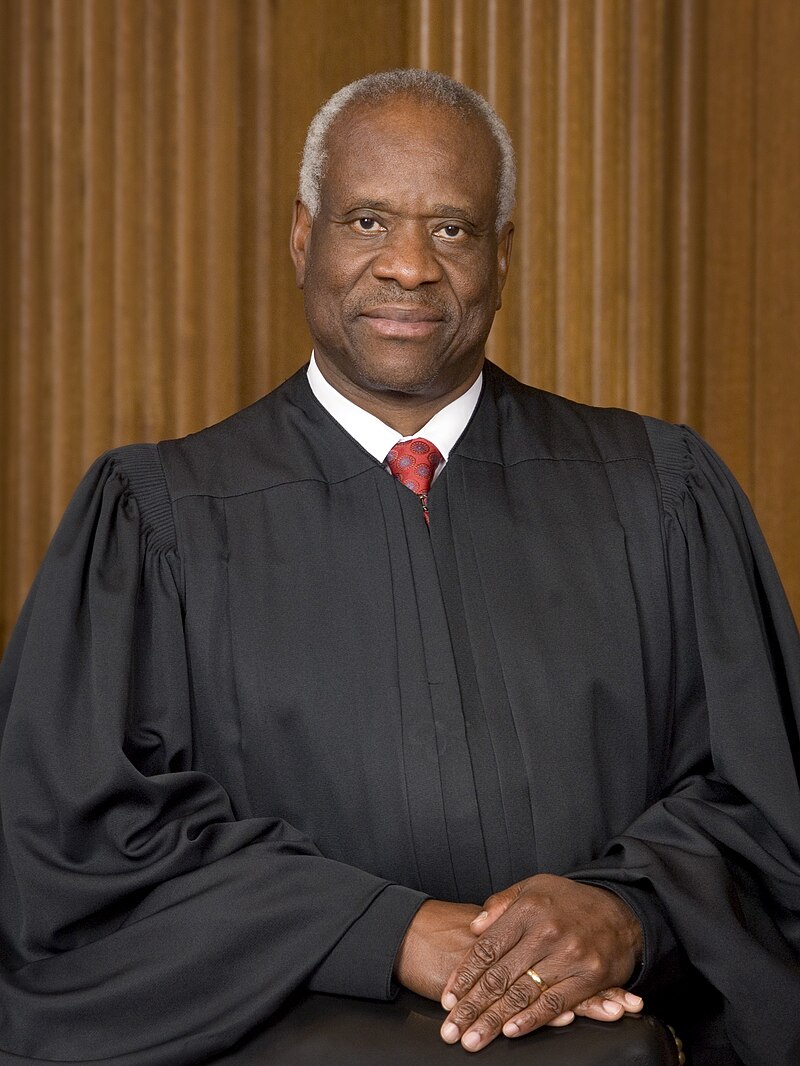
Justice Thomas
Dissent
CT
Clarence Thomas
Dissent
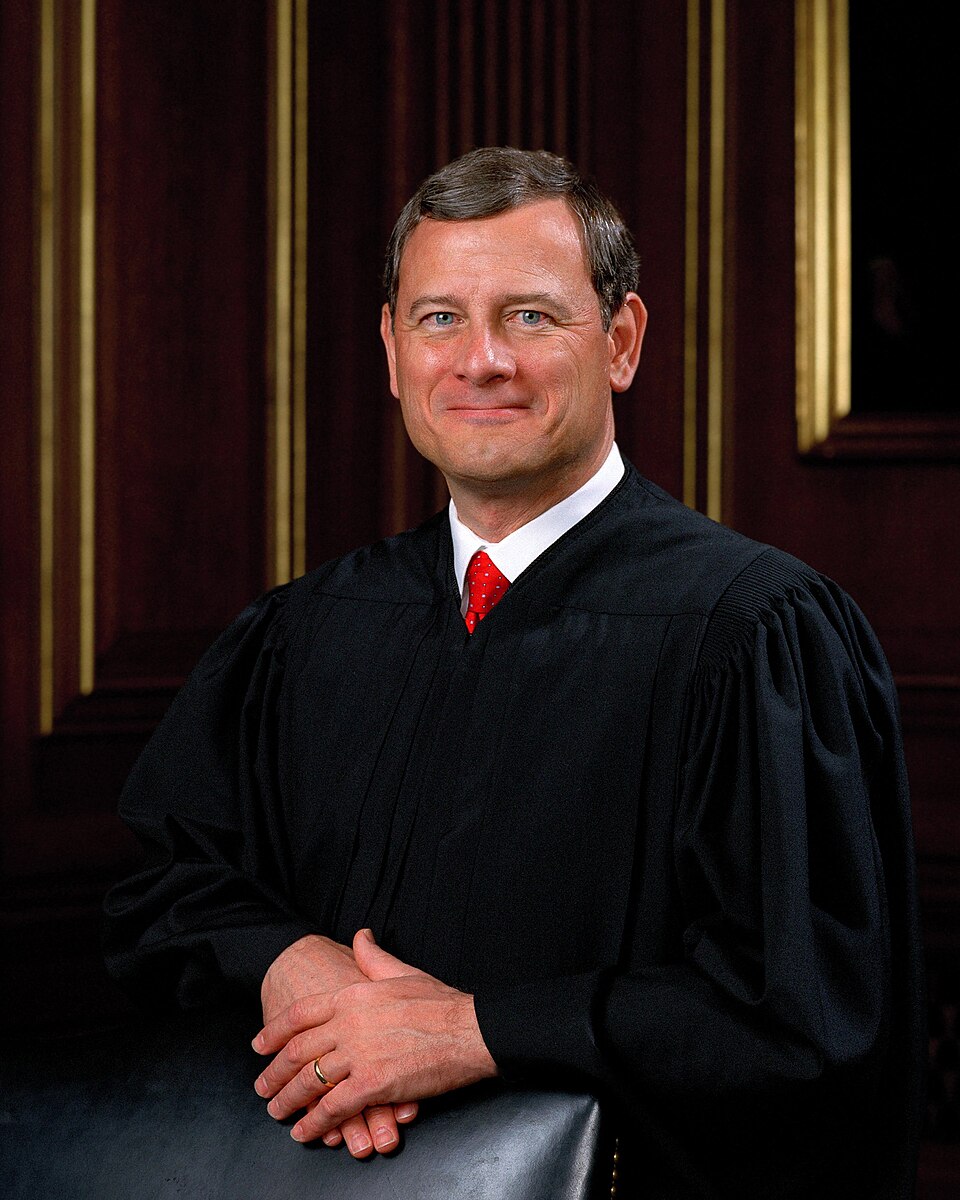
Chief Justice Roberts
Chief Justice
JR
John Roberts
Dissent
Justice Alito
Dissent
SA
Samuel Alito
Dissent
What this means for you
The ruling changed climate law by moving greenhouse gases inside the Clean Air Act framework. It gave states a path to challenge federal inaction and forced EPA to address whether greenhouse gases endanger public health and welfare. The decision did not itself set emissions limits, but it opened the legal door for EPA climate rules, including the later endangerment finding and vehicle-emissions regulations.
Key Takeaways
- The Court held that Massachusetts had standing to challenge EPA inaction.
- Greenhouse gases fit the Clean Air Act’s definition of air pollutant.
- EPA could not avoid regulation based on policy reasons not grounded in the statute.
- The decision led to EPA’s greenhouse-gas endangerment finding and later vehicle-emissions rules.
- The case is a cornerstone of federal climate regulation under existing environmental law.
Decision
5-4 majority opinion
- Citation
- 549 U.S. 497 (2007)
- Vote
- 5-4
- Decision type
- Majority opinion
- Argued
- November 29, 2006
- Decided
- April 2, 2007
- Term
- 2006
- Opinion author
- John Paul Stevens
Justice Stevens wrote the Court’s opinion, joined by Justices Kennedy, Souter, Ginsburg, and Breyer. Chief Justice Roberts dissented, joined by Justices Scalia, Thomas, and Alito. Justice Scalia also filed a separate dissent, joined by Chief Justice Roberts and Justices Thomas and Alito.