540 U.S. 93 (2003) · 2003
McConnell v. Federal Election Commission
campaign financeFirst Amendmentelectionsmoney in politicspolitical partiesLandmark
Summary
McConnell v. FEC upheld most of the Bipartisan Campaign Reform Act, including restrictions on national party soft money and rules for electioneering communications. Later Supreme Court cases narrowed or overruled parts of McConnell, especially after Citizens United.
Background & Context
McConnell should always be presented with later-status context because Citizens United and other cases narrowed or overruled parts of the campaign-finance framework that McConnell upheld.
The Question Before the Court
Did the Bipartisan Campaign Reform Act’s restrictions on soft money and electioneering communications violate the First Amendment or exceed Congress’s authority to regulate federal elections?
Petitioner
McConnell
Party asking the Court to review or reverse
Argued
- BCRA restricted core political speech.
- Issue advocacy should not be treated like campaign corruption.
Respondent
Federal Election Commission
Party defending the judgment below
Argued
- Congress could target corruption and its appearance.
- Electioneering communications were often campaign ads in substance.
The Holding
The Court upheld most major provisions of the Bipartisan Campaign Reform Act, including national party soft-money restrictions and many electioneering-communications rules. Later cases, especially Citizens United, overruled or narrowed important parts of McConnell’s campaign-speech holding.
The Court
How the justices lined up in this decision.
mixed; 5-4 on major Titles I and II holdings
Vote
Joined decision
5 justicesDS
David Souter
Majority
JP
John Stevens
Majority
RB
Ruth Ginsburg
Majority
SD
Sandra O’Connor
Majority
SB
Stephen Breyer
Majority
Concurred
1 justiceWR
William Rehnquist
Concurred
Dissented
4 justicesAK
Anthony Kennedy
Dissent
AS
Antonin Scalia
Dissent
CT
Clarence Thomas
Dissent
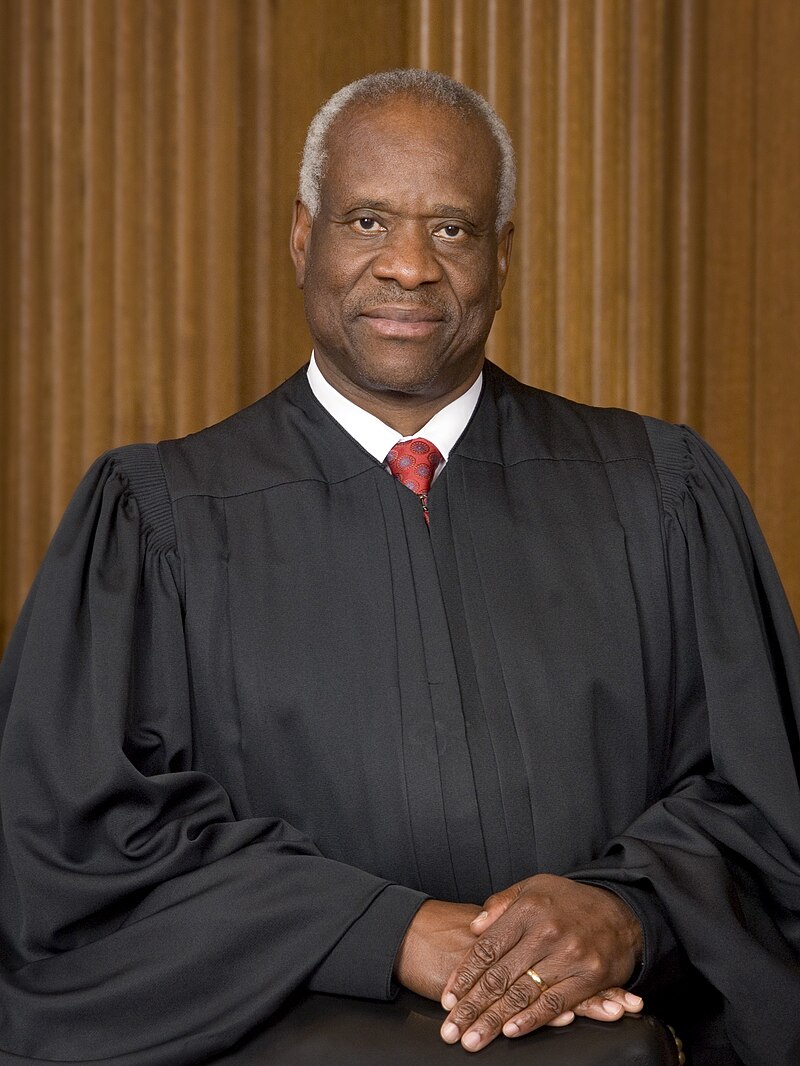
Justice Thomas
Partial dissent
What this means for you
The ruling initially strengthened Congress’s ability to regulate campaign money, especially soft money and election-season broadcast ads. But its long-term force was weakened by later decisions that expanded protection for independent political spending. For users, the important civic lesson is that campaign-finance law is not one case: it is a chain of cases that shifted power among parties, donors, outside groups, corporations, unions, candidates, and voters.
Key Takeaways
- The Court upheld major soft-money restrictions on national political parties.
- The Court upheld many BCRA electioneering-communications rules at the time.
- The decision was highly fragmented, with different majorities for different provisions.
- Citizens United later overruled part of McConnell related to corporate and union independent electioneering communications.
- The case remains important for understanding how campaign-finance doctrine moved from anti-corruption regulation toward broader protection for independent spending.
Decision
mixed; 5-4 on major Titles I and II holdings majority opinion
- Citation
- 540 U.S. 93 (2003)
- Vote
- mixed; 5-4 on major Titles I and II holdings
- Decision type
- Majority opinion
- Argued
- September 8, 2003
- Decided
- December 10, 2003
- Term
- 2003
- Opinion author
- John Paul Stevens and Sandra Day O’Connor
Justices Stevens and O’Connor jointly wrote the principal opinion for major portions of the case, joined by Justices Souter, Ginsburg, and Breyer on key soft-money and electioneering-communications holdings. Other portions had different alignments, including opinions by Chief Justice Rehnquist and Justice Breyer. Justices Scalia, Kennedy, and Thomas dissented in significant part.