572 U.S. 185 (2014) · 2014
McCutcheon v. Federal Election Commission
campaign financeFirst Amendmentmoney in politicselectionspolitical spendingLandmark
Summary
McCutcheon v. FEC struck down federal aggregate contribution limits under the First Amendment. The decision left base contribution limits intact but allowed donors to contribute to more candidates and committees overall.
Background & Context
This case should be linked with Citizens United, McConnell, and later FEC v. Ted Cruz for Senate. It is part of the Court’s modern narrowing of campaign-finance regulation around a limited quid-pro-quo-corruption theory.
The Question Before the Court
Do aggregate federal limits on contributions to all candidates, parties, and political committees violate the First Amendment?
Petitioner
McCutcheon
Party asking the Court to review or reverse
Argued
- Aggregate limits restrict political participation.
- The limits were not closely tied to quid pro quo corruption.
Respondent
Federal Election Commission
Party defending the judgment below
Argued
- Aggregate limits prevent circumvention.
- Congress may protect against corruption and its appearance.
The Holding
Aggregate limits on how much an individual may contribute to all federal candidates, parties, and political committees during a two-year election cycle violate the First Amendment. Base limits on contributions to a single candidate or committee were not struck down in this case.
The Court
How the justices lined up in this decision.
5-4
Vote
Joined decision
7 justicesAK
Anthony Kennedy
Majority
AS
Antonin Scalia
Majority
CT
Clarence Thomas
Majority
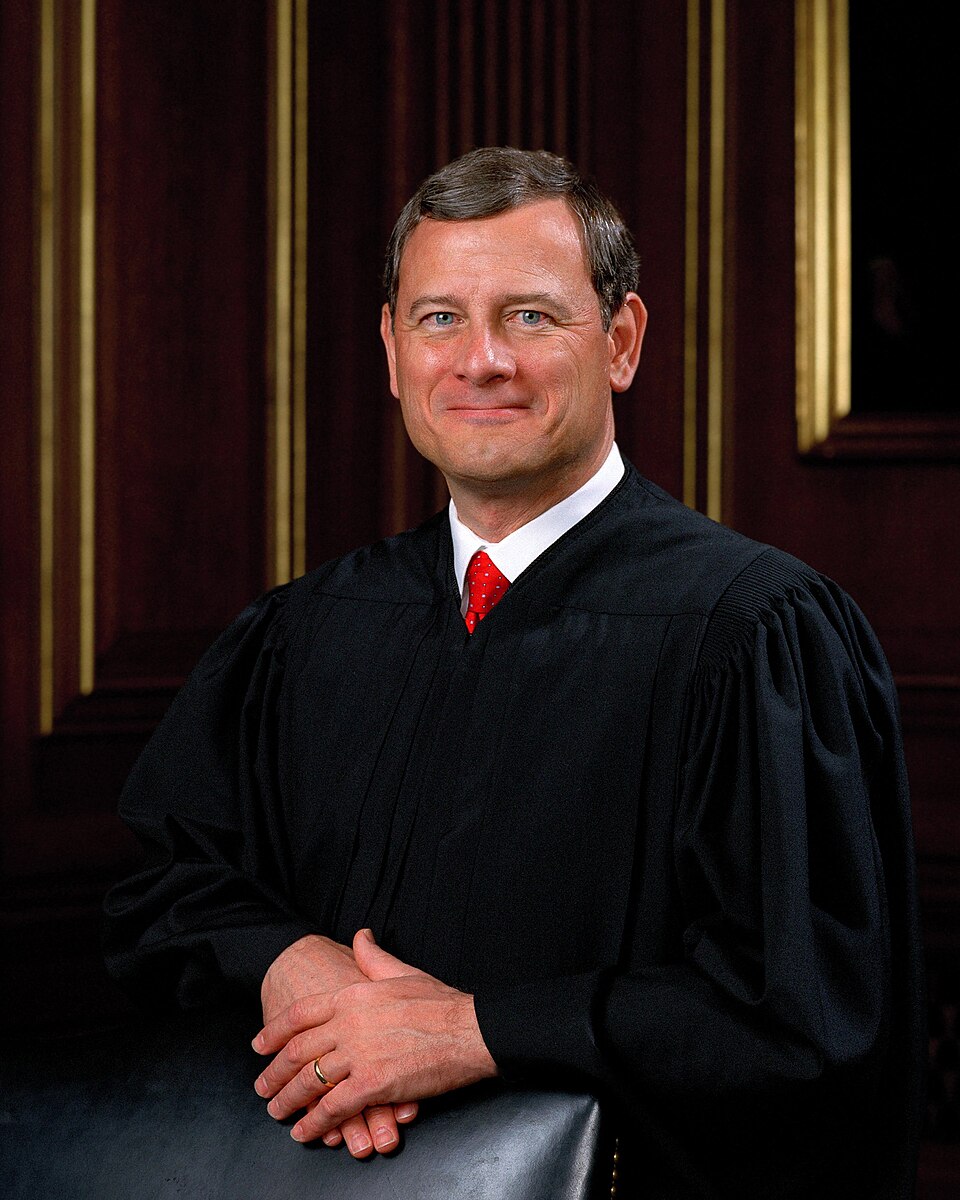
Chief Justice Roberts
Chief Justice
JR
John Roberts
Majority
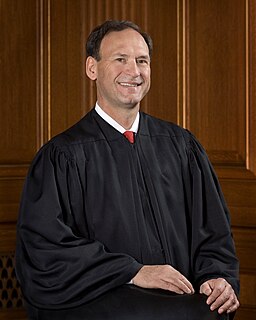
Justice Alito
Majority
SA
Samuel Alito
Majority
Concurred
1 justice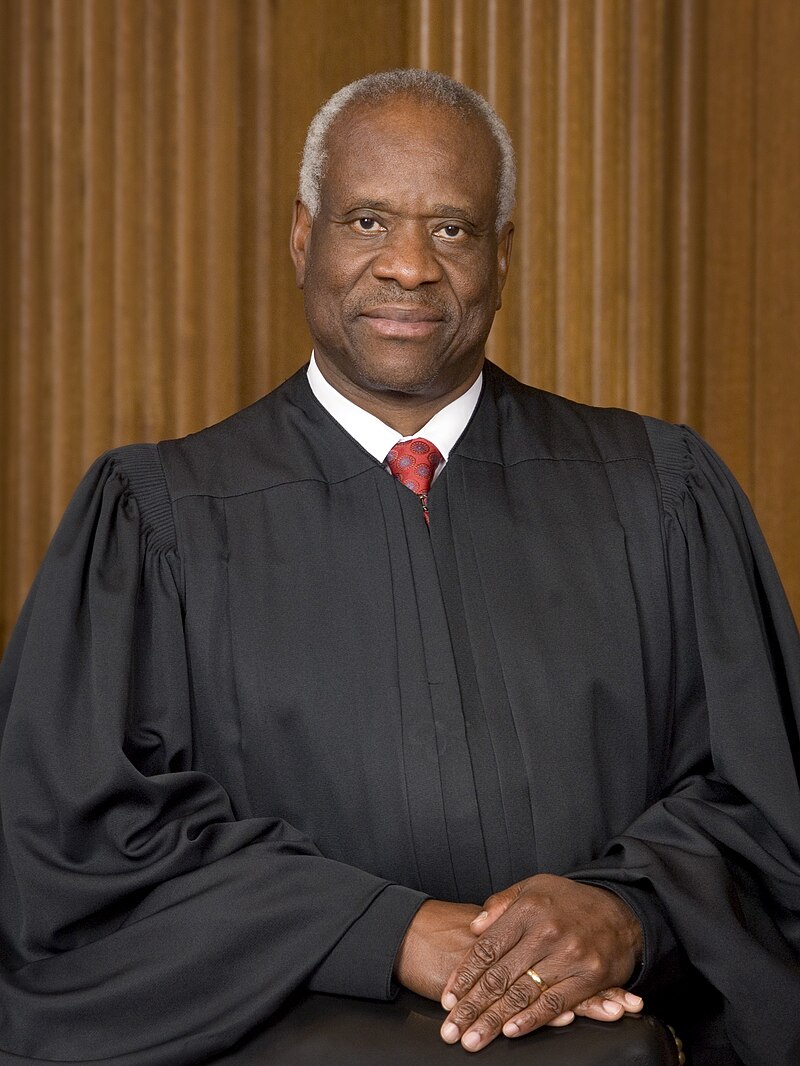
Justice Thomas
Concurred in judgment
Dissented
6 justices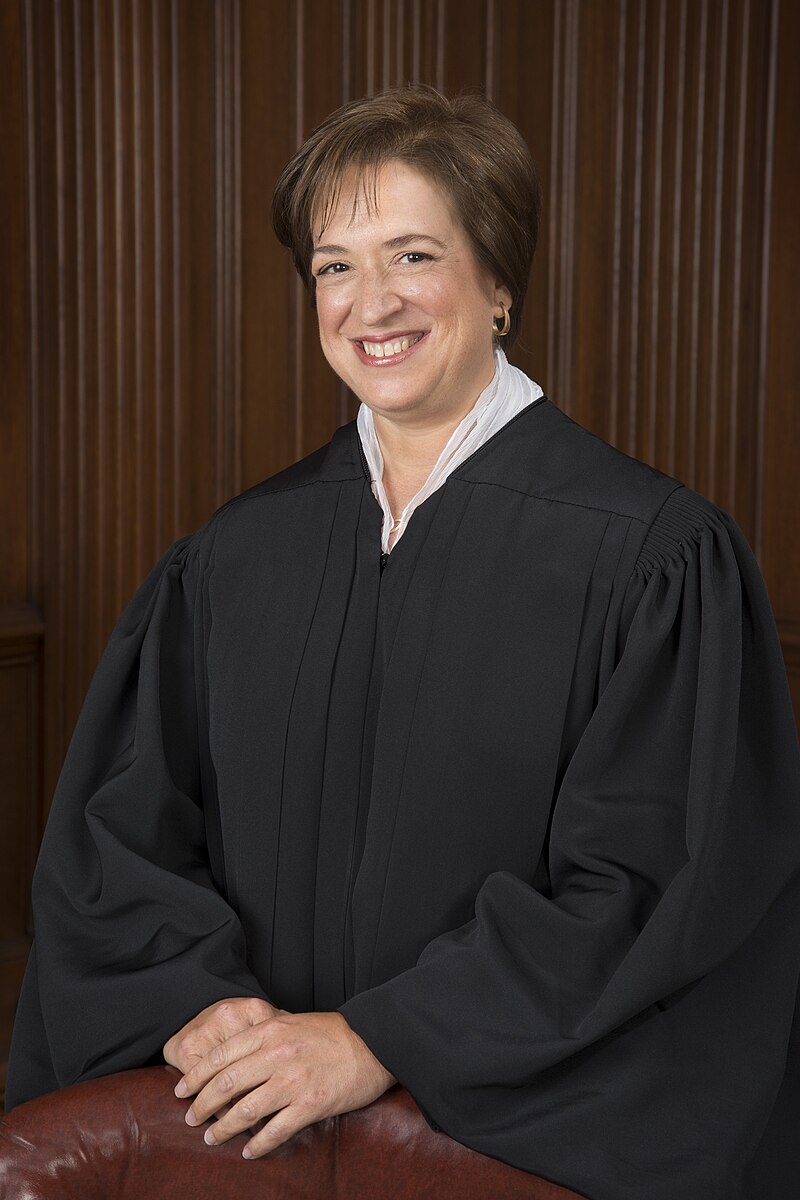
Justice Kagan
Dissent
EK
Elena Kagan
Dissent
RB
Ruth Ginsburg
Dissent
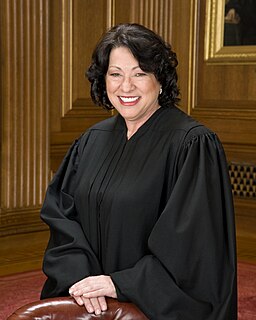
Justice Sotomayor
Dissent
SS
Sonia Sotomayor
Dissent
SB
Stephen Breyer
Dissent
What this means for you
The ruling continued the Court’s narrowing of campaign-finance regulation after Citizens United. It increased the ability of wealthy donors to spread money across many candidates, party committees, and PACs. The decision did not legalize direct unlimited gifts to a single candidate, but it weakened one guardrail that limited the total federal political money one donor could give in a cycle.
Key Takeaways
- The Court struck down aggregate federal contribution limits.
- Base limits on contributions to individual candidates or committees remained in place.
- The plurality limited the anti-corruption interest to quid pro quo corruption or its appearance.
- The dissent warned that the ruling made circumvention of campaign-finance limits easier.
- The decision built on Citizens United and further narrowed Congress’s campaign-finance tools.
Decision
5-4 plurality opinion
- Citation
- 572 U.S. 185 (2014)
- Vote
- 5-4
- Decision type
- Plurality opinion
- Argued
- October 8, 2013
- Decided
- April 2, 2014
- Term
- 2013
- Opinion author
- John Roberts
Chief Justice Roberts announced the judgment of the Court in a plurality opinion joined by Justices Scalia, Kennedy, and Alito. Justice Thomas concurred in the judgment. Justice Breyer dissented, joined by Justices Ginsburg, Sotomayor, and Kagan.