561 U.S. 742 (2010) · 2010
McDonald v. City of Chicago
Second Amendmentgun regulationincorporation doctrinestate and local governmentconstitutional rightsLandmark
Summary
McDonald v. City of Chicago held that the Second Amendment applies to state and local governments through the Fourteenth Amendment. The ruling incorporated the individual gun-rights holding from Heller against the states, while leaving many questions about permissible gun regulation for later cases.
Background & Context
This row should be read with Heller, Bruen, Rahimi, and later Second Amendment cases. McDonald is an incorporation case; it does not answer every question about which gun regulations are constitutional.
The Question Before the Court
Does the Second Amendment right recognized in Heller apply to state and local governments through the Fourteenth Amendment?
Petitioner
McDonald
Party asking the Court to review or reverse
Argued
- The right to keep and bear arms is fundamental.
- The Fourteenth Amendment applies the right to the states.
Respondent
City of Chicago
Party defending the judgment below
Argued
- Older precedent left gun regulation to states.
- Local governments need room to address gun violence.
The Holding
The Second Amendment right recognized in District of Columbia v. Heller applies to state and local governments through the Fourteenth Amendment. A plurality relied on the Due Process Clause; Justice Thomas concurred in the judgment through the Privileges or Immunities Clause.
The Court
How the justices lined up in this decision.
5-4
Vote
Joined decision
7 justicesAK
Anthony Kennedy
Majority
AS
Antonin Scalia
Majority
CT
Clarence Thomas
Majority
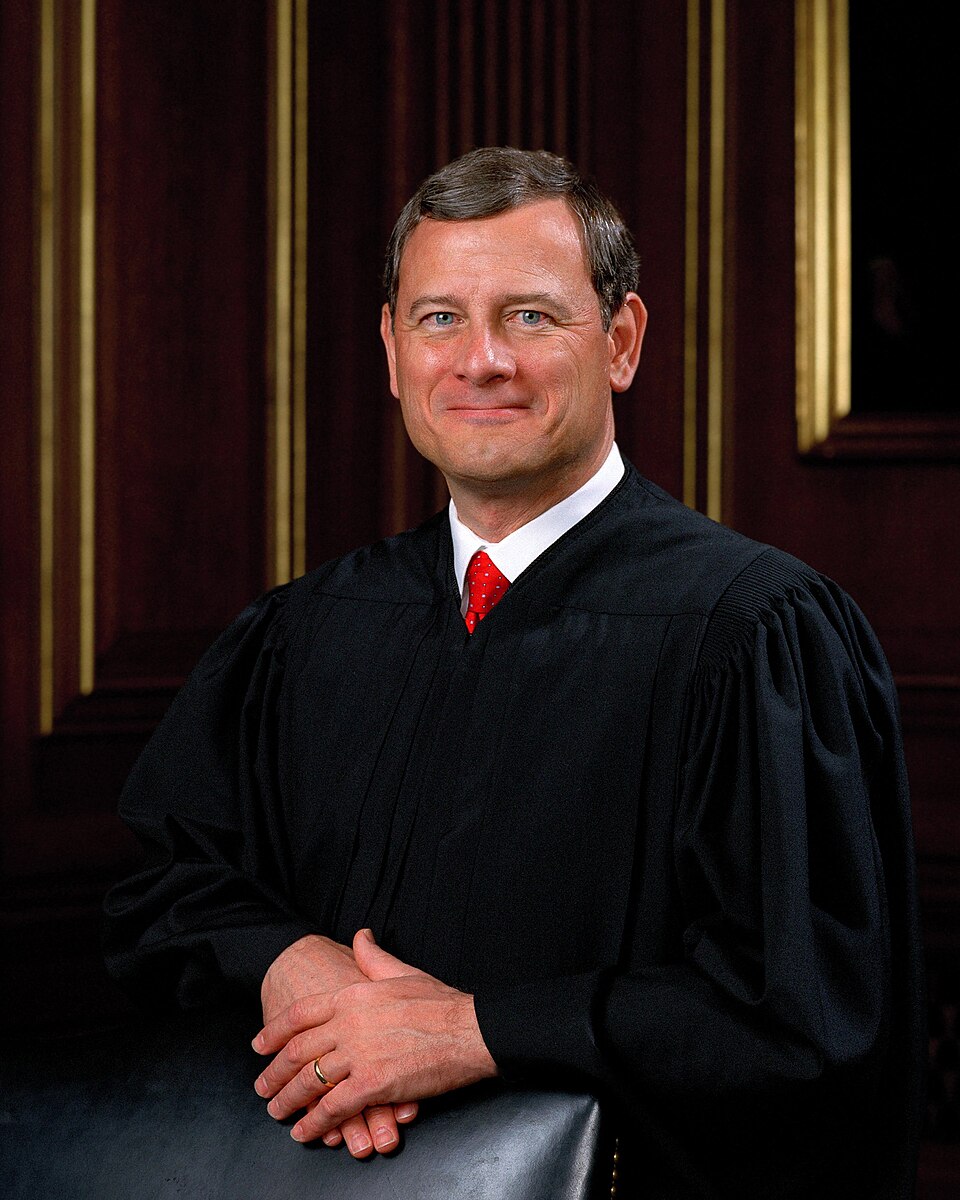
Chief Justice Roberts
Chief Justice
JR
John Roberts
Majority
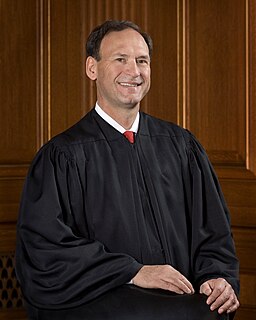
Justice Alito
Majority
SA
Samuel Alito
Majority
Concurred
1 justice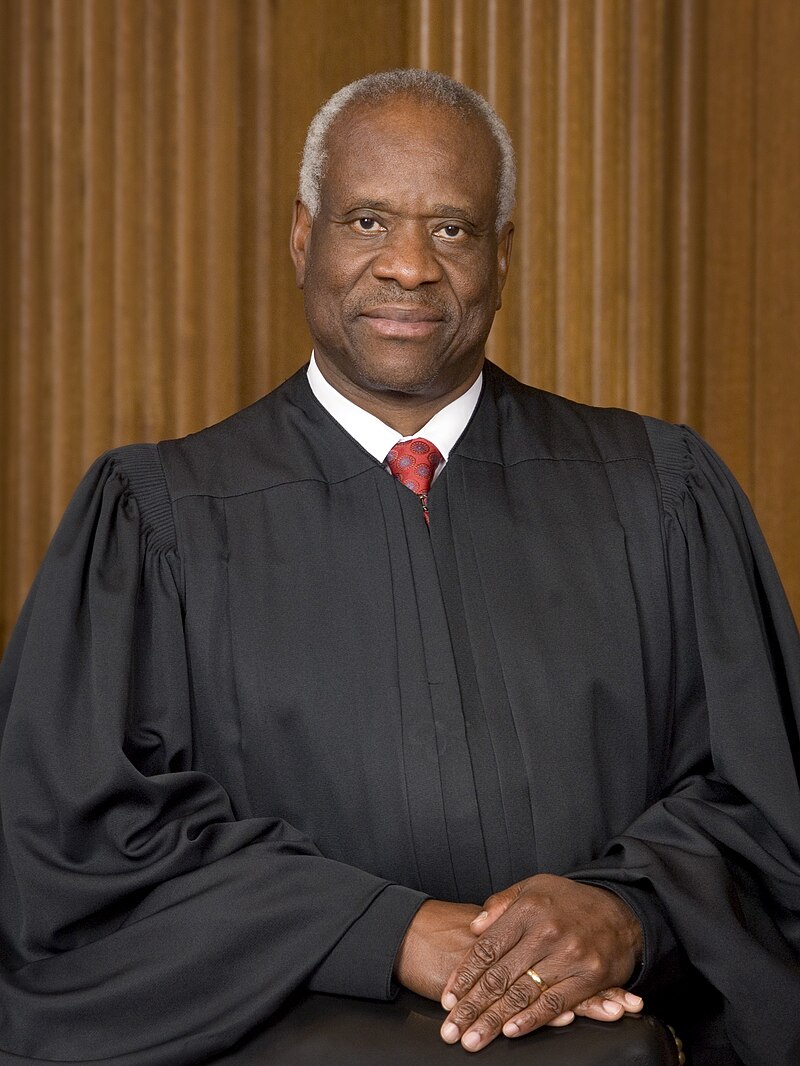
Justice Thomas
Concurred in judgment
Dissented
5 justicesJP
John Stevens
Dissent
RB
Ruth Ginsburg
Dissent
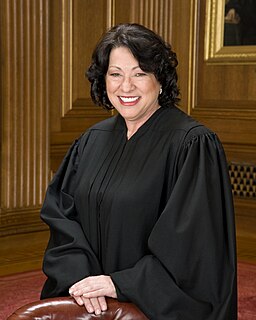
Justice Sotomayor
Dissent
SS
Sonia Sotomayor
Dissent
SB
Stephen Breyer
Dissent
What this means for you
The ruling made state and local gun laws subject to Second Amendment review. It opened a new wave of litigation against city and state firearm regulations, especially handgun bans and other local restrictions. The case did not settle which gun regulations are constitutional; it decided that the Second Amendment applies against states and localities. Later cases, especially Bruen and Rahimi, reshaped the test courts use for those challenges.
Key Takeaways
- The Court held that the Second Amendment applies to state and local governments.
- A plurality used the Due Process Clause of the Fourteenth Amendment for incorporation.
- Justice Thomas supplied the fifth vote using the Privileges or Immunities Clause.
- The decision extended Heller beyond federal enclaves like Washington, D.C.
- The ruling opened state and local gun regulations to Second Amendment challenges.
Decision
5-4 plurality opinion
- Citation
- 561 U.S. 742 (2010)
- Vote
- 5-4
- Decision type
- Plurality opinion
- Argued
- March 2, 2010
- Decided
- June 28, 2010
- Term
- 2009
- Opinion author
- Samuel Alito
Justice Alito announced the judgment and wrote a plurality opinion joined in full or part by Chief Justice Roberts and Justices Scalia, Kennedy, and Thomas. Justice Scalia concurred. Justice Thomas concurred in part and in the judgment. Justice Stevens dissented. Justice Breyer dissented, joined by Justices Ginsburg and Sotomayor.