591 U.S. 894 (2020) · 2020
McGirt v. Oklahoma
tribal sovereigntycriminal jurisdictionNative rightstreaty obligationsfederalismLandmark
Summary
McGirt v. Oklahoma held that the Creek Reservation was never disestablished and remains Indian country under federal law. Because McGirt was an enrolled tribal member and the crimes occurred within reservation boundaries, Oklahoma lacked jurisdiction under the Major Crimes Act.
Background & Context
The case grew from promises made to the Muscogee Creek Nation and the long history of federal and state efforts to limit tribal sovereignty. The question was not whether reservation status was convenient for Oklahoma, but whether Congress had clearly ended it.
The Question Before the Court
Did Congress disestablish the Creek Reservation, or does the land remain Indian country for purposes of the Major Crimes Act?
Petitioner
McGirt
Party asking the Court to review or reverse
Argued
- Congress never disestablished the reservation.
- Treaty promises must be enforced as written.
Respondent
Oklahoma
Party defending the judgment below
Argued
- The reservation had effectively ended.
- Jurisdictional disruption would be severe.
The Holding
For purposes of the Major Crimes Act, much of eastern Oklahoma, including the Creek Reservation, remains Indian country because Congress never clearly disestablished the reservation.
The Court
How the justices lined up in this decision.
3-4
Vote
Joined decision
8 justices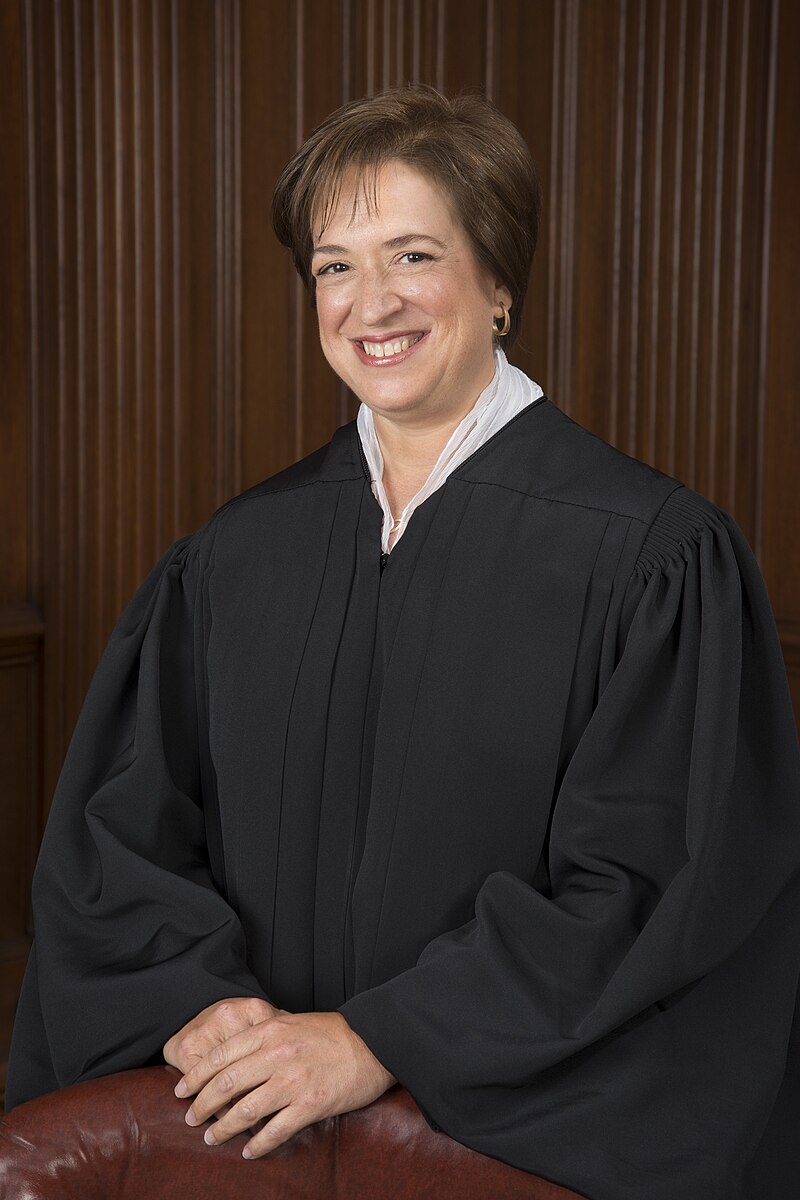
Justice Kagan
Majority
EK
Elena Kagan
Majority
NG
Neil Gorsuch
Majority
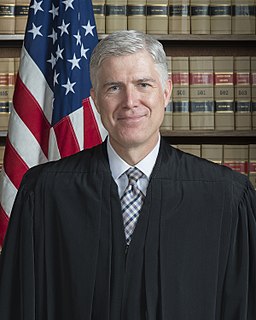
Justice Gorsuch
Majority
RB
Ruth Ginsburg
Majority
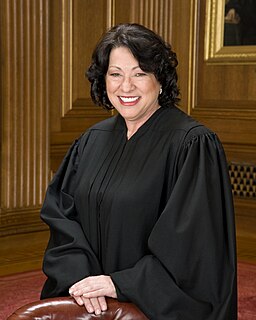
Justice Sotomayor
Majority
SS
Sonia Sotomayor
Majority
SB
Stephen Breyer
Majority
Dissented
8 justicesBK
Brett Kavanaugh
Dissent
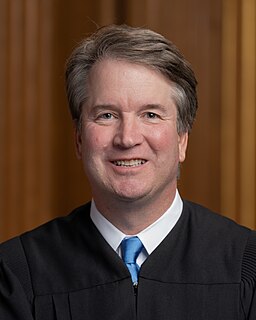
Justice Kavanaugh
Dissent
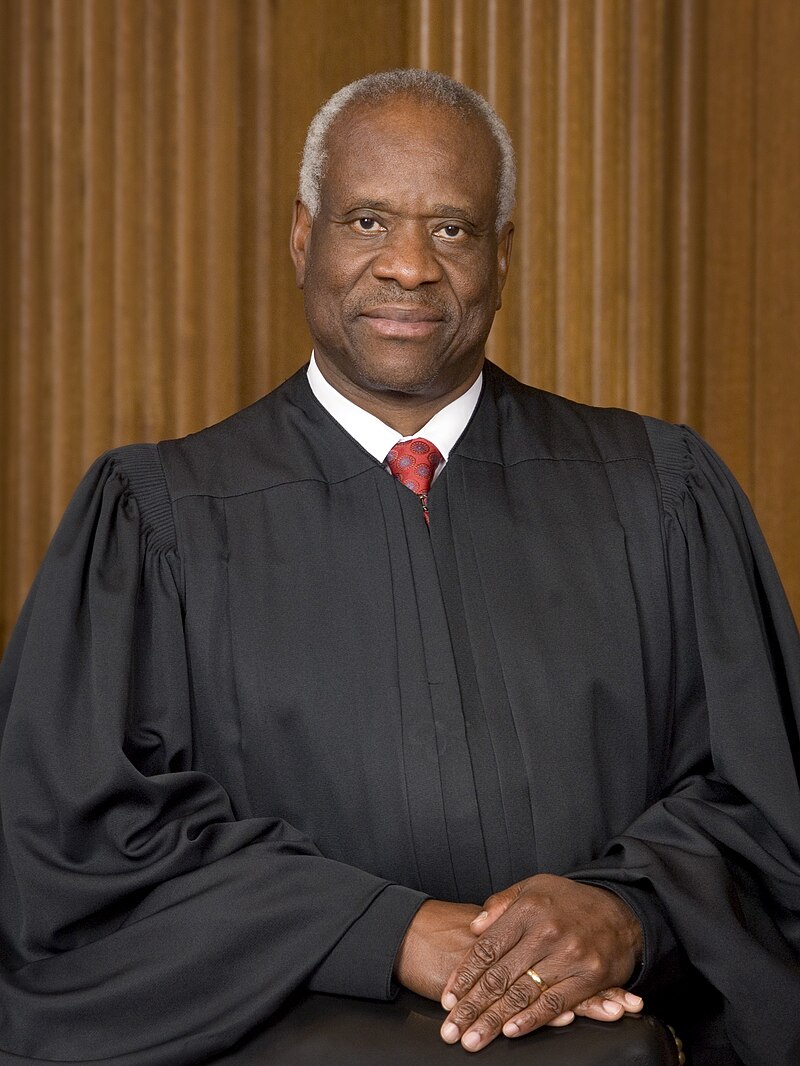
Justice Thomas
Dissent
CT
Clarence Thomas
Dissent
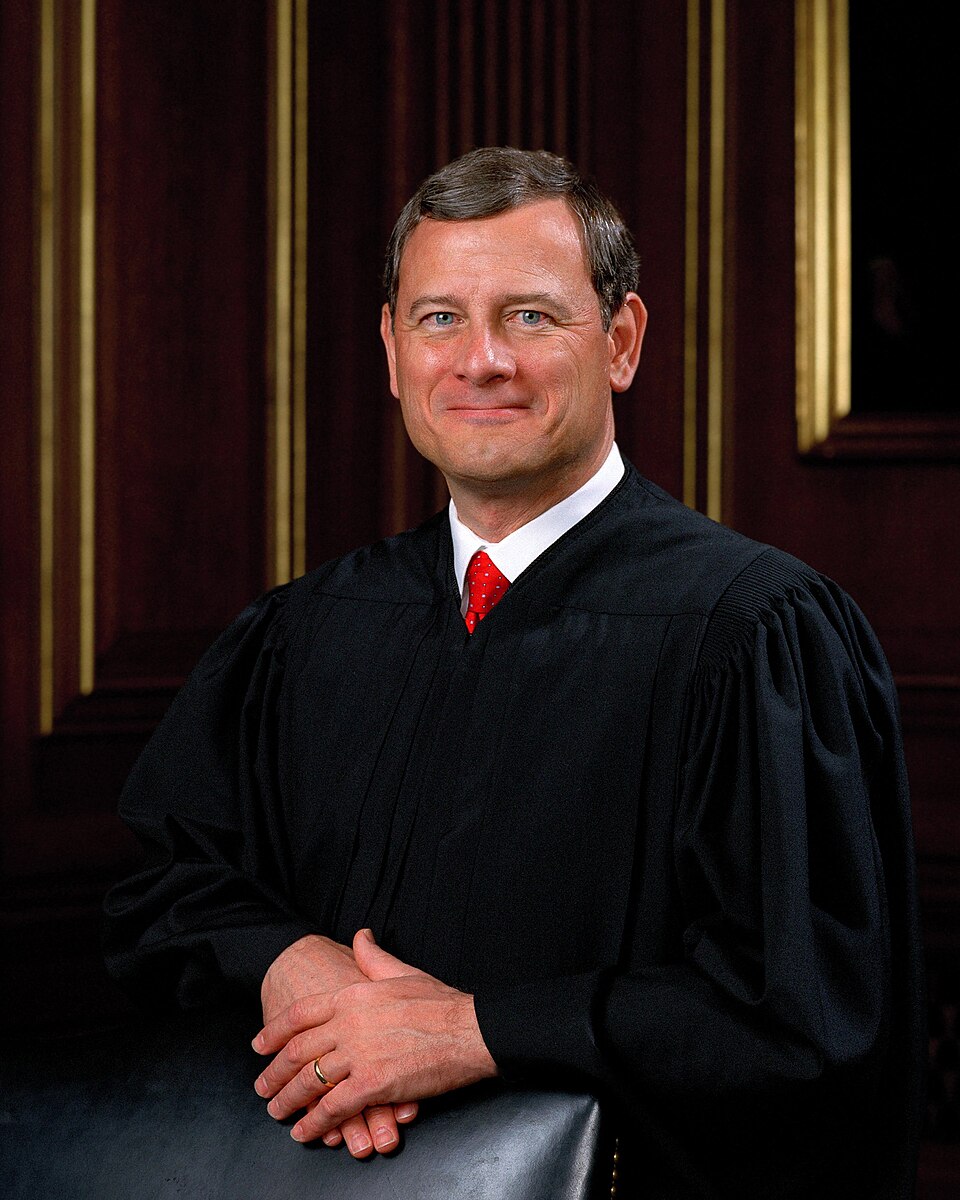
Chief Justice Roberts
Chief Justice
JR
John Roberts
Dissent
Justice Alito
Dissent
SA
Samuel Alito
Dissent
What this means for you
The ruling was a major tribal-sovereignty decision. It shifted some criminal jurisdiction from Oklahoma to federal and tribal authorities and confirmed that treaty promises cannot be erased by state practice or historical assumption. The decision affected Native people, victims, prosecutors, tribal governments, and state agencies across much of eastern Oklahoma.
Key Takeaways
- Congress must clearly disestablish a reservation; courts cannot infer disestablishment from history or state practice.
- The Creek Reservation remains Indian country for Major Crimes Act purposes.
- The decision reinforced tribal sovereignty and treaty enforcement.
- The ruling shifted some criminal cases from state court to federal or tribal jurisdiction.
- The case affected jurisdiction across much of eastern Oklahoma.
Decision
3-4 majority opinion
- Citation
- 591 U.S. 894 (2020)
- Vote
- 3-4
- Decision type
- Majority opinion
- Argued
- May 11, 2020
- Decided
- July 9, 2020
- Term
- 2019
- Opinion author
- Neil Gorsuch
Justice Gorsuch wrote the Court's opinion, joined by Justices Ginsburg, Breyer, Sotomayor, and Kagan. Chief Justice Roberts dissented, joined by Justices Alito and Kavanaugh and by Justice Thomas in part. Justice Thomas filed a separate dissent.