545 U.S. 913 (2005) · 2005
MGM Studios Inc. v. Grokster, Ltd.
copyrighttechnology platformspeer-to-peer softwaredigital mediainternet lawLandmark
Summary
MGM v. Grokster held that technology distributors can be liable for copyright infringement when they intentionally induce users to infringe. The Court preserved Sony’s protection for technologies with lawful uses but created a path for liability based on promotion of infringement.
Background & Context
This case should be explained as a platform-responsibility case before the modern social-platform era. The key distinction is lawful technology design versus intentionally promoting infringing use.
The Question Before the Court
Can distributors of file-sharing software be liable for copyright infringement when their software has lawful uses but they intentionally encourage users to infringe?
Petitioner
MGM Studios Inc.
Party asking the Court to review or reverse
Argued
- The companies induced infringement.
Respondent
Grokster, Ltd.
Party defending the judgment below
Argued
- The software had substantial lawful uses.
The Holding
A distributor of a device or service can be liable for users’ copyright infringement when it distributes the product with the object of promoting its use to infringe, as shown by clear expression or other affirmative steps to foster infringement.
The Court
How the justices lined up in this decision.
9-0
Vote
Joined decision
10 justicesAK
Anthony Kennedy
Majority
AS
Antonin Scalia
Majority
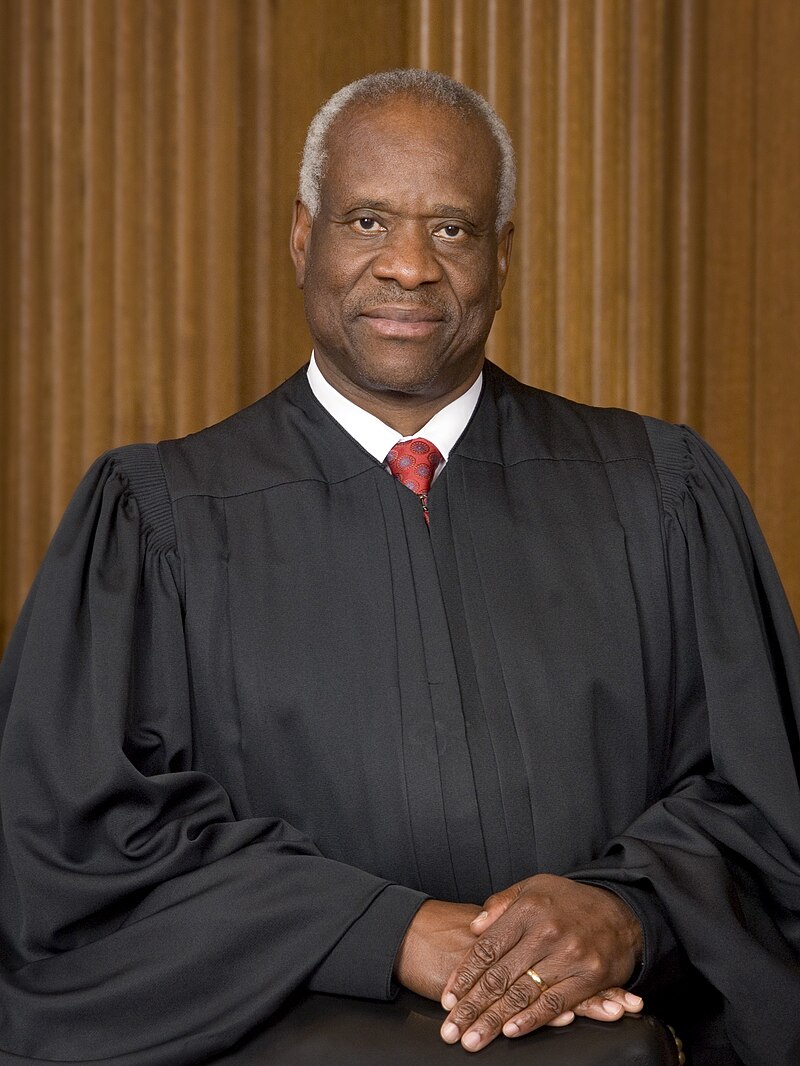
Justice Thomas
Majority
CT
Clarence Thomas
Majority
DS
David Souter
Majority
JP
John Stevens
Majority
RB
Ruth Ginsburg
Majority
SD
Sandra O’Connor
Majority
SB
Stephen Breyer
Majority
WR
William Rehnquist
Majority
What this means for you
Grokster changed how technology companies manage copyright risk. Platforms and software developers can design general-purpose tools, but they face liability if they market, design, or operate them to encourage infringement. The case matters for music, film, software, internet platforms, and later debates over user-generated content, piracy, and platform responsibility.
Key Takeaways
- The Court adopted copyright inducement liability for technology distributors.
- Sony still protects technologies capable of substantial lawful use.
- A company can be liable when it actively encourages infringement.
- Evidence of targeting Napster users and building a business around infringing use mattered.
- The decision shaped platform and software-company copyright compliance.
Decision
9-0 majority opinion
- Citation
- 545 U.S. 913 (2005)
- Vote
- 9-0
- Decision type
- Majority opinion
- Argued
- March 29, 2005
- Decided
- June 27, 2005
- Term
- 2004
- Opinion author
- David Souter
Justice Souter wrote for a unanimous Court. Justice Ginsburg concurred, joined by Chief Justice Rehnquist and Justice Kennedy. Justice Breyer concurred, joined by Justices Stevens and O’Connor.