573 U.S. 513 (2014) · 2014
National Labor Relations Board v. Noel Canning
presidential powerSenateappointmentsseparation of powerslabor lawLandmark
Summary
NLRB v. Noel Canning held that President Obama’s challenged recess appointments to the NLRB were invalid because the Senate was holding pro forma sessions and retained the capacity to conduct business. The Court also held that the Recess Appointments Clause can apply to intrasession recesses and vacancies that predate the recess.
Background & Context
This case should be framed as a separation-of-powers decision that both limited a specific presidential appointment move and preserved some recess-appointment authority for genuine recesses.
The Question Before the Court
When may the President use the Recess Appointments Clause, and did pro forma Senate sessions prevent the challenged NLRB recess appointments?
Petitioner
National Labor Relations Board
Party asking the Court to review or reverse
Argued
- Historical practice supported broader recess appointment authority.
- The Senate was functionally unavailable.
Respondent
Noel Canning
Party defending the judgment below
Argued
- The Senate decides when it is in session.
- The appointments bypassed Senate confirmation.
The Holding
The President’s recess-appointment power applies to both intersession and intrasession recesses of sufficient length and to vacancies that arise before or during the recess, but the Senate is in session when it says it is if it retains the capacity to transact business. President Obama’s challenged NLRB appointments during pro forma sessions were invalid.
The Court
How the justices lined up in this decision.
9-0 judgment; 5-4 reasoning split
Vote
Joined decision
7 justicesAK
Anthony Kennedy
Majority
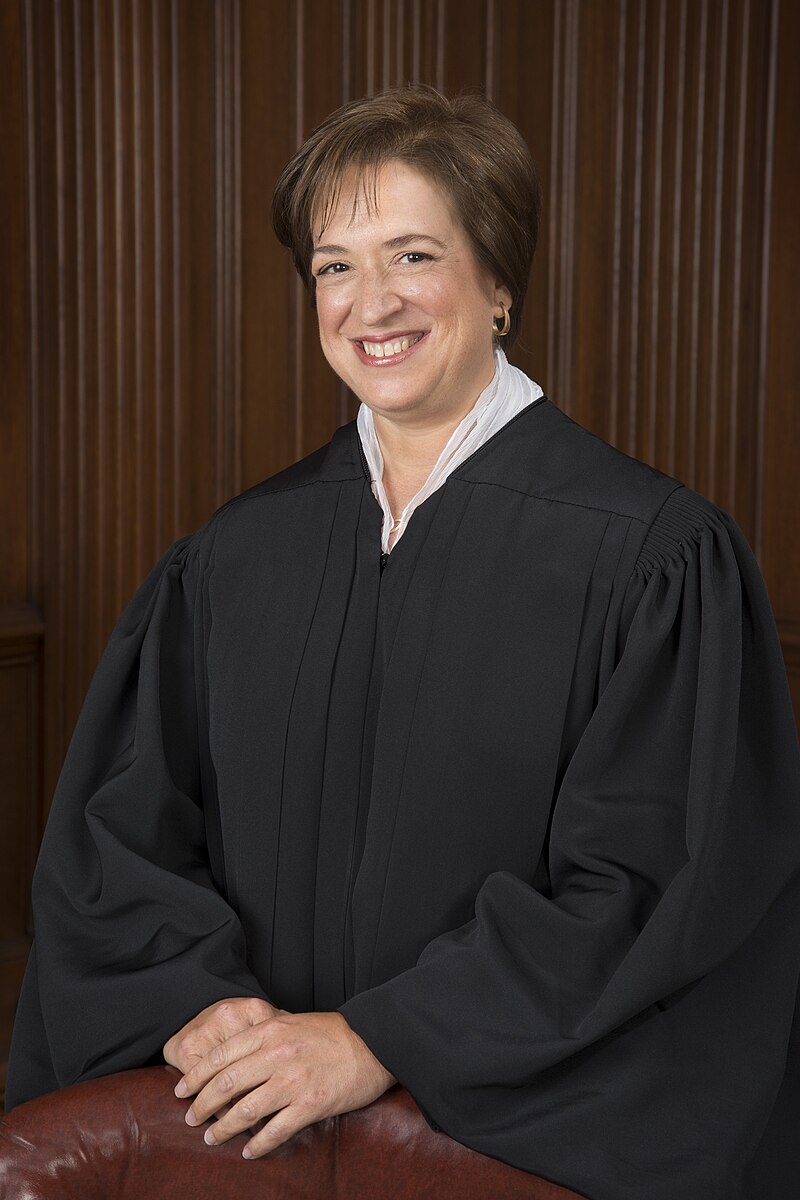
Justice Kagan
Majority
EK
Elena Kagan
Majority
RB
Ruth Ginsburg
Majority
Justice Sotomayor
Majority
SS
Sonia Sotomayor
Majority
SB
Stephen Breyer
Majority
Concurred
7 justices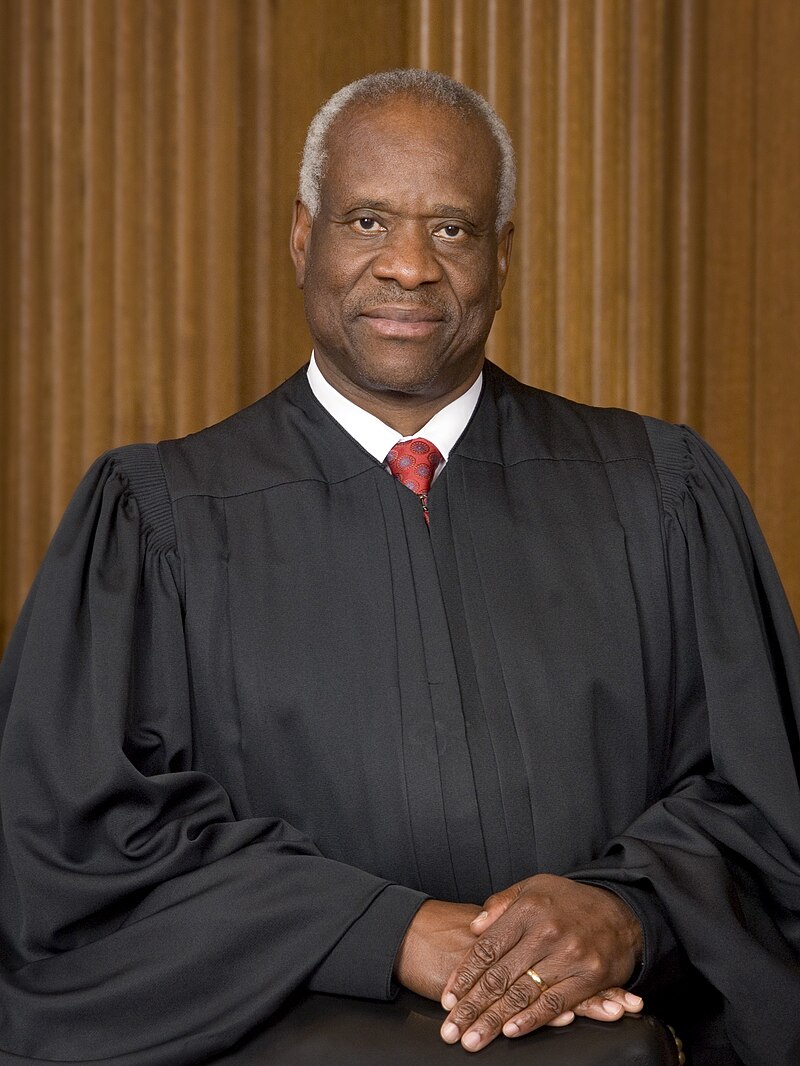
Justice Thomas
Concurred in judgment
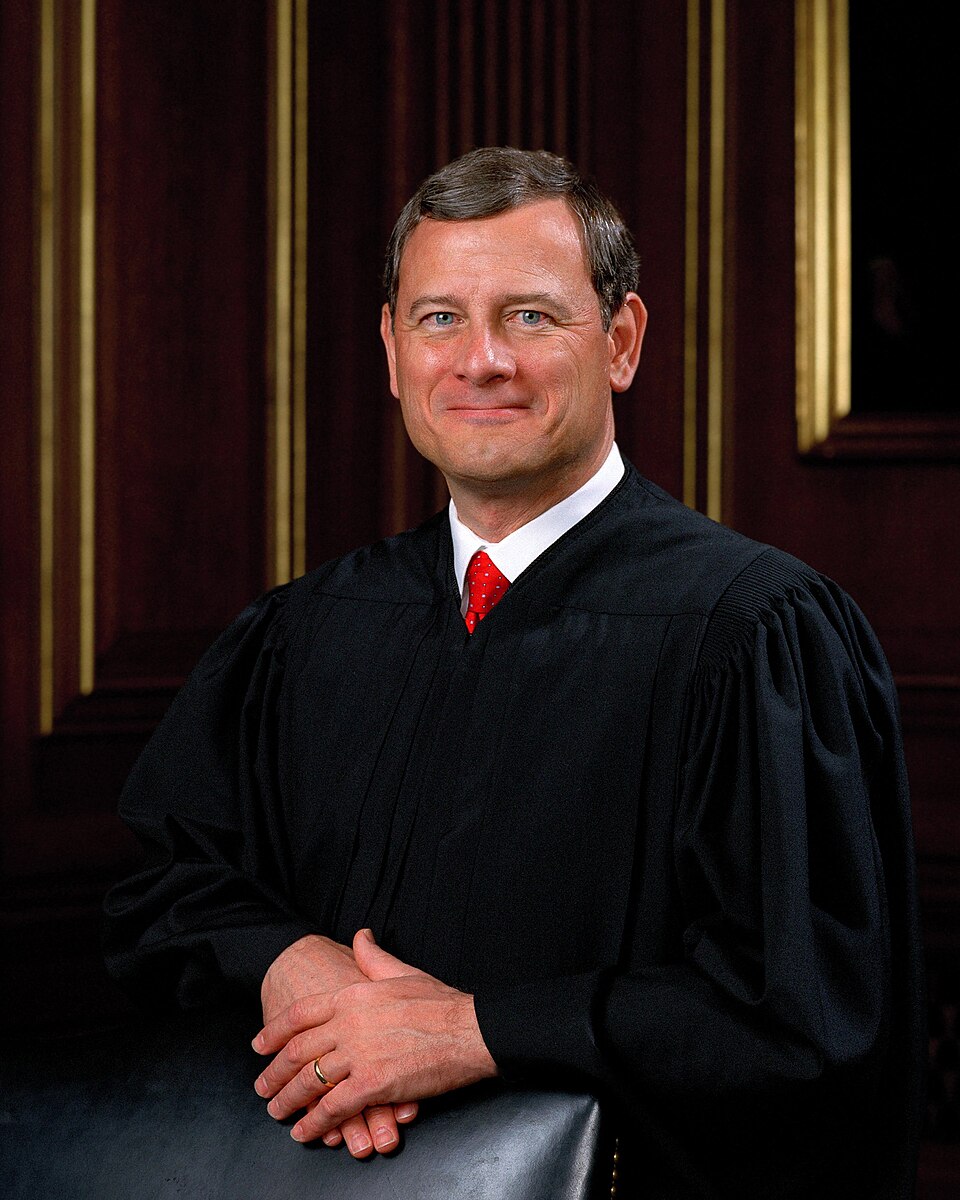
Chief Justice Roberts
Chief Justice
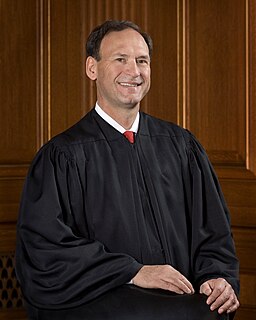
Justice Alito
Concurred in judgment
AS
Antonin Scalia
Concurred
CT
Clarence Thomas
Concurred
JR
John Roberts
Concurred
SA
Samuel Alito
Concurred
What this means for you
The ruling protected a Senate tool for blocking recess appointments and gave Congress more leverage over executive appointments. It also preserved some historic recess-appointment authority for presidents during genuine recesses. The immediate effect was to invalidate the NLRB appointments and call into question actions taken by the improperly constituted Board.
Key Takeaways
- The Court invalidated the challenged NLRB recess appointments.
- The Senate is in session when it says it is, if it can transact business.
- Pro forma sessions can prevent a recess long enough to trigger appointment power.
- The majority preserved broader recess-appointment authority for genuine recesses.
- The judgment was unanimous, but the reasoning split 5-4.
Decision
9-0 judgment; 5-4 reasoning split majority opinion
- Citation
- 573 U.S. 513 (2014)
- Vote
- 9-0 judgment; 5-4 reasoning split
- Decision type
- Majority opinion
- Argued
- January 13, 2014
- Decided
- June 26, 2014
- Term
- 2013
- Opinion author
- Stephen Breyer
Justice Breyer wrote the Court’s opinion, joined by Justices Kennedy, Ginsburg, Sotomayor, and Kagan. Justice Scalia concurred in the judgment, joined by Chief Justice Roberts and Justices Thomas and Alito.