597 U.S. 1 (2022) · 2022
New York State Rifle & Pistol Association, Inc. v. Bruen
Second Amendmentpublic carrygun regulationself-defenseconstitutional historyLandmark
Summary
Bruen held that New York's proper-cause requirement violated the Second and Fourteenth Amendments. The Court said the government must justify modern firearm regulations by showing consistency with the Nation's historical tradition of firearm regulation. The ruling expanded public-carry rights and transformed lower-court review of gun laws.
Background & Context
Before Bruen, several states used may-issue licensing rules requiring applicants to show special need before carrying handguns in public. The Court had previously recognized an individual right to possess handguns in the home in Heller and incorporated that right against the states in McDonald.
The Question Before the Court
Does New York's requirement that applicants show proper cause to obtain a public carry license violate the Second and Fourteenth Amendments?
Petitioner
New York State Rifle & Pistol Association, Inc.
Party asking the Court to review or reverse
Argued
- The word 'bear' in the Second Amendment naturally encompasses public carry
- Government must demonstrate regulation is consistent with Nation's historical tradition of firearm regulation
- Rejected two-step framework combining history with means-end scrutiny; Heller focused on text and history
- Historical analysis may require reasoning by analogy to determine if regulations are 'relevantly similar'
- Sensitive places doctrine (schools, government buildings) cannot apply so broadly as to cover all places of public congregation
Respondent
Bruen
Party defending the judgment below
Argued
- Proper-cause requirement is necessary for public safety
- Historical precedent supports regulation of public carry
- Laws limited intent, manner, and circumstances of carrying arms historically
- Two-step framework combining history with means-end scrutiny is appropriate
The Holding
The Second and Fourteenth Amendments protect an individual's right to carry a handgun for self-defense outside the home, and New York's proper-cause requirement for public carry licenses is unconstitutional.
The Court
How the justices lined up in this decision.
6-3
Vote
Joined decision
8 justices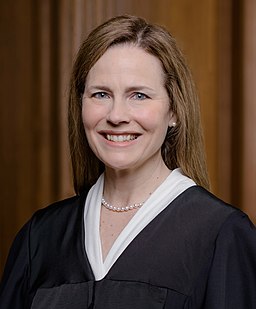
Justice Barrett
Majority
AC
Amy Barrett
Majority
BK
Brett Kavanaugh
Majority
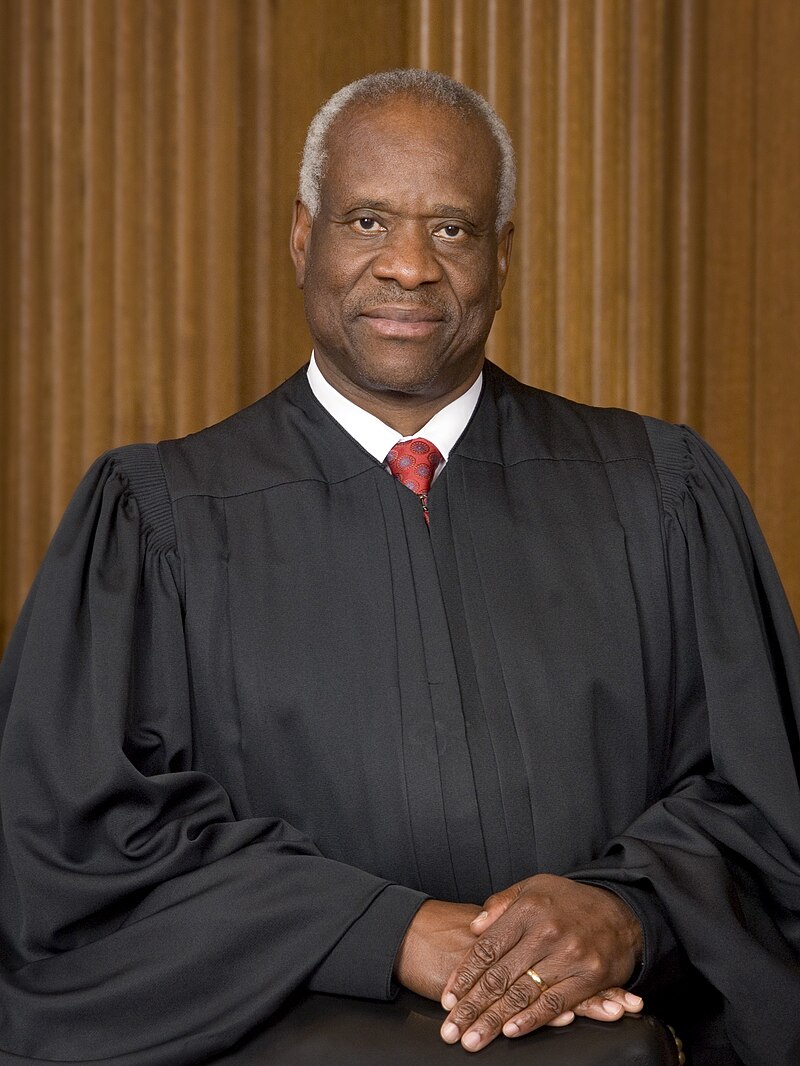
Justice Thomas
Majority
CT
Clarence Thomas
Majority
JR
John Roberts
Majority
NG
Neil Gorsuch
Majority
SA
Samuel Alito
Majority
Concurred
4 justices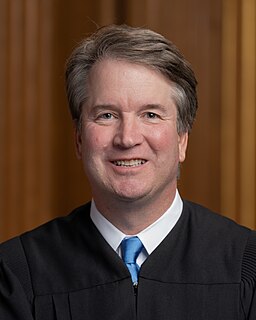
Justice Kavanaugh
Concurred
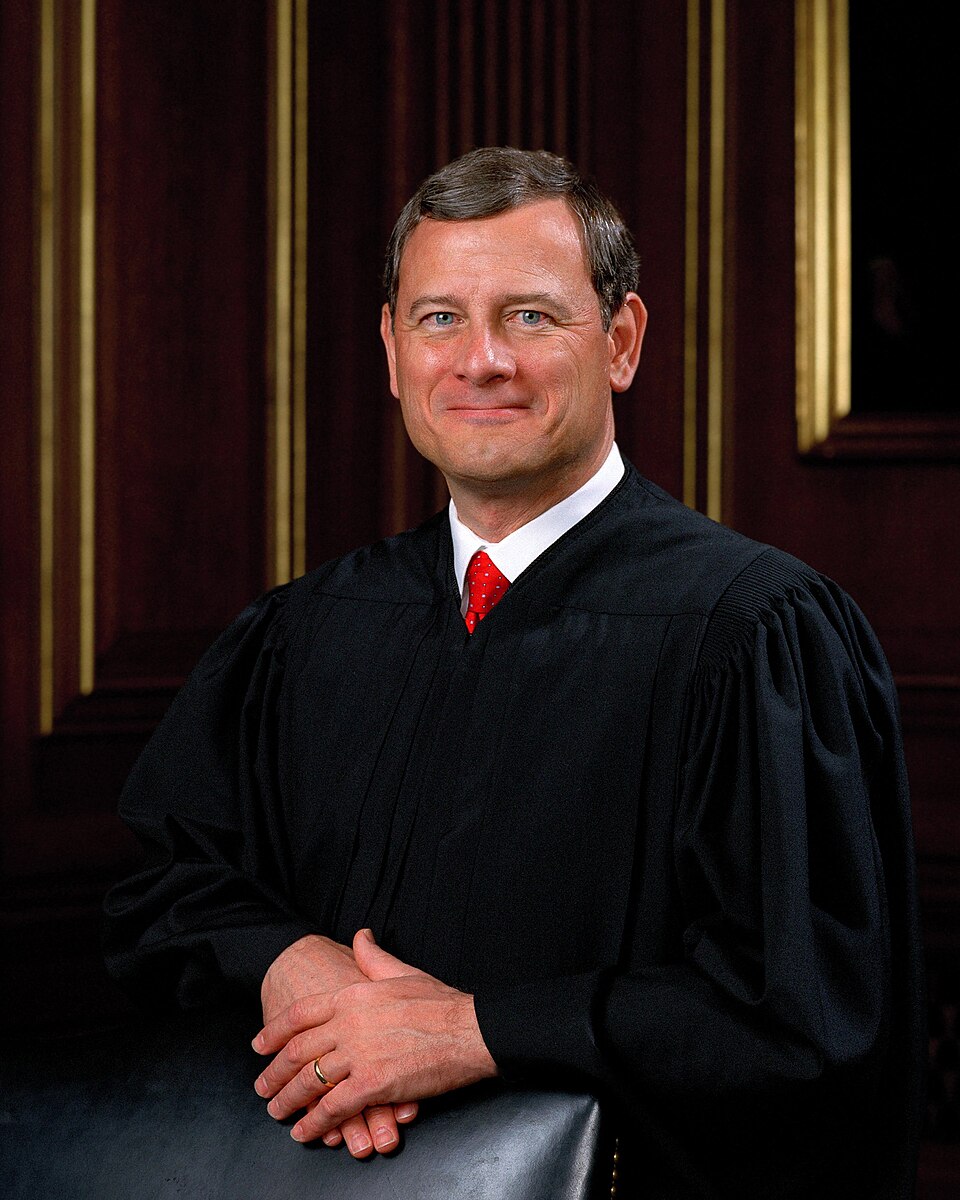
Chief Justice Roberts
Chief Justice
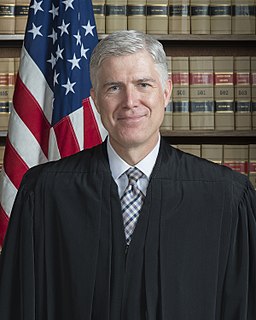
Justice Gorsuch
Concurred
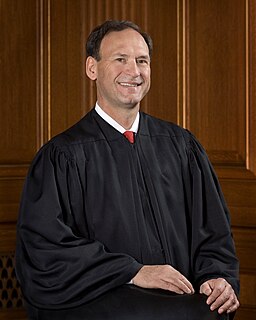
Justice Alito
Concurred
Dissented
5 justices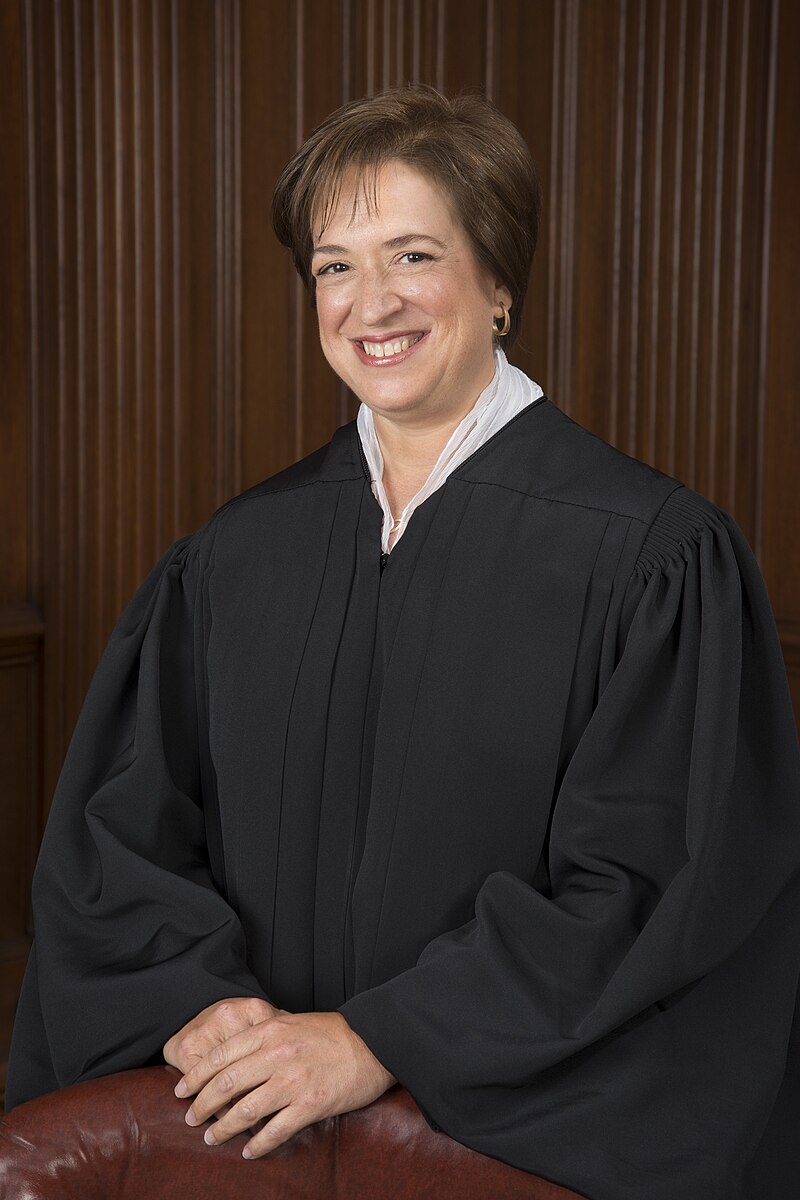
Justice Kagan
Dissent
EK
Elena Kagan
Dissent
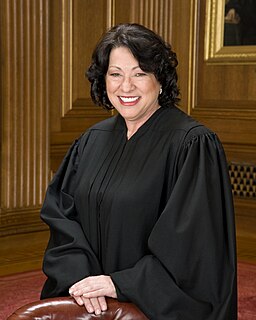
Justice Sotomayor
Dissent
SS
Sonia Sotomayor
Dissent
SB
Stephen Breyer
Dissent
What this means for you
Bruen made it much harder for states to defend discretionary may-issue public-carry licensing systems. It also reshaped gun litigation by requiring courts to compare modern laws to historical analogues. That test has affected challenges to sensitive-place laws, domestic-violence firearm bans, age limits, assault-weapon rules, and many other regulations.
Key Takeaways
- The Court recognized a right to carry handguns in public for self-defense.
- New York's proper-cause requirement was unconstitutional.
- The decision rejected means-end scrutiny in Second Amendment cases.
- The Court announced a history-and-tradition framework.
- The practical effect was broad new litigation over gun regulations nationwide.
Decision
6-3 majority opinion
- Citation
- 597 U.S. 1 (2022)
- Vote
- 6-3
- Decision type
- Majority opinion
- Argued
- November 3, 2021
- Decided
- June 23, 2022
- Term
- 2021
- Opinion author
- Clarence Thomas
Justice Thomas wrote the Court's opinion, joined by Chief Justice Roberts and Justices Alito, Gorsuch, Kavanaugh, and Barrett. Justices Alito, Kavanaugh, and Barrett concurred. Justice Breyer dissented, joined by Justices Sotomayor and Kagan.