551 U.S. 701 (2007) · 2007
Parents Involved in Community Schools v. Seattle School District No. 1
equal protectionschool integrationracial segregationeducationcivil rightsLandmark
Summary
Parents Involved struck down Seattle and Jefferson County student-assignment plans that used individual racial classifications. The controlling result barred these specific plans but left room for narrower race-conscious efforts to reduce racial isolation and promote diversity.
Background & Context
This case should be taught with Brown, Milliken, and later affirmative-action decisions. It is not simply a school-choice case; it is about how constitutional doctrine treats voluntary attempts to address racial isolation after decades of legally enforced and structurally maintained segregation.
The Question Before the Court
Do public-school assignment plans that classify individual students by race to promote diversity or avoid racial isolation violate the Equal Protection Clause?
Petitioner
Parents Involved in Community Schools
Party asking the Court to review or reverse
Argued
- The assignment plans classified children by race.
- The plans were not narrowly tailored.
Respondent
Seattle School District No. 1
Party defending the judgment below
Argued
- The districts had compelling interests in integration and avoiding racial isolation.
- Voluntary integration advanced Brown’s promise.
The Holding
The student-assignment plans used by Seattle and Jefferson County violated the Equal Protection Clause because they classified individual students by race and were not narrowly tailored to achieve a compelling interest. Justice Kennedy supplied the controlling vote and left room for race-conscious tools that do not sort individual students by race in the same way.
The Court
How the justices lined up in this decision.
5-4 judgment; controlling concurrence by Justice Kennedy
Vote
Joined decision
8 justicesAK
Anthony Kennedy
Majority
AS
Antonin Scalia
Majority
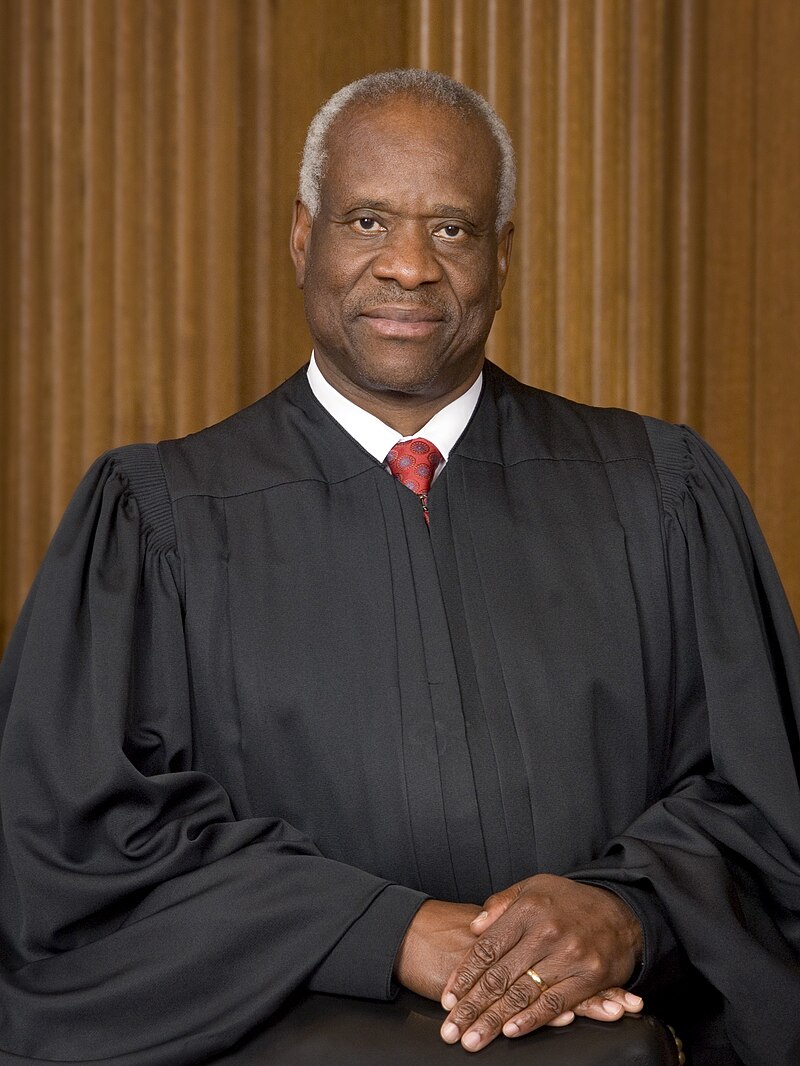
Justice Thomas
Majority
CT
Clarence Thomas
Majority
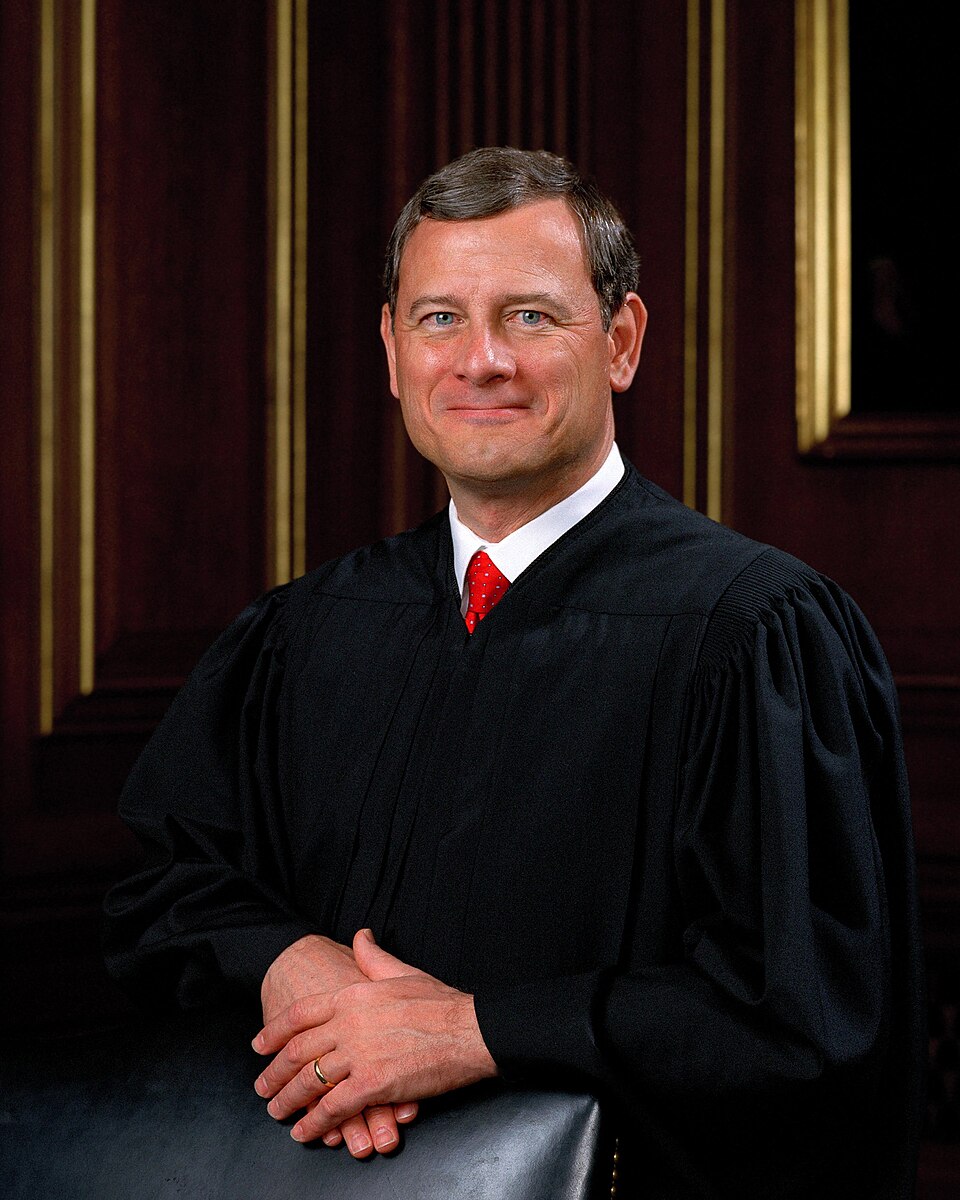
Chief Justice Roberts
Chief Justice
JR
John Roberts
Majority
Justice Alito
Majority
SA
Samuel Alito
Majority
Dissented
4 justicesDS
David Souter
Dissent
JP
John Stevens
Dissent
RB
Ruth Ginsburg
Dissent
SB
Stephen Breyer
Dissent
What this means for you
The ruling made it harder for school districts to use direct racial classifications to maintain integrated public schools. It mattered especially in districts still shaped by housing segregation, white flight, and unequal school access. The decision did not ban every race-conscious policy, but it pushed districts toward indirect tools like attendance-zone design, site selection, targeted outreach, and socioeconomic factors. The case remains central to debates over whether equal protection requires race-blind policy or permits active work against racial isolation.
Key Takeaways
- The Court struck down the specific student-assignment plans used by Seattle and Jefferson County.
- The plans used individual students’ race and failed strict scrutiny.
- Justice Kennedy’s controlling concurrence left some race-conscious integration strategies available.
- The case limited voluntary school-integration efforts after Brown.
- The ruling matters because school segregation is often tied to housing patterns, district boundaries, and historic discrimination.
Decision
5-4 judgment; controlling concurrence by Justice Kennedy plurality opinion
- Citation
- 551 U.S. 701 (2007)
- Vote
- 5-4 judgment; controlling concurrence by Justice Kennedy
- Decision type
- Plurality opinion
- Argued
- December 4, 2006
- Decided
- June 28, 2007
- Term
- 2006
- Opinion author
- John Roberts
Chief Justice Roberts wrote a plurality opinion joined by Justices Scalia, Thomas, and Alito. Justice Kennedy concurred in part and concurred in the judgment. Justice Stevens dissented. Justice Breyer dissented, joined by Justices Stevens, Souter, and Ginsburg.